A Definitive Guide to Motorised Two Wheelers

Classification of Motorized Two Wheeler

A A

Overview

Motorized Two wheelers are not classified using a single universal system. Instead, they are grouped using multiple complementary approaches based on use, performance, design intent, and regulatory considerations.

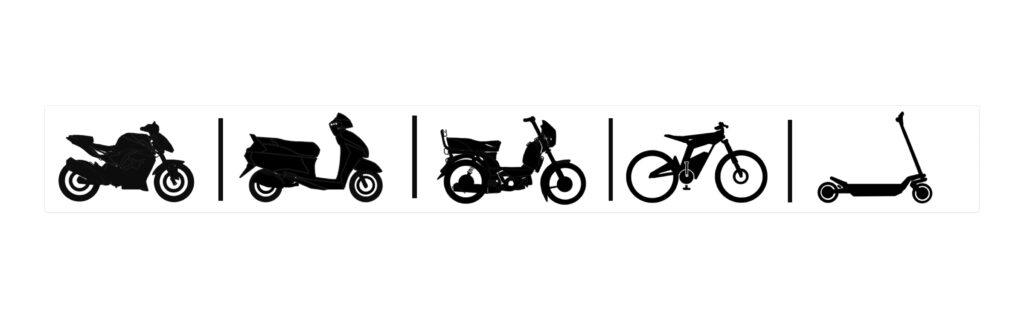
A motorcycle or scooter’s category is not defined by one parameter such as engine size alone. It emerges from the interaction of:

1. Intended use:
2. Riding environment:
3. Performance capability:
4. Ergonomics and rider posture:
5. Regulatory limits:
6. Cost and accessibility:

Because mobility needs, technology, and regulations evolve, two-wheeler categories are not fixed. New segments appear over time, older ones adapt, and many modern vehicles combine characteristics of multiple categories.

Why Two-Wheelers Are Classified

Image description

Two-wheelers are classified to explain how different vehicles are designed and used. Classification helps users, manufacturers, and regulators understand the link between design choices, performance, and intended riding conditions.

These categories clarify why some two-wheelers suit city travel, others perform better on highways, and why certain models are beginner-friendly while others require advanced skill. Rather than simple labels, classifications describe design priorities and functional trade-offs.

Most two-wheeler categories can be understood through a few shared factors that shape their design and use. These include typical travel distance, terrain conditions, required speed range, and load capacity.

Skill requirements, along with regulatory and cost constraints, further influence how accessible a vehicle is to different users. Each category represents a specific balance of these factors to meet particular mobility needs.

Image description

Key Factors That Shape Two-Wheeler Design

Because mobility needs, technology, and regulations evolve, two-wheeler categories are not fixed. New segments appear over time, older ones adapt, and many modern vehicles combine characteristics of multiple categories.

Function-Based Classification of Motorized Two-Wheelers

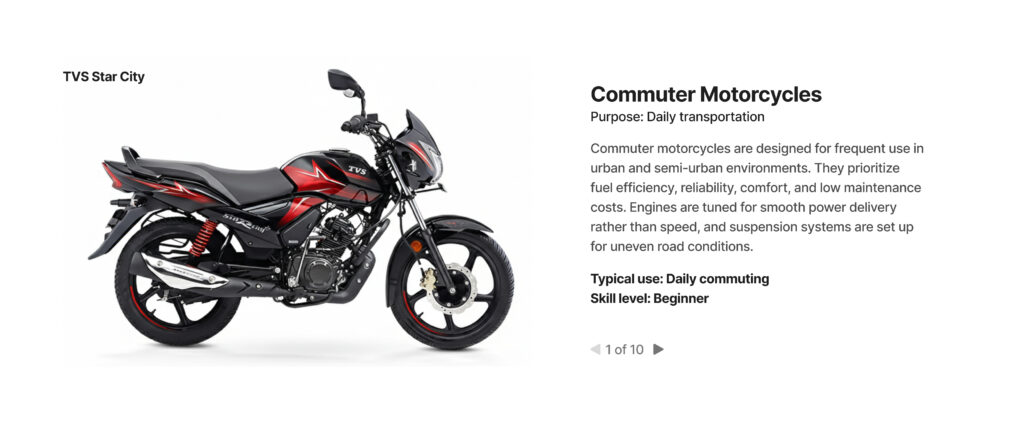
Function-based classification groups two-wheelers according to their primary purpose rather than technical specifications. Vehicles within the same engine size range may fall into different categories depending on how they are designed to be used.

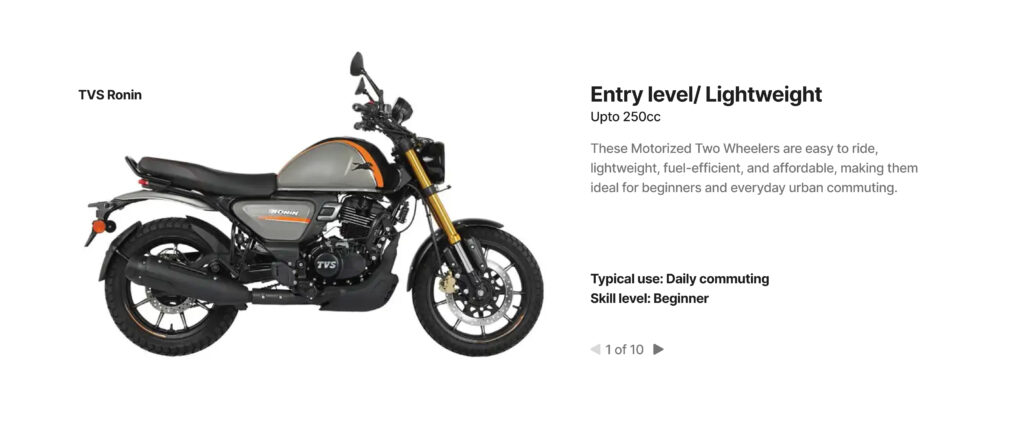
Motorcycle Based Classifications
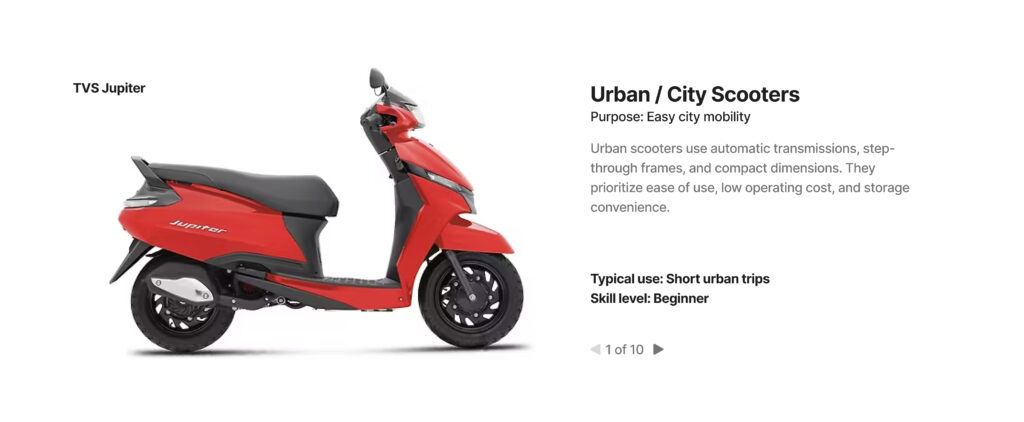
scooter Based Classifications

Power-Based Classification of Motorized Two-Wheelers

Power based classification groups vehicles according to engine capacity or output, often influenced by licensing and safety regulations.

This system helps match vehicle performance with rider experience and legal access.

Regulatory Influence on Classification

In many regions, Motorized Two Wheelers are classified by law into categories based on factors such as engine capacity, power output, and maximum speed. These legal classifications determine licensing requirements, rider eligibility, road access, and insurance norms. As a result, regulation strongly influences vehicle design intent. 

Image description
Image description

Manufacturers often develop models to fit specific regulatory limits—for example, keeping engine size or power within beginner-friendly categories—to improve accessibility and market reach. While these classifications vary by country, they play a key role in shaping the types of two-wheelers available and how they are used.

Hybrid and Crossover Categories

Modern two-wheelers increasingly combine characteristics from multiple categories. Advances in chassis design, electronics, and materials allow a single vehicle to perform multiple roles.

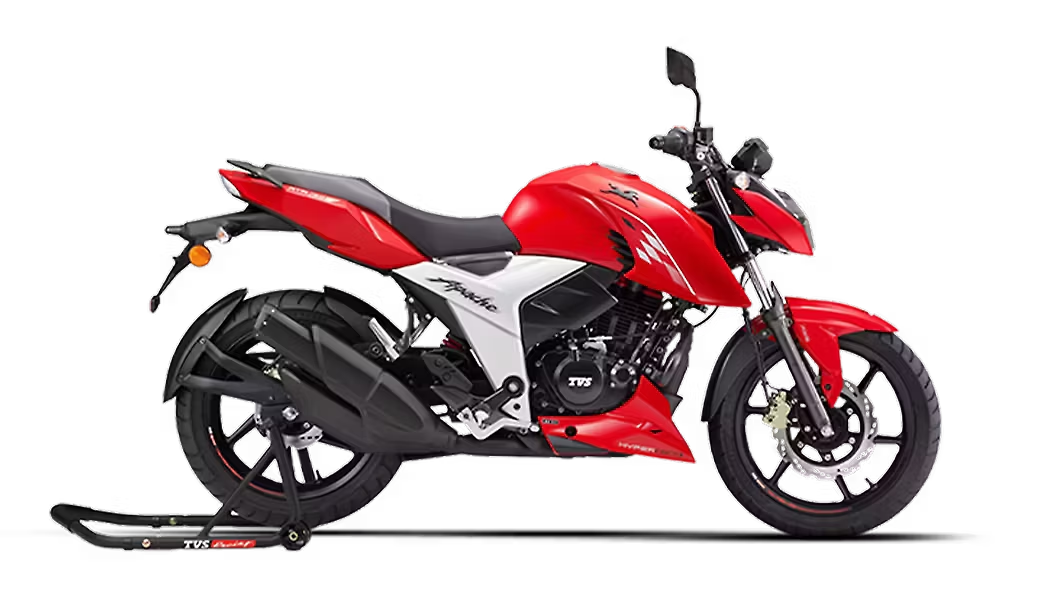
apache-rtr-160-4v-right-side-view-9
TVS Apache RTR 160
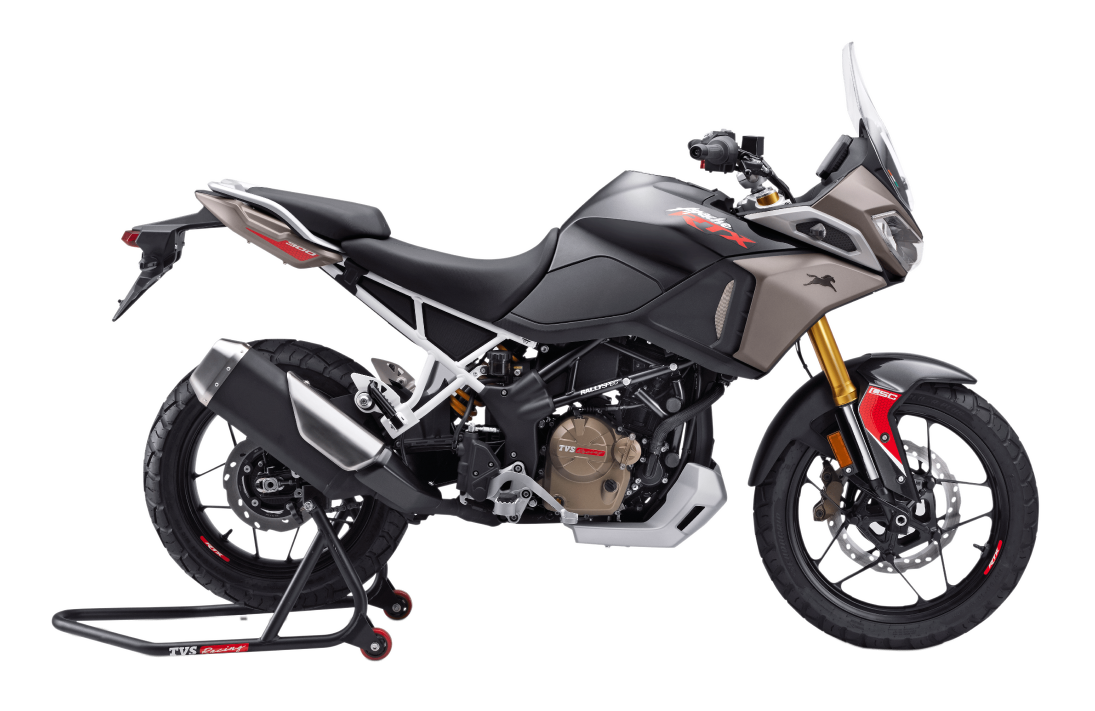
TVS Apache RTX Website Adapts_Desktop-1095x711 3
TVS RTX 300
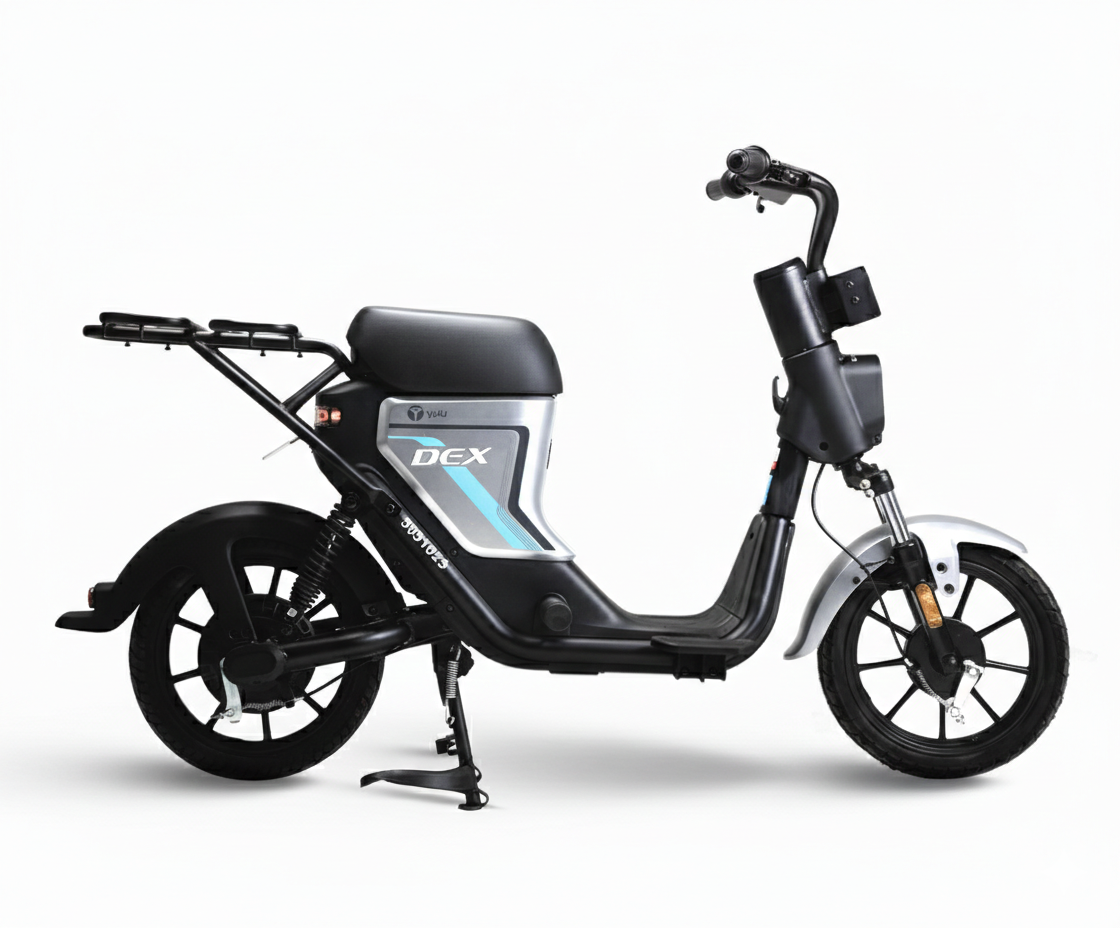
Gemini_Generated_Image_3vewmn3vewmn3vew
Yulu Last Mile Delivery
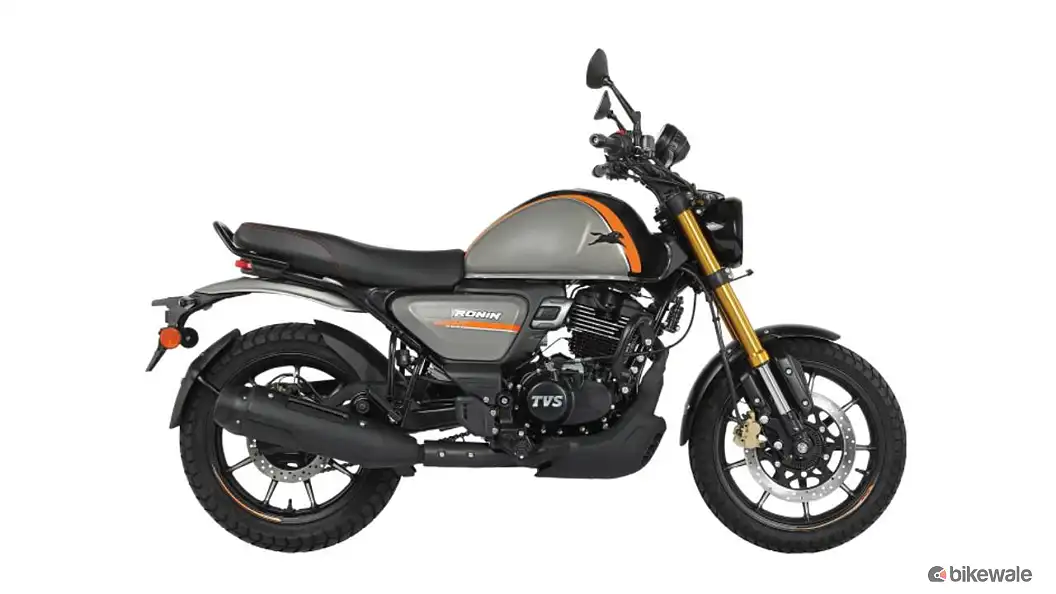
ronin-right-side-view
TVS Ronin

Motorized Two Wheeler classification serves as a flexible framework for understanding how different vehicles are designed and used, rather than as a rigid labeling system. Categories describe how two wheelers balance factors such as comfort, performance, durability, and accessibility. For beginners, this understanding helps in choosing a suitable vehicle and explains why different two wheelers feel and behave differently. As technology and mobility needs evolve, classifications continue to adapt. Ultimately, categories reflect design priorities under real-world constraints, and the most suitable two-wheeler is determined by how well its design intent matches actual use.

Previous Suspension Systems
Next Vehicle Stance and Uses
Two Wheeler Classsifiction
Scroll to top