A Definitive Guide to Motorised Two Wheelers

Cultural and Economic Conditions for Evolution of Global Two Wheeler Brands

A A

Overview

Lorem ipsum dolor sit amet consectetur. Tortor feugiat scelerisque mauris odio.

Sed velit sit maecenas nibh eget in morbi eget volutpat.
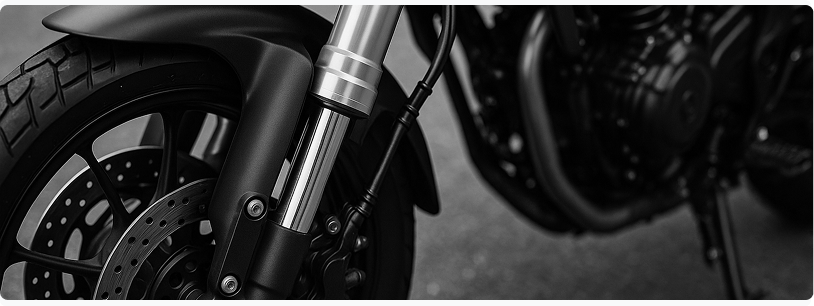
Suspension in motorised two wheelers is a fundamental subsystem responsible for managing the dynamic interaction between the vehicle and the riding surface.

How Two Wheelers Emerge

Rectangle 7602
Image description
Rectangle 7602
Image description

Two wheelers arise when affordable mobility is needed before comfort. They emerge where cities grow faster than infrastructure, public transport is limited, and people require personal access to work, education, and opportunity, starting as practical tools.

Rectangle 7602
Image description
Rectangle 7602
Image description

India illustrates this clearly. As incomes rose and cars stayed expensive, two wheelers became the first step to independence for the middle class. Scooters especially expanded mobility for women, older riders, and first-time users, reshaping daily life.

Rectangle 7602
Image description
Rectangle 7602
Image description

In Southeast Asia, dense cities made two wheelers central across income groups. In many parts of Africa, motorcycles became livelihood assets. In contrast, in the United States, where cars arrived early, two wheelers became mainly recreational and cultural.

Early Origins of Motorcycling

The early motorcycle industry developed mainly from practical needs rather than long-term vision. Many companies entered motorcycling because it suited their existing skills and available technology.

Image description

In Britain and Europe, bicycle and engine makers developed motorcycles for personal mobility, with brands like Triumph and Norton growing through everyday and military use. In Germany and Japan, wartime limits and shortages pushed companies to build simple, practical motorcycles.

Image description

In Italy, brands like Ducati emerged from a strong culture of mechanical skill and engineering pride. Across regions, success depended on usefulness, reliability, and easy maintenance rather than image.
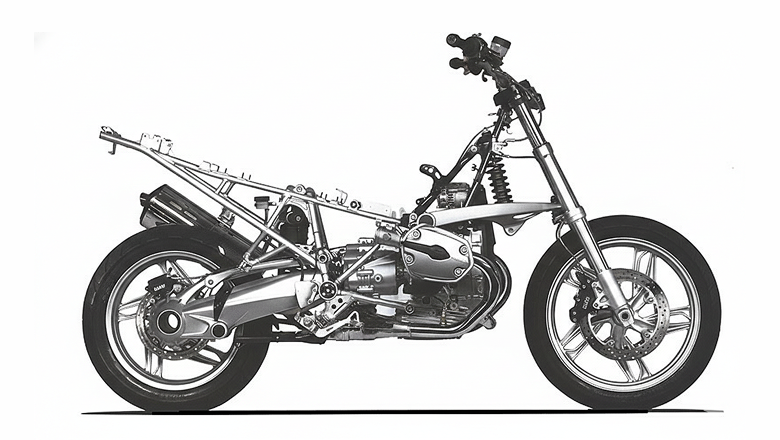
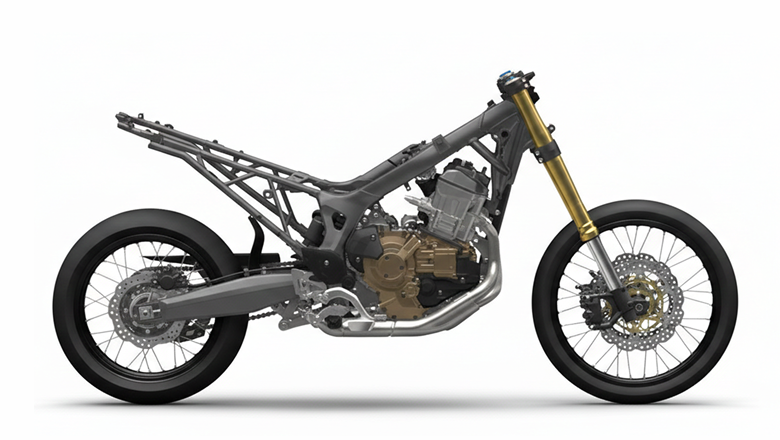
Image description

Forces That Shaped Evolution

Rectangle 7602
Image description
Rectangle 7602
Image description

As motorcycles became widespread, expectations changed. Riders began to demand more than basic mobility. Comfort, ease of use, and reliability became increasingly important as cities expanded and daily travel distances grew. Manufacturers were pushed to think beyond low price and focus on how motorcycles fit into everyday life.

Rectangle 7602
Image description
Rectangle 7602
Image description

Economic factors continued to shape development. Fuel shortages and rising fuel costs increased the value of efficiency, while congestion kept two wheelers relevant even in car-dominated regions. Culture influenced direction as well. Japanese brands emphasized steady improvement and reliability. Italian manufacturers focused on design, emotion, and racing. German companies such as BMW prioritized engineering strength and long-distance comfort. In the United States, motorcycles evolved into symbols of freedom rather than daily transport.

Rectangle 7602
Image description
Rectangle 7602
Image description

Government regulation added further pressure. In Europe, strict norms around emissions and noise forced companies to improve design early, allowing brands like BMW and Ducati to remain globally competitive. In India, rising safety and emission regulations pushed local manufacturers to invest in testing, quality control, and compliance.

Rectangle 7602
Image description
Rectangle 7602
Image description

Over time, motorcycles separated into clear functional roles. Some remained everyday tools for commuting and work. Others evolved into leisure or lifestyle products. Brands that survived were those that understood why people rode in their specific context and evolved accordingly.

Global Brand Journeys

British Foundations
Image description

Over time, motorcycles separated into clear functional roles. Some remained everyday tools for commuting and work. Others evolved into leisure or lifestyle products. Brands that survived were those that understood why people rode in their specific context and evolved accordingly.

Ducati
Image description

Ducati reflects Italian culture strongly. Design, emotion, and racing are central to its identity. Ducati did not pursue mass-market adoption. Instead, it built motorcycles with strong character for riders who valued performance and style. As global interest in premium and racing-influenced motorcycles increased, Ducati’s clear identity supported its international success.

BMW
Harley-Davidson
ADVENTURE BIKE01
Image description
Sports Touring bike
Image description

BMW’s motorcycle identity reflects German industrial values. The brand emphasizes balance, durability, and long-distance reliability. Rather than targeting all riders, BMW focused on those who valued engineering and comfort. As global interest in touring and adventure riding grew, BMW motorcycles became associated with endurance and exploration, demonstrating the effectiveness of focused positioning.

Harley-Davidson is deeply tied to American culture. In a car-dominated society, motorcycles became symbols of freedom and individuality rather than practical transport. Harley sold identity more than mobility. While this created strong loyalty in its home market, it also limited flexibility in regions where motorcycles are judged mainly on utility.

Honda
Yamaha
ADVENTURE BIKE01
Image description
Sports Touring bike
Image description

Honda grew by understanding ordinary users. Its early motorcycles were designed for first-time owners who valued trust and ease of use over excitement. When Honda entered the American market, it avoided existing motorcycle culture and presented motorcycles as friendly and accessible. This approach expanded the market and proved successful globally, particularly in regions where motorcycles represented a first vehicle.

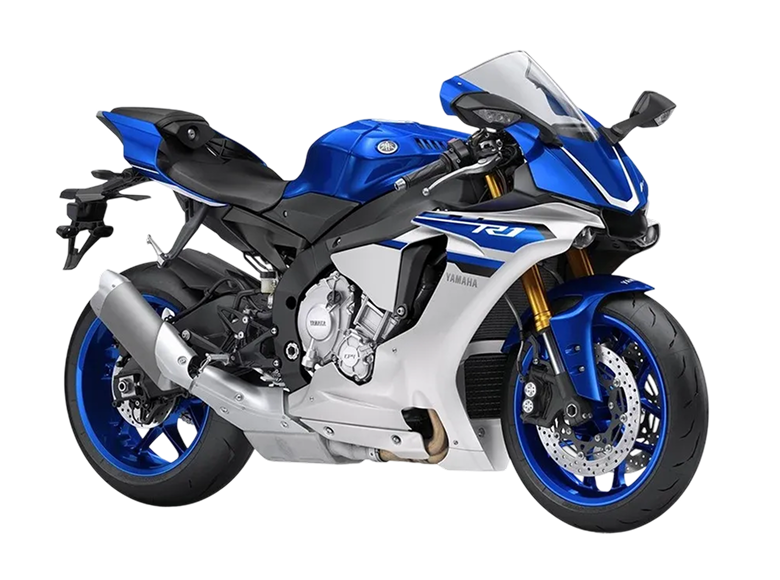
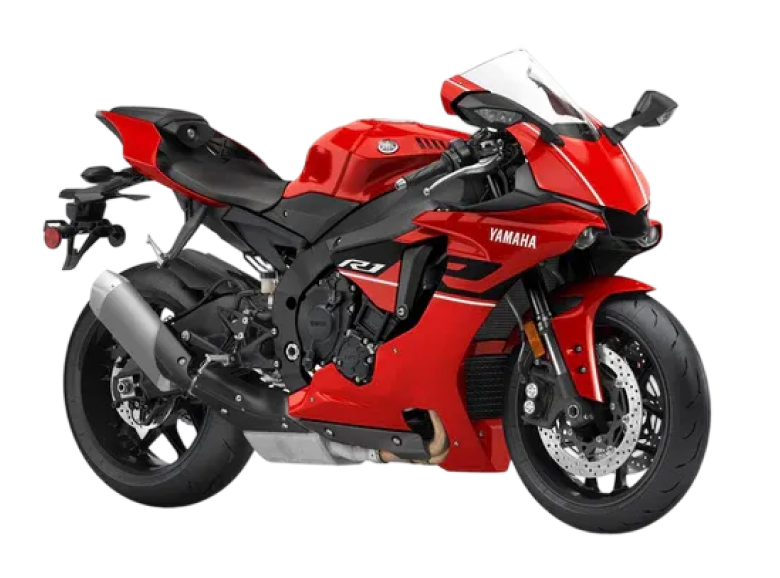
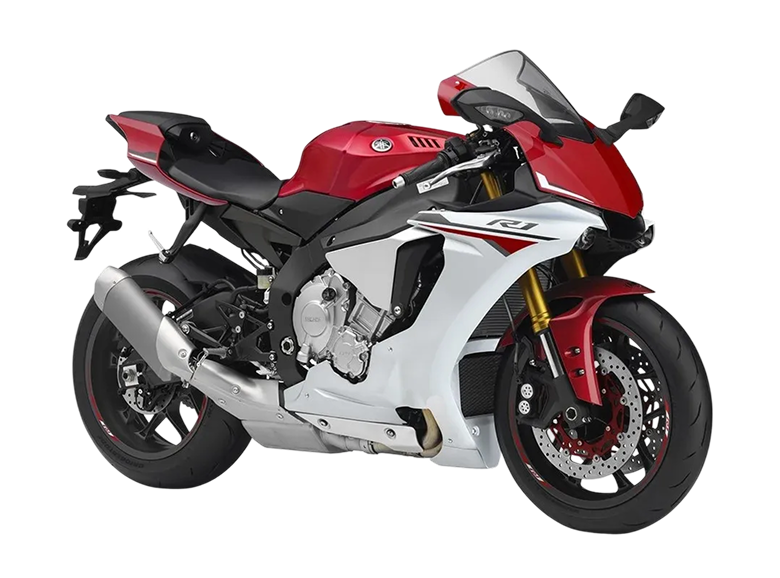
Yamaha established a broad global presence by combining reliability with performance. The company produced motorcycles for everyday commuting as well as sport and racing applications, allowing it to serve diverse markets and rider needs across regions.

Global Partnerships and Cross-Learning

Image description
Image description
Image description
Image description

As motorcycles spread globally, many brands expanded through partnerships rather than independent growth. These collaborations helped share knowledge, reduce risk, and enter new markets quickly, especially where two wheelers became essential daily transport. In India and other regions across Asia, Africa, and Latin America, global manufacturers partnered with local firms, combining engineering expertise with local market knowledge. As local capabilities grew, many partnerships ended, enabling independent growth. Over time, global expansion increased investment in design and manufacturing, producing faster and higher returns. The lasting impact was the spread of shared standards, technologies, and expectations, globalizing motorcycling through cooperation as well as competition.

The TVS Story

TVS did not begin with vehicle manufacturing but started with transport services and manufacturing of spare parts for its clients in the US. This gave the company a practical understanding of how vehicles are used under real conditions and also gain experience in vehicle design and manufacturing. When it entered motorcycle production in India, the company focused on durability, reliability, and value, reflecting the fact that customers depended on their vehicles daily.

As Indian riders became more informed, TVS invested in design, testing, and racing to improve performance without sacrificing usability. In Southeast Asia, where motorcycles are central to daily life and riders are highly aware of quality, TVS succeeded by adapting products to local riding conditions. In Africa, where motorcycles are tools for earning livelihoods, the company focused on long service life, ease of repair, and strong local support. It gathered a lot of expertise in engineering, manufacturing and precision from their partnership with Suzuki, also gained expertise on design, performance, emotion, premium market segments from their partnership with BMW. TVS expanded globally by applying lessons learned in India to markets with similar economic and cultural realities.

Where the Industry Is Headed

The two-wheeler industry is entering another period of change. Electric mobility, rising fuel costs, urban congestion, and environmental concerns are reshaping priorities. Many global manufacturers are investing in electric scooters and motorcycles for urban use, while others are strengthening their presence in premium and leisure segments.

In Asia and Africa, affordability and reliability remain critical. In Europe, regulation and sustainability strongly influence design. In the United States, culture and lifestyle continue to drive demand. Brands most likely to succeed are those that understand why people ride, not just how machines are engineered.

Two wheelers began as practical solutions to everyday problems. Their future will depend on how closely manufacturers remain connected to real life and real mobility needs.

Previous Vehicle Stance and Uses
Next New Ways of the New Start Ups;
What Are the Big Brands Up to
Emergence and Evolution of Global Two Wheeler Brands
Scroll to top