In the world of two wheeler design, the difference between a premium vehicle and a budget one often lies in the details that a customer may explicitly notice and will certainly feel over time. They might perceive or describe a scooter as "solid" or a motorcycle as "precisely built." To an automotive professional, those descriptions are the direct result of a perfectly executed part split strategy. A part split is more than just a seam where two parts meet; it is a cross functional handshake between the Design Studio, the CMFG (Color, Materials, Finishes, and Graphics) team, the engineering team and the Manufacturing department. This article explores how these disciplines converge to decide where one part ends and another begins.
INFLUENCE OF STYLE AND CMFG ON PART SPLIT
A
A
Introduction
Defining the Part Split
At its most fundamental level, a part split is the physical boundary between two separate components. In automotive engineering, we refer to this boundary as the split line. When we design a vehicle body, such as a scooter apron (front cover) or a motorcycle fuel tank, we are rarely working with a single, monolithic piece of material. Instead, we are managing a complex assembly of panels and parts.
The split line is the critical point where aesthetic vision meets the reality of assembly. A well defined split line serves several primary purposes: it facilitates the manufacturing of complex shapes that cannot be molded as one, it allows for the application of multiple colors and textures, and it enables efficient assembly and future serviceability. Understanding the split line is essential because it affects the A-class surface, which is the visible, high quality outer skin of the vehicle that the customer interacts with daily.
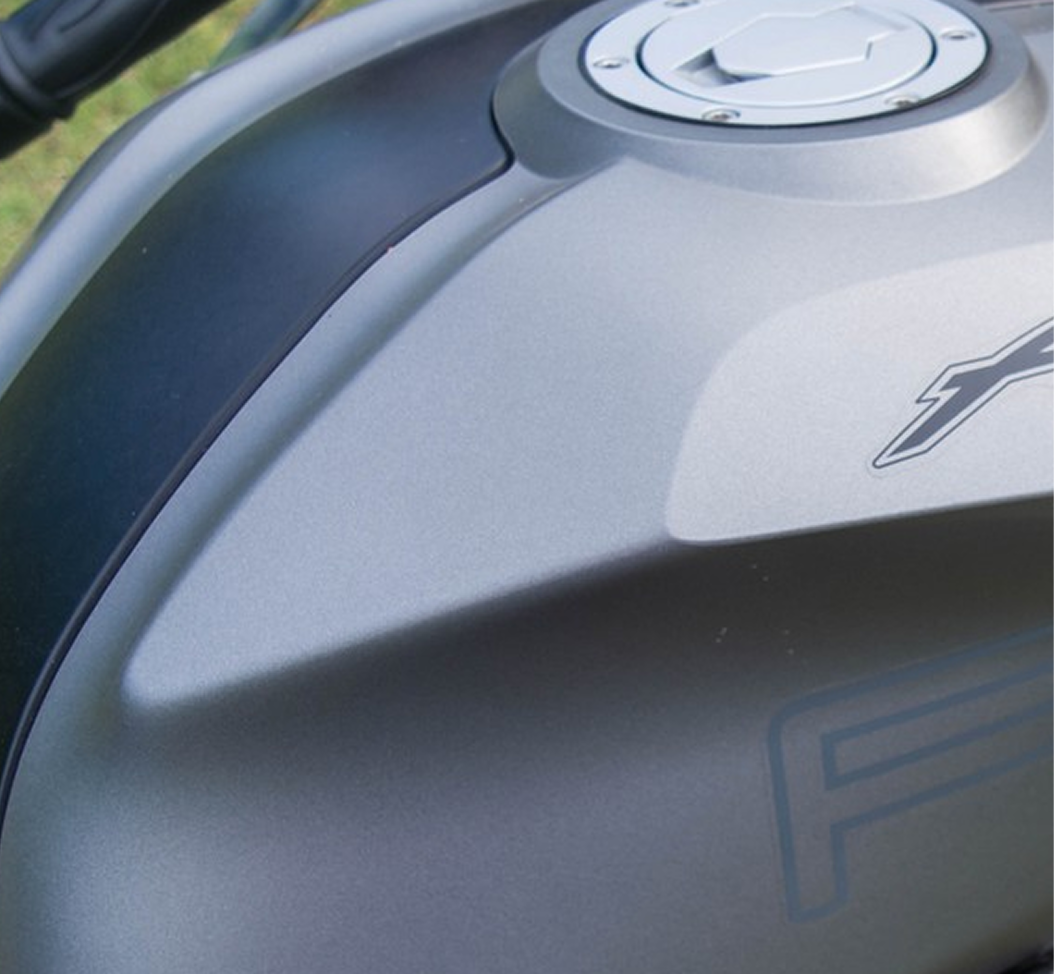
Masking Gaps with Style Lines
One of the greatest challenges in vehicle design is the gap between panels. Because of manufacturing tolerances, vibration, and thermal expansion, two parts can never fit perfectly flush with zero clearance. There must be a gap to prevent parts from rubbing or squeaking. If a gap is placed on a large, flat surface, it looks like a defect or a crack.
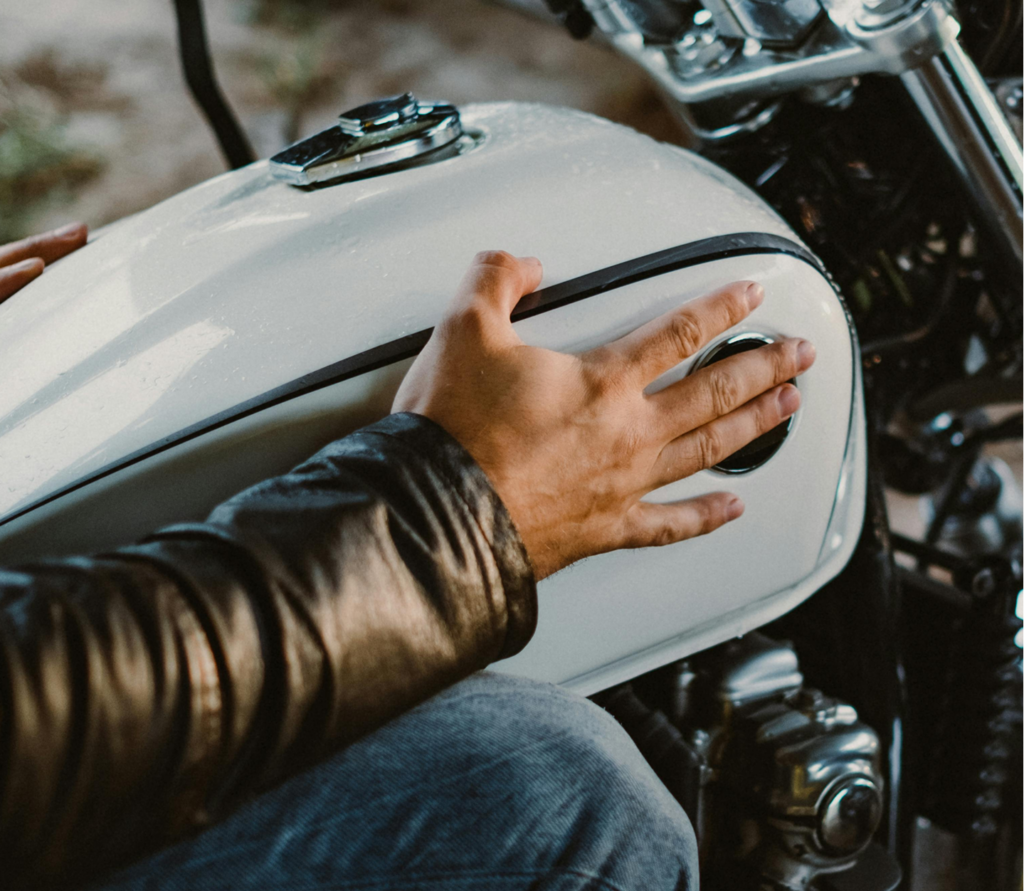
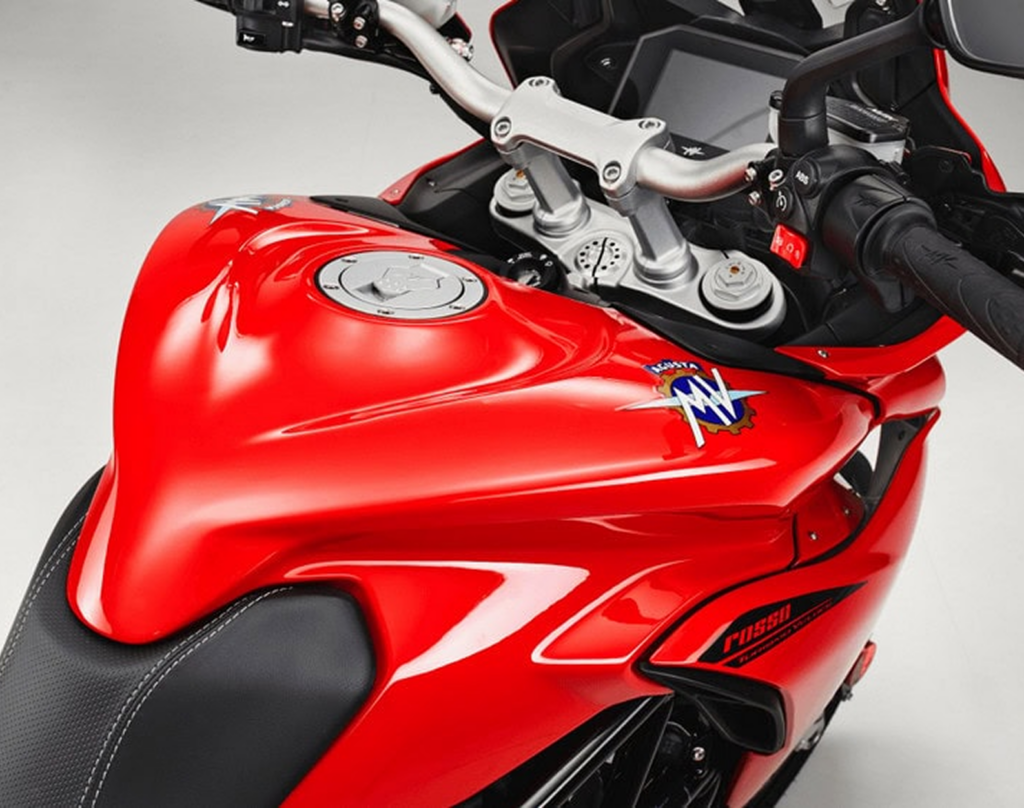
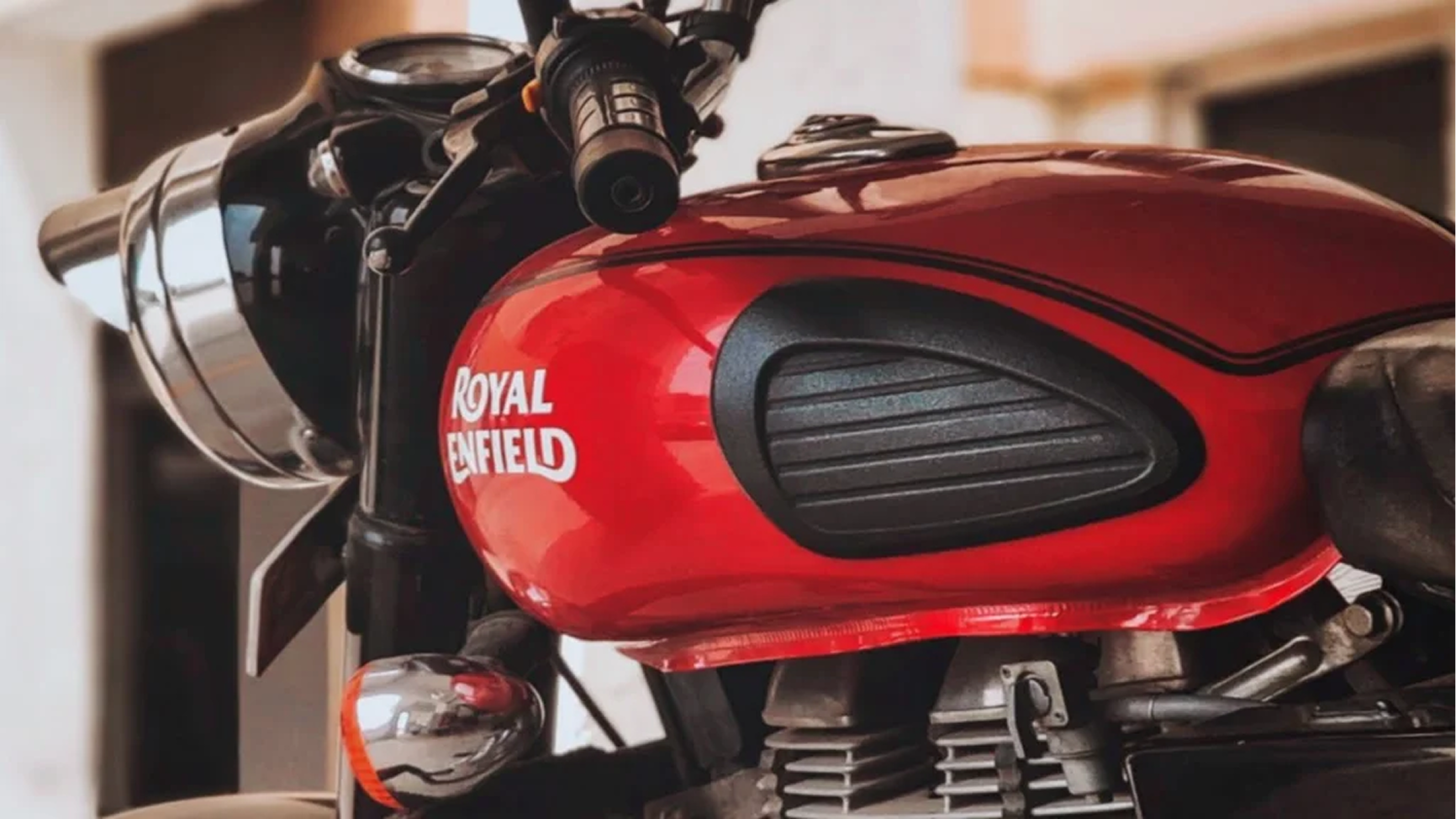
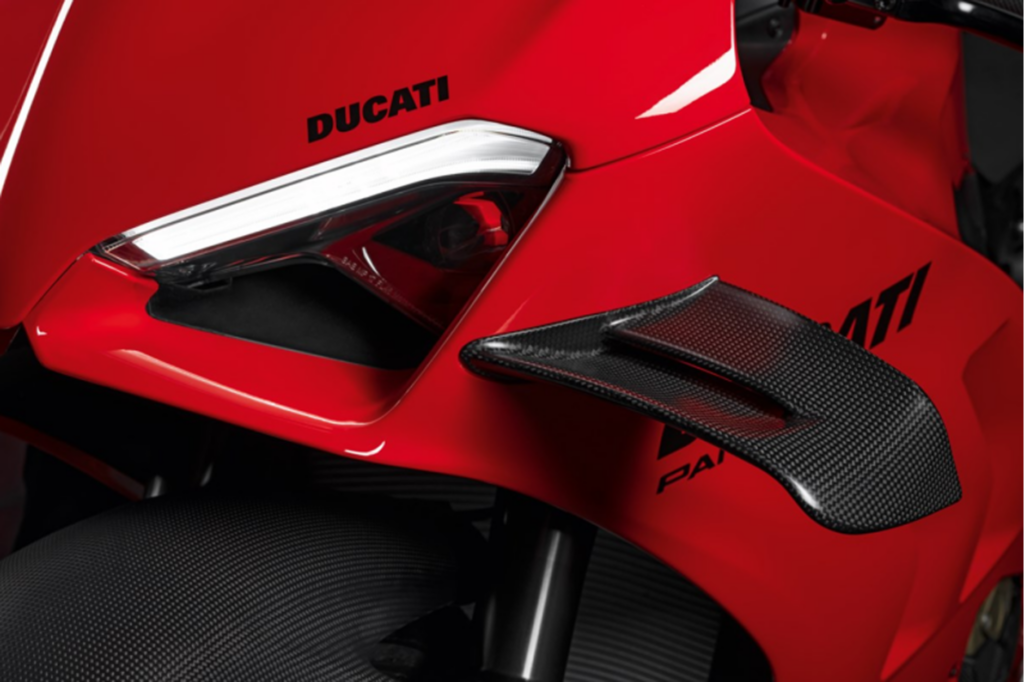
To counter this, designers and engineers use style lines, also known as feature lines. These are the sharp creases, contours, or muscular ridges in the bodywork that give a vehicle its character. By placing the physical part split exactly along a style line, the gap becomes masked or less jarring. It no longer looks like a technical necessity; it looks like a deliberate design choice that adds a perception of functionality to the panels and depth to the vehicle’s silhouette.
The split line is the critical point where aesthetic vision meets the reality of assembly. A well defined split line serves several primary purposes: it facilitates the manufacturing of complex shapes that cannot be molded as one, it allows for the application of multiple colors and textures, and it enables efficient assembly and future serviceability. Understanding the split line is essential because it affects the A-class surface, which is the visible, high quality outer skin of the vehicle that the customer interacts with daily.
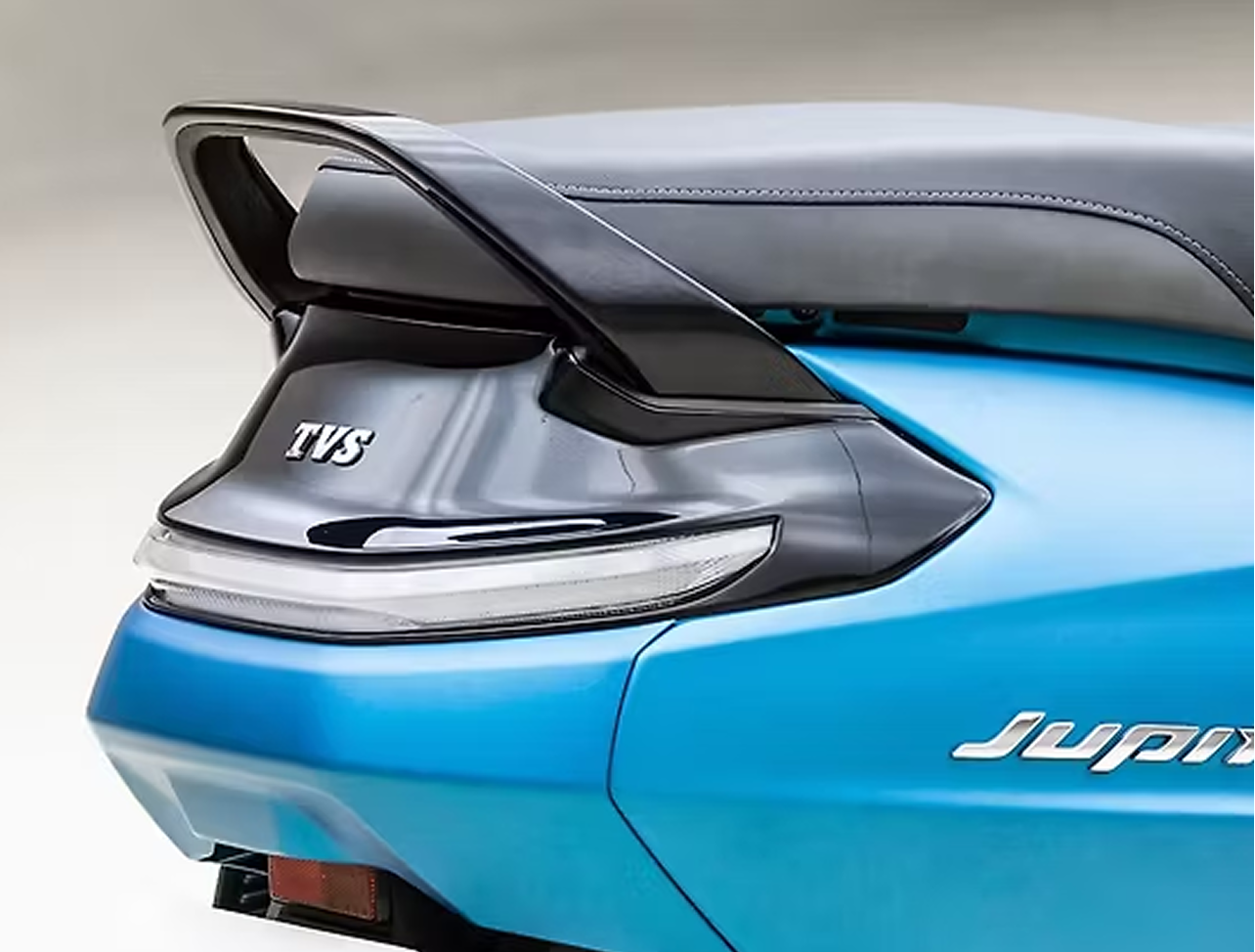
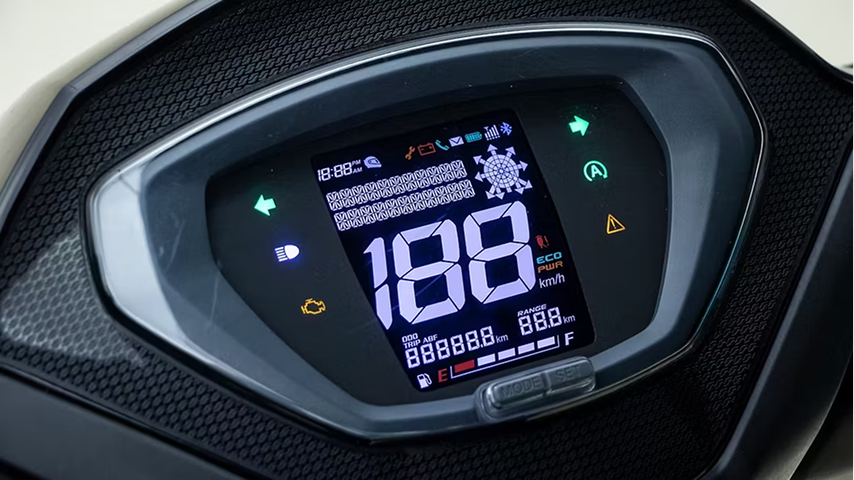
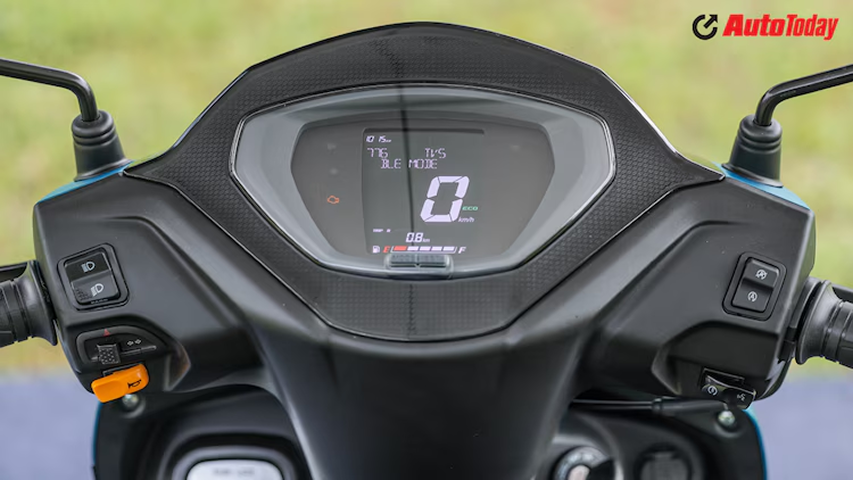
Case Study: The handlebar panels which house all the switches and the display cluster, often has several parts. Notice how the design of the panel and the display cluster are in harmony and the split of the handlebar panel is deliberate and matches the outline of the cluster.
Influence of Color Requirements
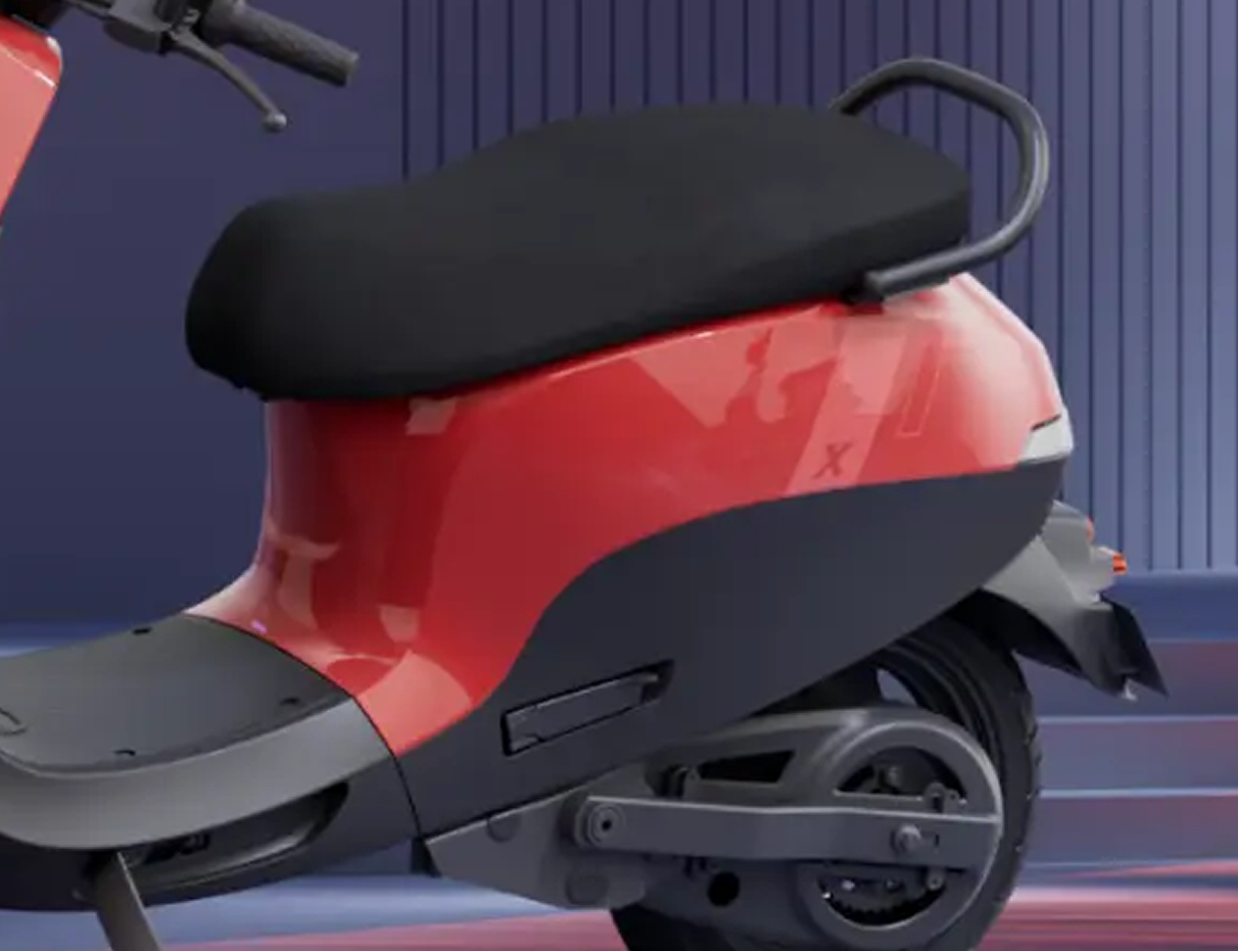
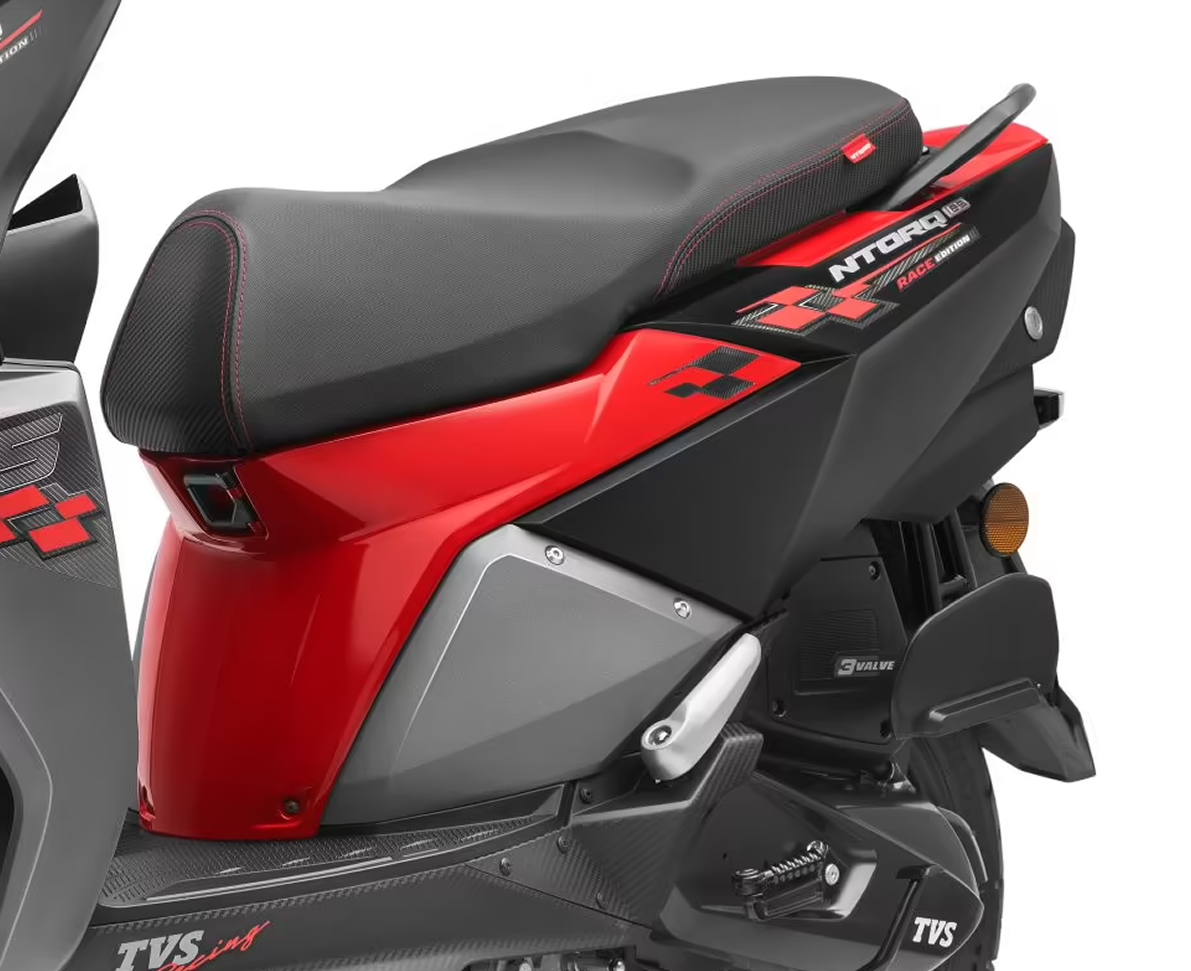
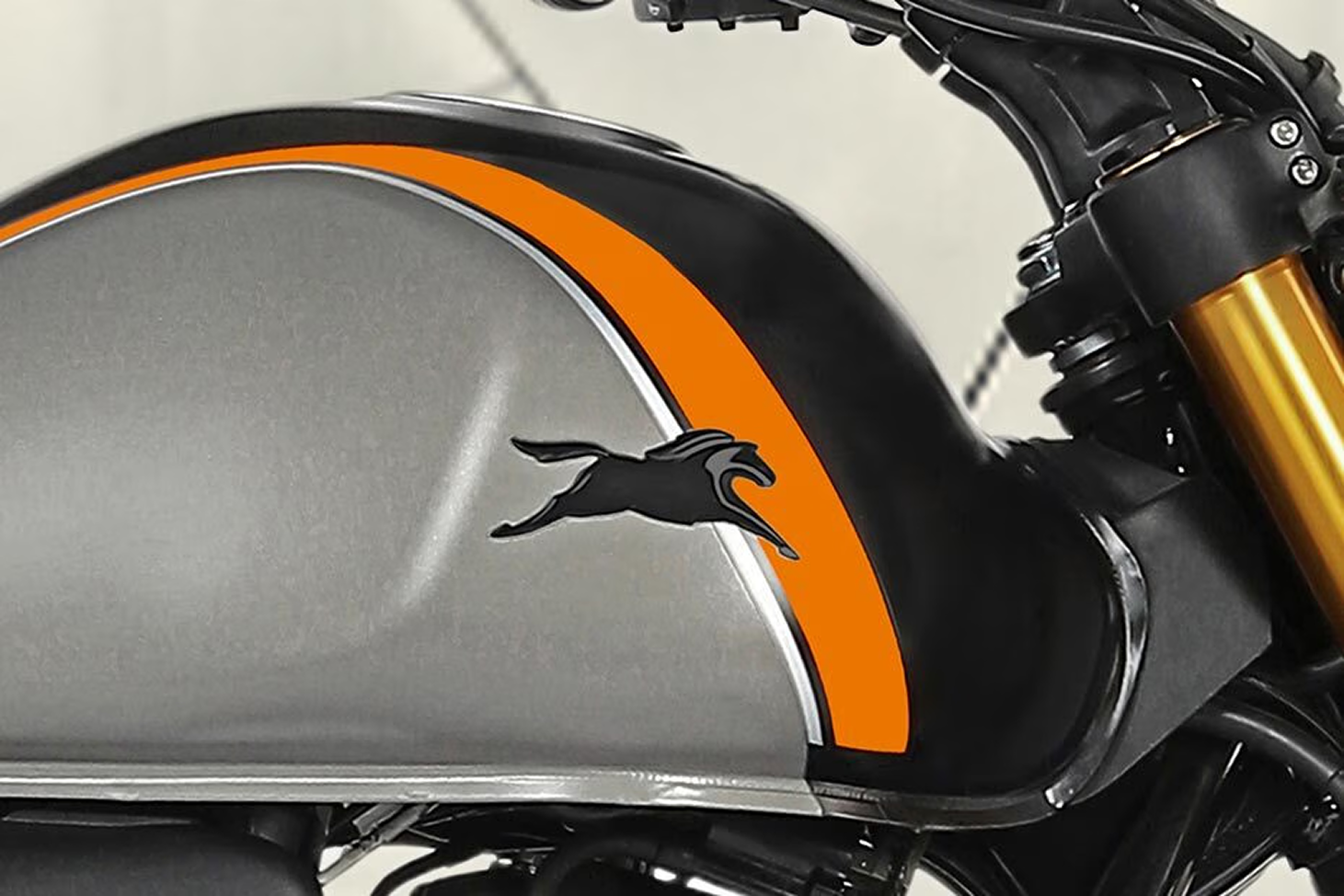
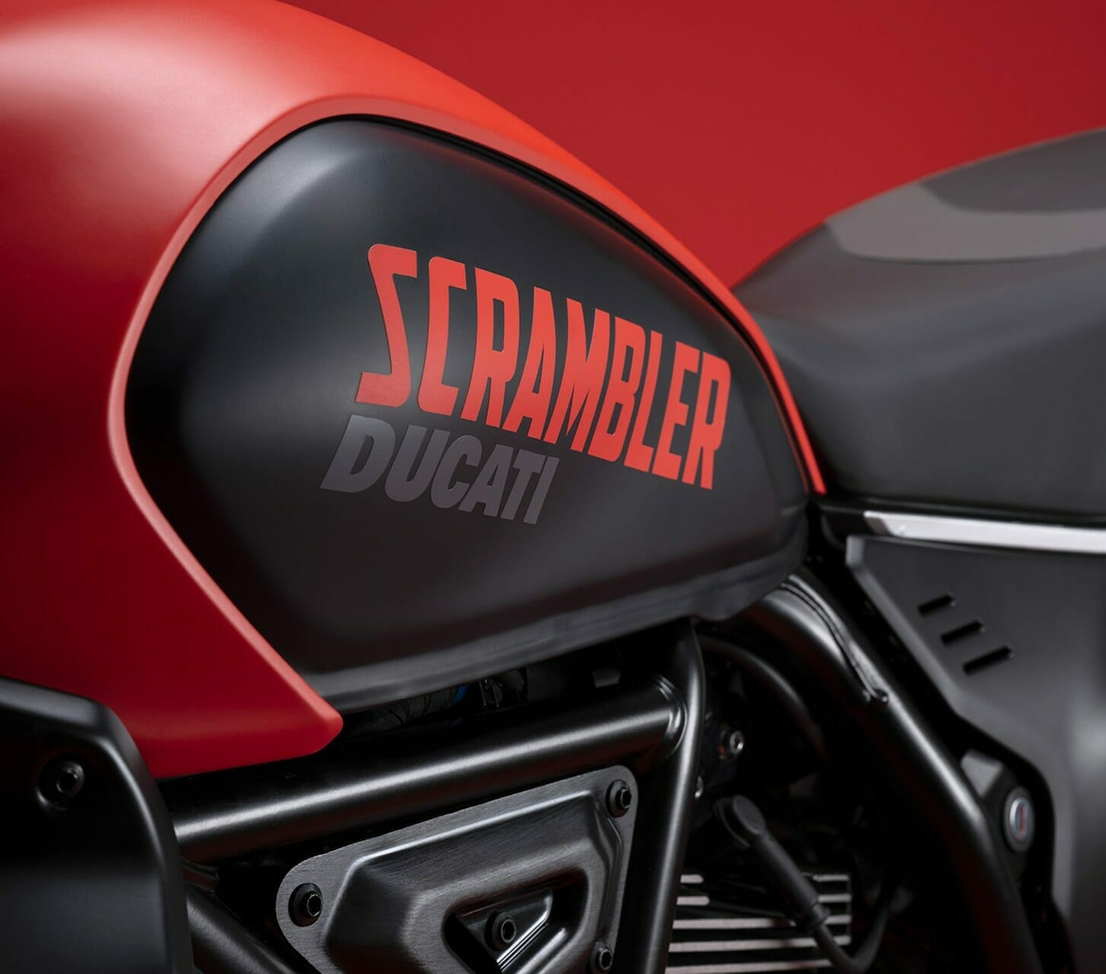
The CMFG team is often the primary driver for creating a part split. Consider a dual tone vehicle with contrasting panels. If the design calls for a Gloss Red section directly adjacent to a Matte Black section, manufacturing this as a single molded part is very challenging.
To achieve two colors on one part, workers would have to use complex manual masking, paint one color, let it dry, re-mask, and paint the second. This leads to high rejection rates due to paint bleed, increased labor costs, and a tactile step at the paint boundary that feels unrefined. By splitting the part at the color change, each component can be painted or molded in color separately in a controlled environment. When they are snapped together during assembly, the result is a razor sharp color transition that is impossible to achieve through masking. This also would open up opportunities of style facelifts and modularity in the future. Such decisions need to undergo a cost-benefit analysis as well. Though aesthetically beneficial, adding another panel adds assembly time and manufacturing costs.To counter this, designers and engineers use style lines, also known as feature lines. These are the sharp creases, contours, or muscular ridges in the bodywork that give a vehicle its character. By placing the physical part split exactly along a style line, the gap becomes masked or less jarring. It no longer looks like a technical necessity; it looks like a deliberate design choice that adds a perception of functionality to the panels and depth to the vehicle’s silhouette.
The split line is the critical point where aesthetic vision meets the reality of assembly. A well defined split line serves several primary purposes: it facilitates the manufacturing of complex shapes that cannot be molded as one, it allows for the application of multiple colors and textures, and it enables efficient assembly and future serviceability. Understanding the split line is essential because it affects the A-class surface, which is the visible, high quality outer skin of the vehicle that the customer interacts with daily.
Managing Material Transitions
Modern customers expect a variety of haptic experiences. They may want the fuel tank to feel hard and protective, but they expect the knee grips or inner fairings to be soft or grippy. This requires a transition between different polymers, such as moving from a high impact Polycarbonate/ABS blend to a soft touch Thermoplastic Elastomer (TPE). In other cases, there could be a need for a panel with high aesthetic importance (like the front apron) adjacent to which may exist a functional part we interact with everyday (like a petrol take lid). This mandates change in material (from ABS for painted, high gloss and rigid aesthetic surfaces to Polypropylene which is more flexible and cost effective).
Materials expand and contract at different rates when exposed to sunlight, heat and cold. A part split acts as an expansion joint, allowing these different materials to move independently without warping or buckling. It ensures that the transition from a hard surface to a soft one feels deliberate and high quality, maintaining the structural integrity of the assembly over years of use.
Grain Alignment and Textures
Texture is a silent communicator of quality. Whether it is a leather wrap on a premium seat side or a fine matte grain on a mudguard, the orientation of that texture is vital. If you attempted to apply two different textures to a single mold, the transition area would be blurry or washed out. The chemical etching process used to create textures in a steel mold cannot create a perfectly sharp boundary between two different grains.
A part split provides a clean stop-start point. It allows CMFG to specify a heavy grain on one part and a smooth, satin finish on the other. This prevents visual clash and ensures that the grain remains consistent across the surface of each individual part, which is particularly important for parts that curve or wrap around the vehicle frame.
Serviceability and Damage Control
This is where engineering empathy for the customer becomes a priority. A two wheeler is a high utility machine prone to minor scrapes, tip overs, or parking lot bumps. In fact, some parts of the vehicle are more prone to damage than others. For example, the floor board panel undergoes a lot more abuse than the panel around the headlamp. The design team must be aware of such considerations. If a motorcycle has a single, massive fairing that stretches from the headlamp to the engine, a minor scratch on the bottom would require the customer to replace the entire expensive assembly.
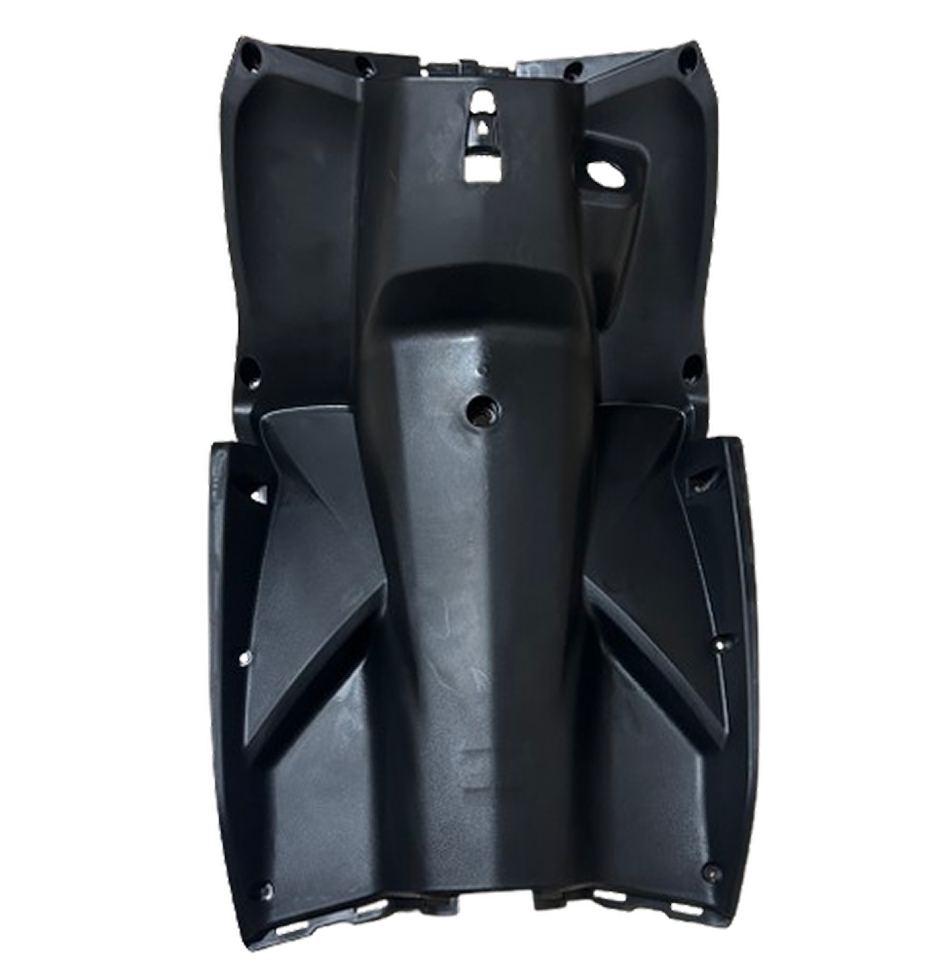
Case Study: Scooter Front Apron In modern scooter design, the front apron is often split into three pieces: a central painted shield and two unpainted lower "skirts." If a rider scrapes the side of the scooter while parking, they only need to replace the unpainted side skirt. This costs a fraction of the price of the central shield and requires no paint matching. This strategy reduces the total cost of ownership and ensures the customer doesn't have to live with a damaged vehicle due to high repair costs.
Tooling and Draft Angles
Behind every beautiful plastic part is a steel mold. For a part to be removed from a mold after injection, it must have draft angles (slight tapers along the walls of the mold). Sometimes, a design is so complex, with hooks or wraparound shapes, that it creates what is known as an undercut. An undercut is a piece of geometry that would get trapped in the mold, preventing it from opening and locks the part in.
While we can use complex mechanisms like sliders or lifters in the tool to solve this, they add significant cost and leave witness lines on the part. Often, the most elegant engineering solution is to split the part into two simpler pieces that can be pulled from the mold in opposite directions. This simplifies the tooling, reduces the risk of surface defects like drag marks, and ensures a cleaner A-class surface.
Fastening and Assembly Access
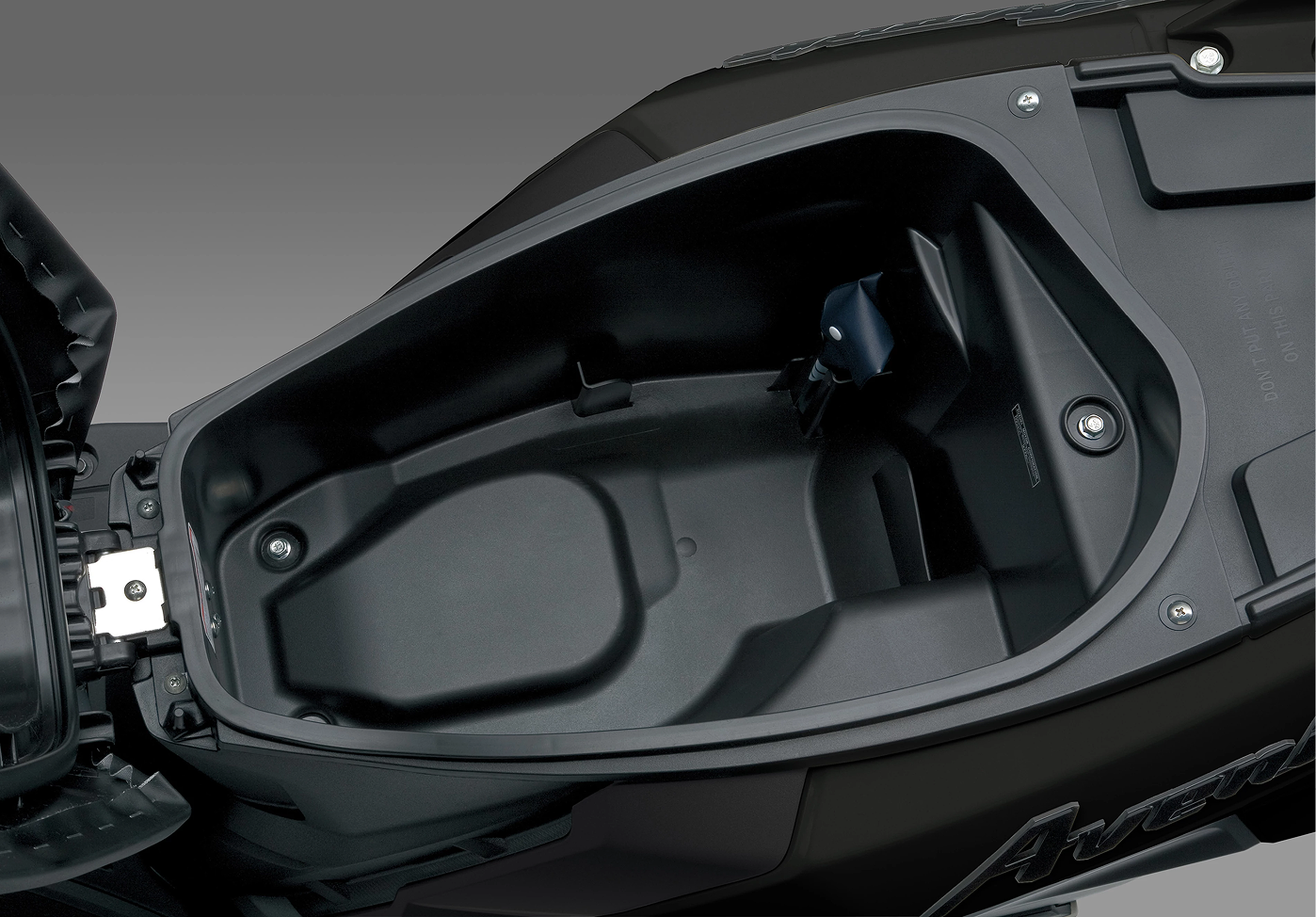
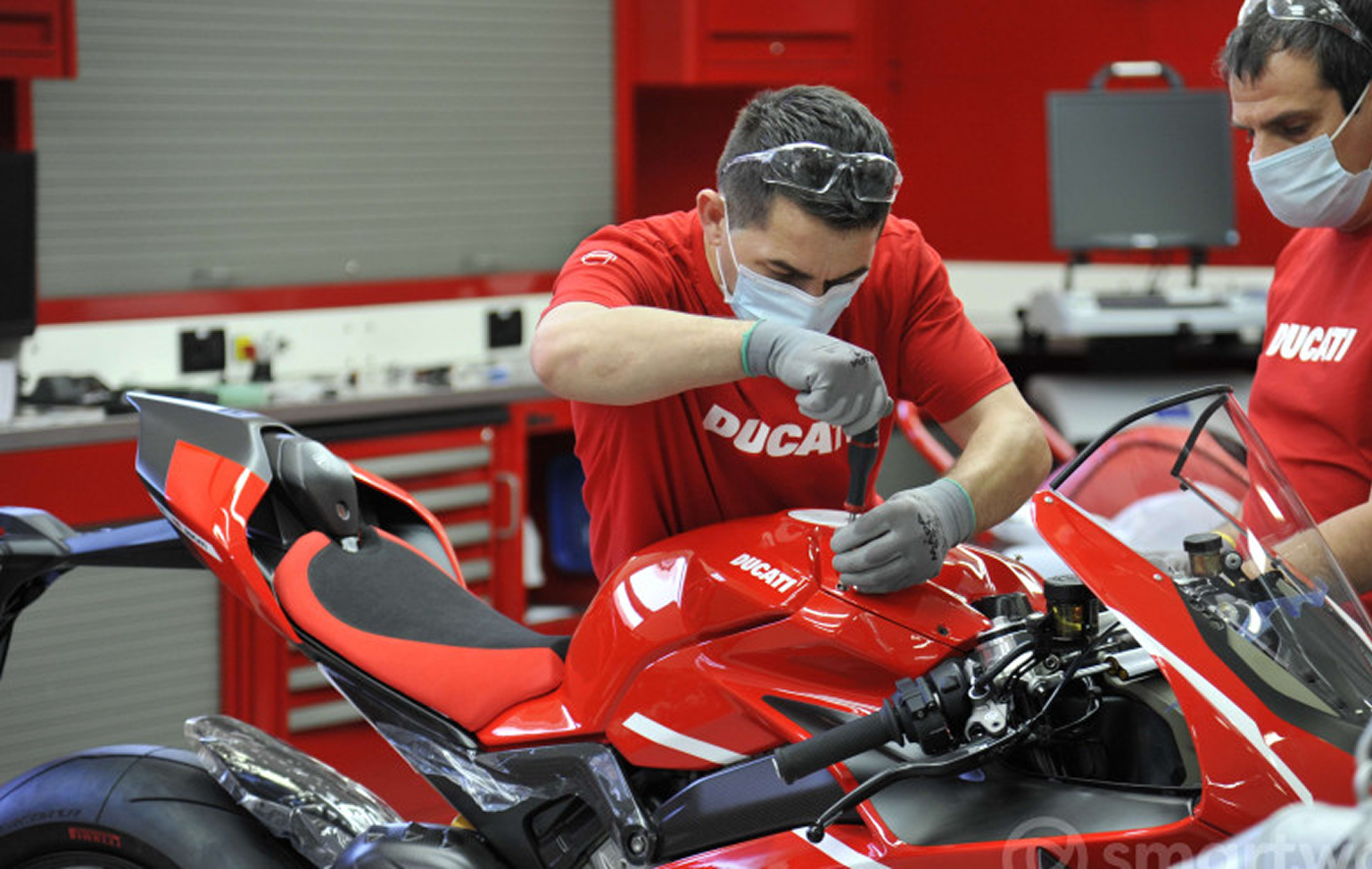
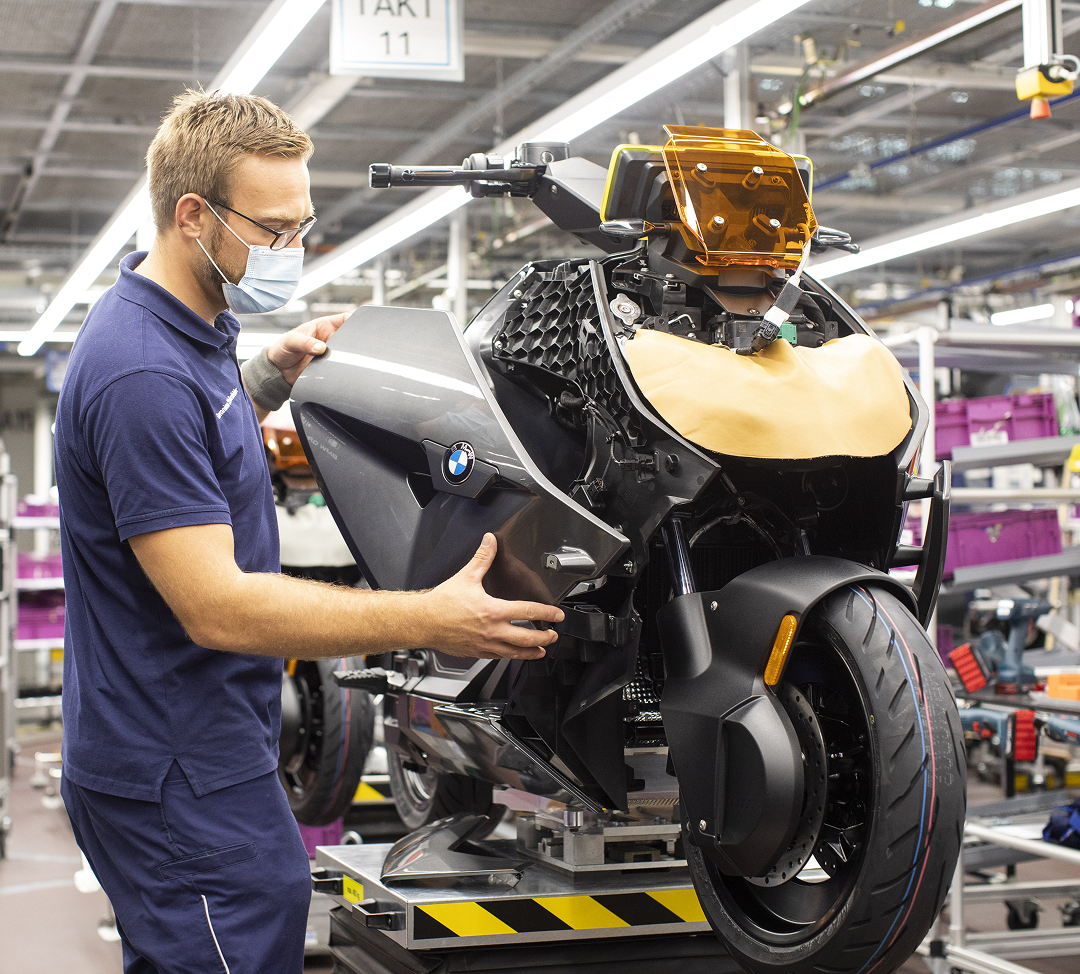
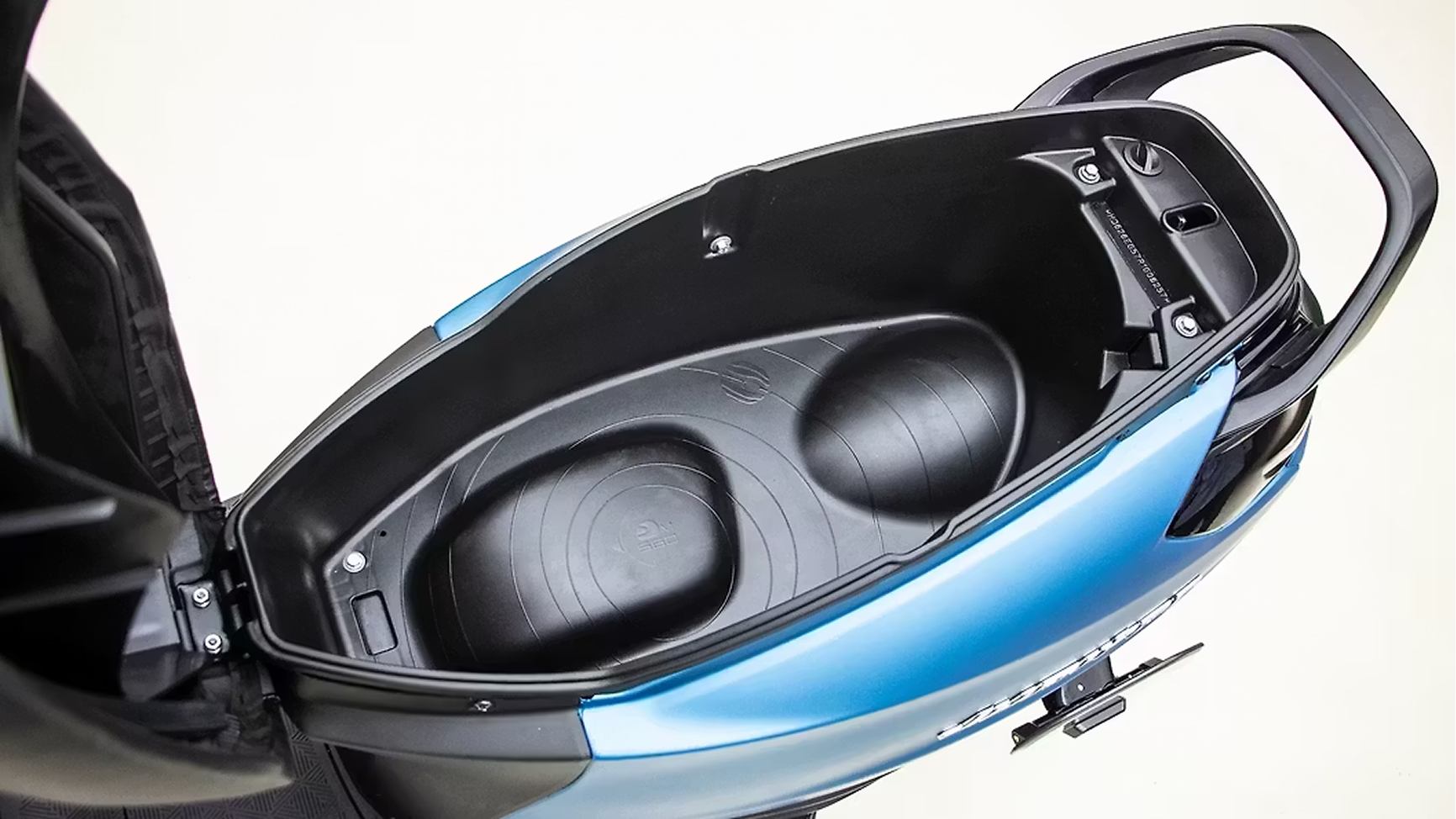
The outside of a vehicle is for the customer; the inside is for the assembly operator. Every part needs to be fastened using clips, screws, bosses, or snaps. A part split is often forced by the fastening strategy. Often, to attach one panel onto the vehicle, there needs to be space for accessing the inner regions. This makes it necessary to split the assembly of parts to assemble the whole vehicle in a sequence part by part.
Engineers must balance the desire for a seamless exterior with the need for ergonomic assembly. If a part is too large or wraps too far around the chassis, it becomes impossible for an operator on the assembly line to reach the internal mounting points. Splitting the part allows for a layering approach to assembly, where internal components are secured first, followed by the decorative outer panels.
Quality through Gap and Flush
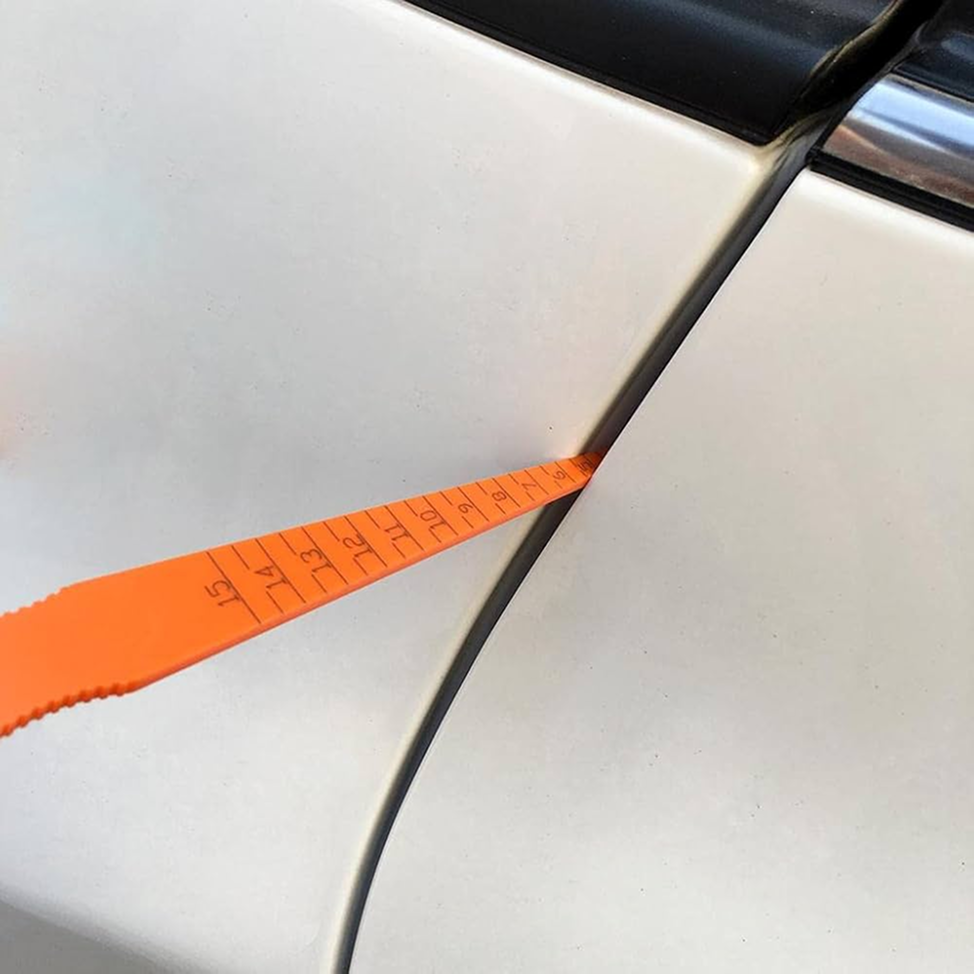
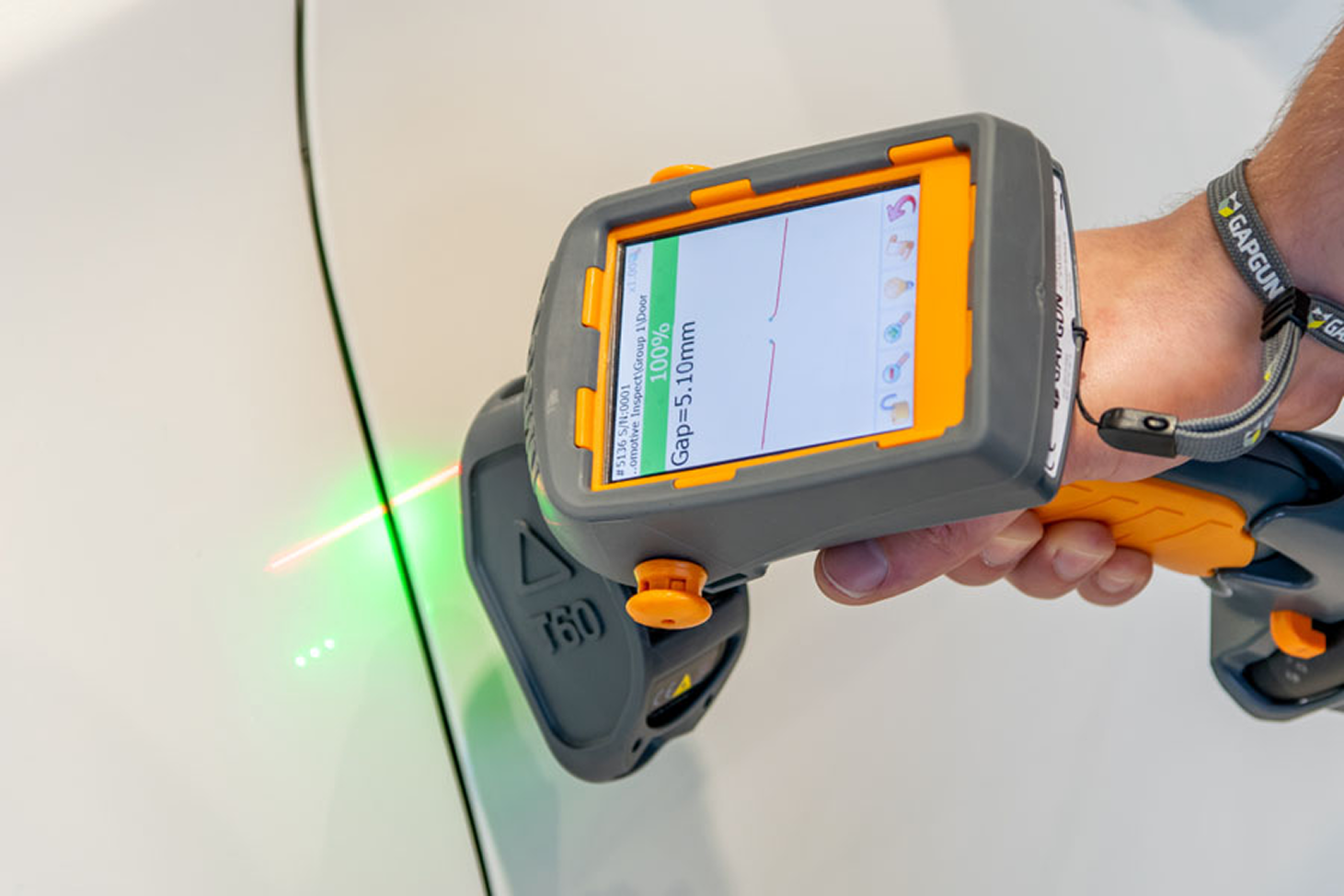
In the automotive industry, perceived quality is measured by gap and flush. Gap is the distance between two panels, and flush is the levelness of those panels relative to each other. When a part split is designed well, these tolerances are tight and consistent. These parameters often distinguish the ordinary from the premium class of products in terms of perceived quality.
If the gap between a fuel tank and a side cover varies from 1mm at the top to 3mm at the bottom, the customer perceives the vehicle as poorly made, even if the engine is perfect. A well placed part split allows for better control of these tolerances. By breaking a large, flimsy panel into two smaller, more rigid parts, we can achieve better fitment and stability, which signals precision and premium build quality to the user.
The Economic Balance
As briefly mentioned earlier, every part split comes with a price tag. More splits mean more injection molds, which increases the initial capital investment. However, as we have seen, splitting parts can lower the piece price by allowing for cheaper materials in hidden areas and reducing paint waste. This is the ultimate balancing act in automotive manufacturing.
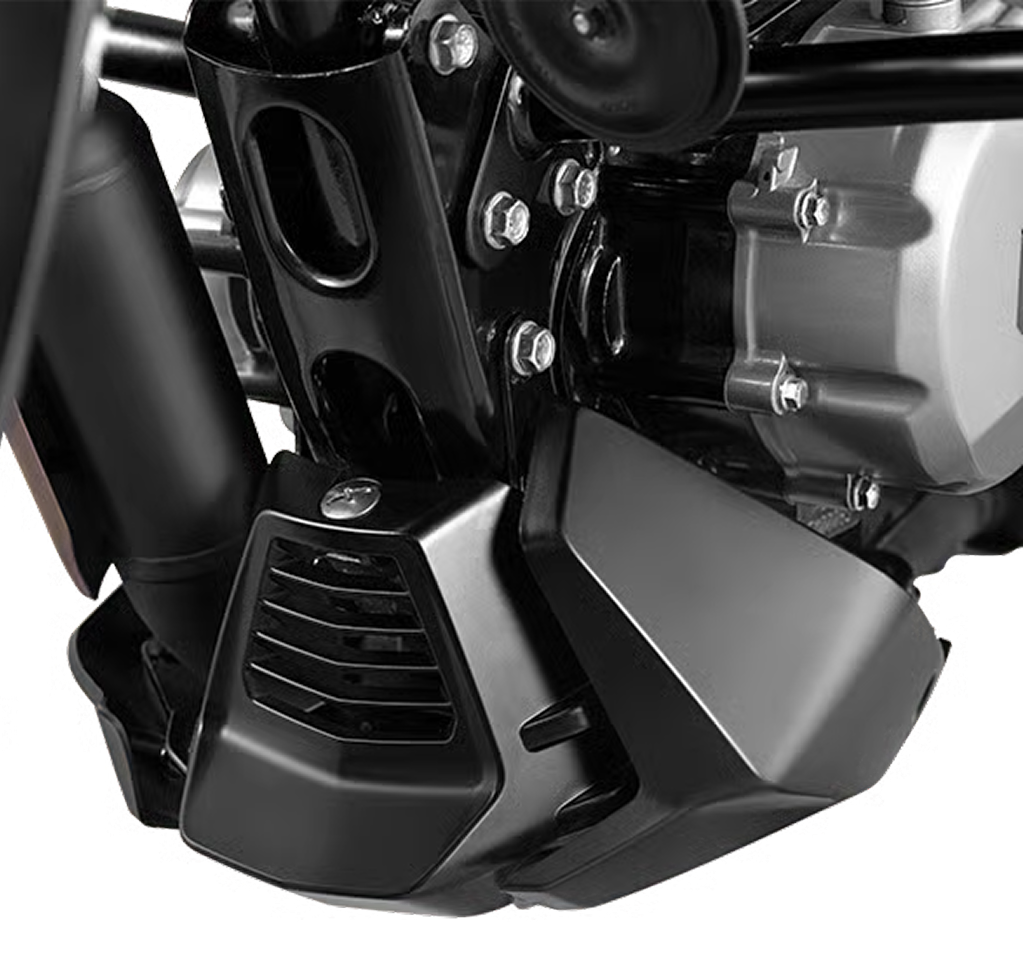
Case Study: Engine Under-Cowls For high performance bikes, the engine under-cowl (belly pan) is often split into two halves. While this requires two molds instead of one, it allows the part to be packaged much more efficiently for shipping to assembly plants. The reduction in logistics costs and the ability to use a more durable, heat-resistant material specifically for the side closest to the exhaust pipe often outweighs the cost of the extra mold.
The influence of CMFG and Style on part splits is a testament to the complexity of two wheeler design. What looks like a simple line in the plastic is actually a deeply considered boundary that affects everything from the luster of the paint to the cost of a 10,000 kilometer service. For any employee, recognizing the logic behind these splits is the first step in understanding how we deliver quality to our riders.