A Definitive Guide to Motorised Two Wheelers

Hardpoints and Ergonomics

A A

Overview

Hard points in two-wheeler design are ‘Anchors’ or fixed, critical 3D coordinate locations (X,Y,Z) on the chassis or frame that dictate geometry, ergonomics, and structural integrity. Key examples include engine mounting points, steering head bearings, suspension pivot points, and wheel centers. Since These points dictate the vehicle's physic they are "hard" because they are difficult (and expensive) to change once the frame design is finalized. 

  • Suspension Hardpoints: These are "pick-up points" where suspension arms, dampers, springs, and links connect to the chassis.
  • Structural Hardpoints: High-strength locations, such as reinforced areas in a frame for mounting the engine, which handle significant stress and loads.
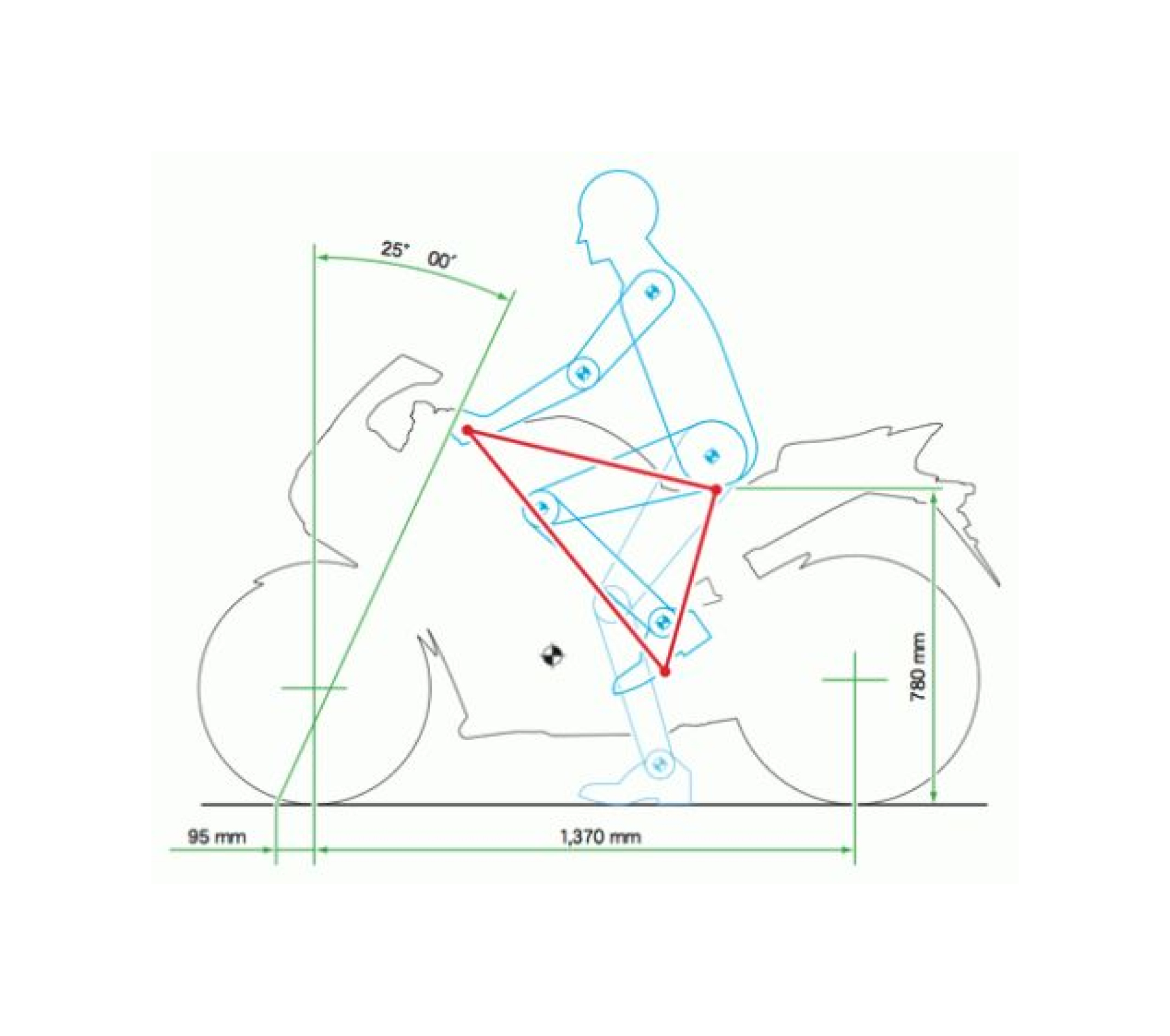
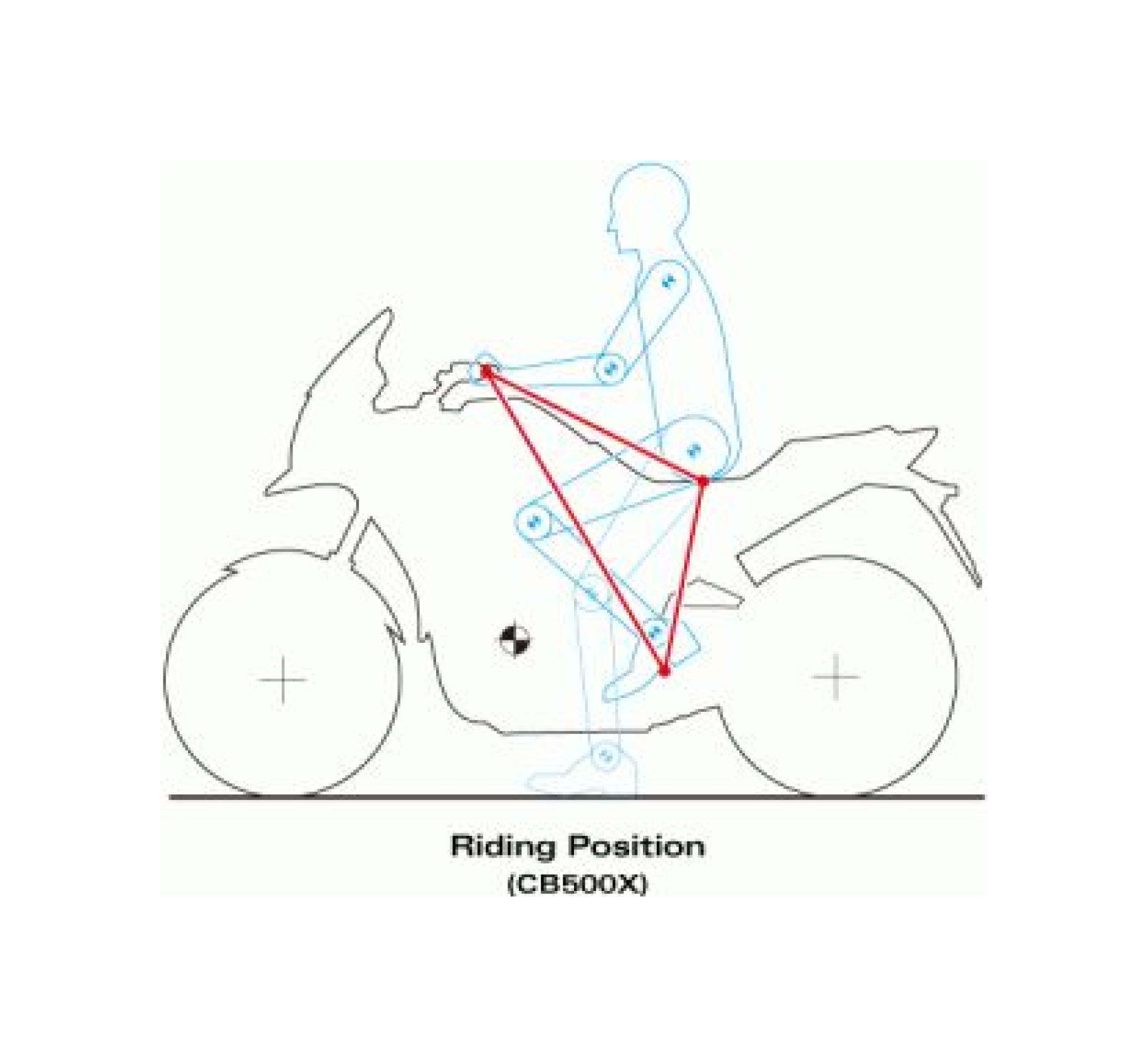
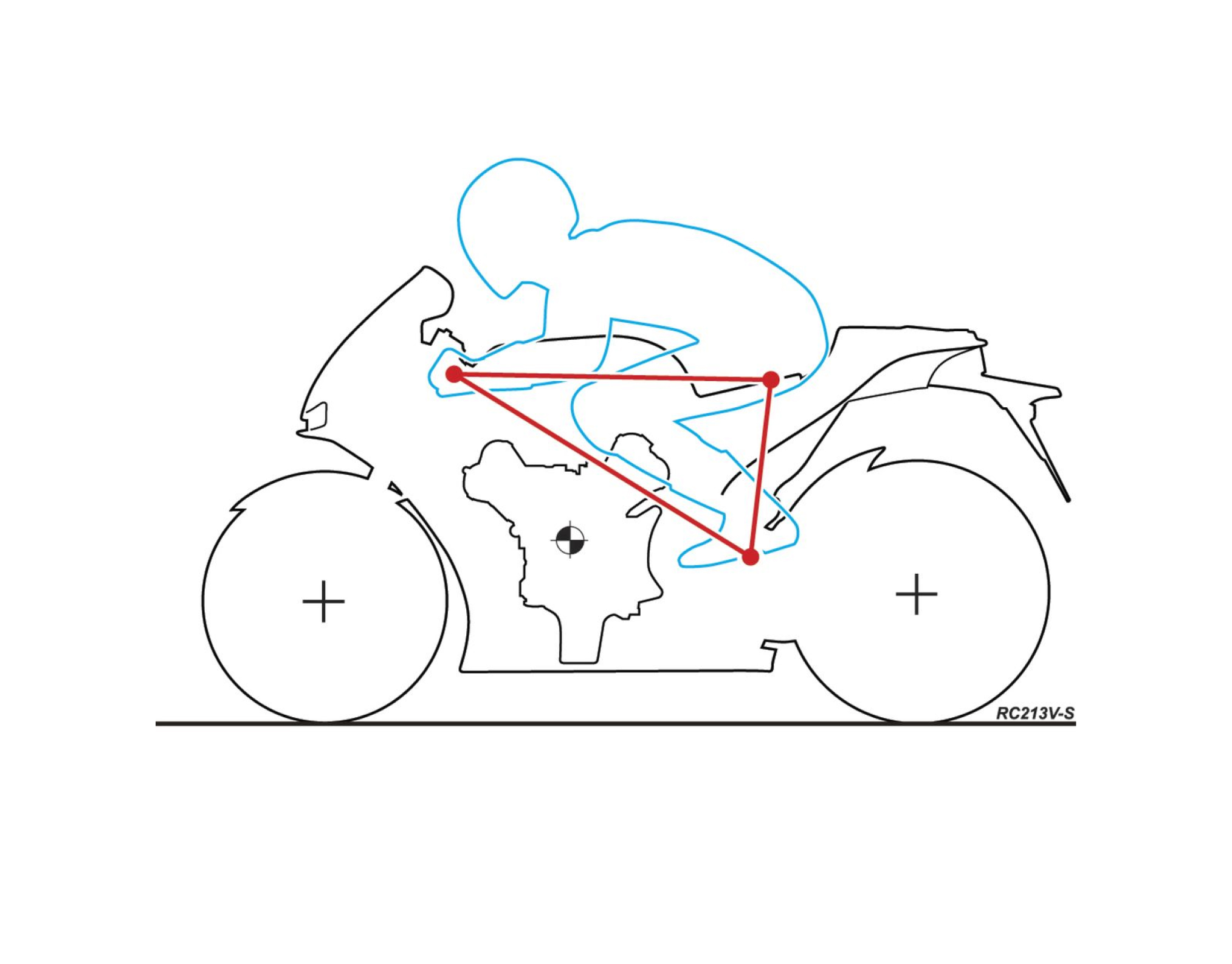
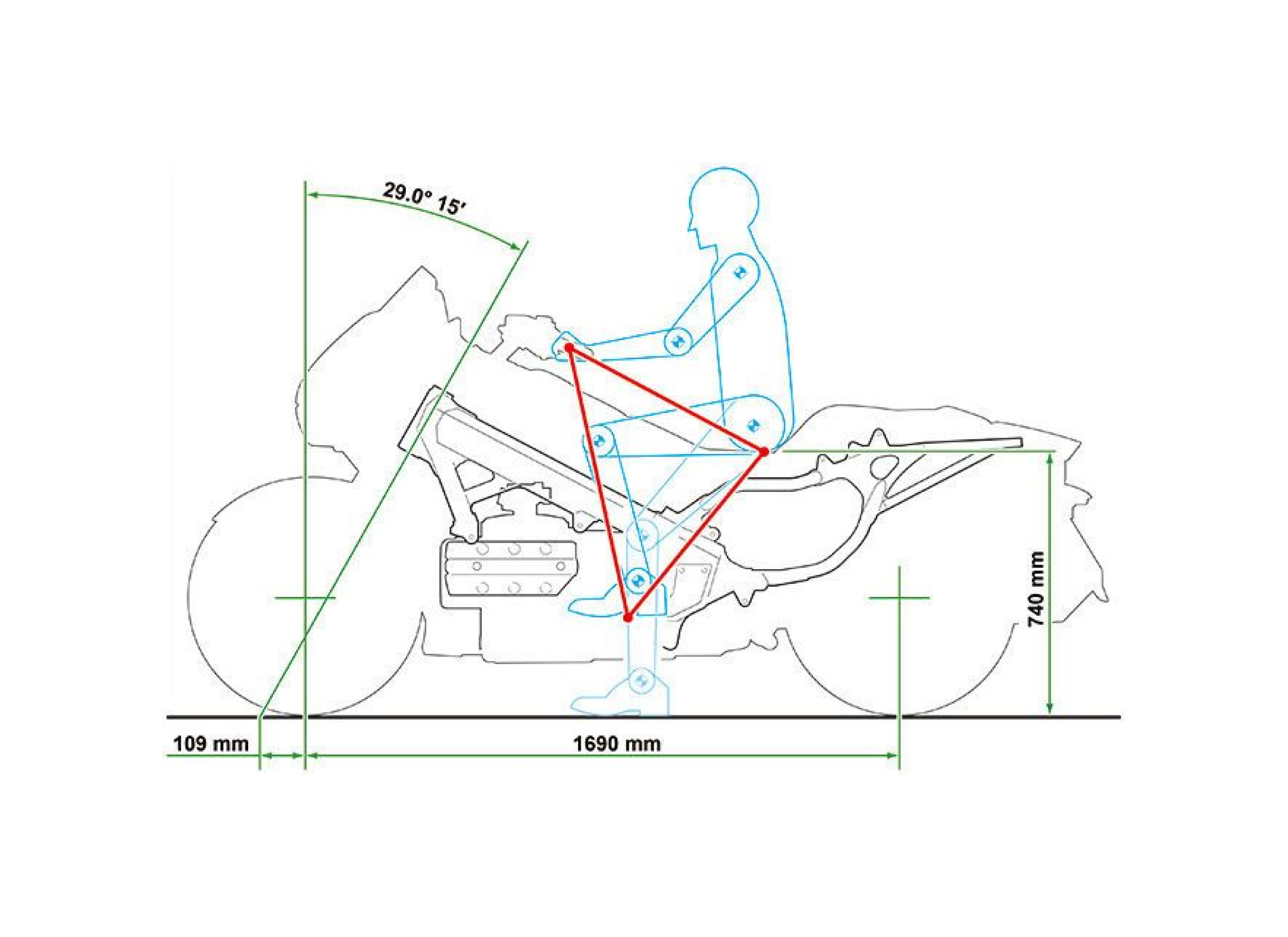
  • Ergonomic Hardpoints (H-Point or hip point): The pivot center of a rider's torso and thigh, crucial for determining seat position, handlebar reach, and footrest location.
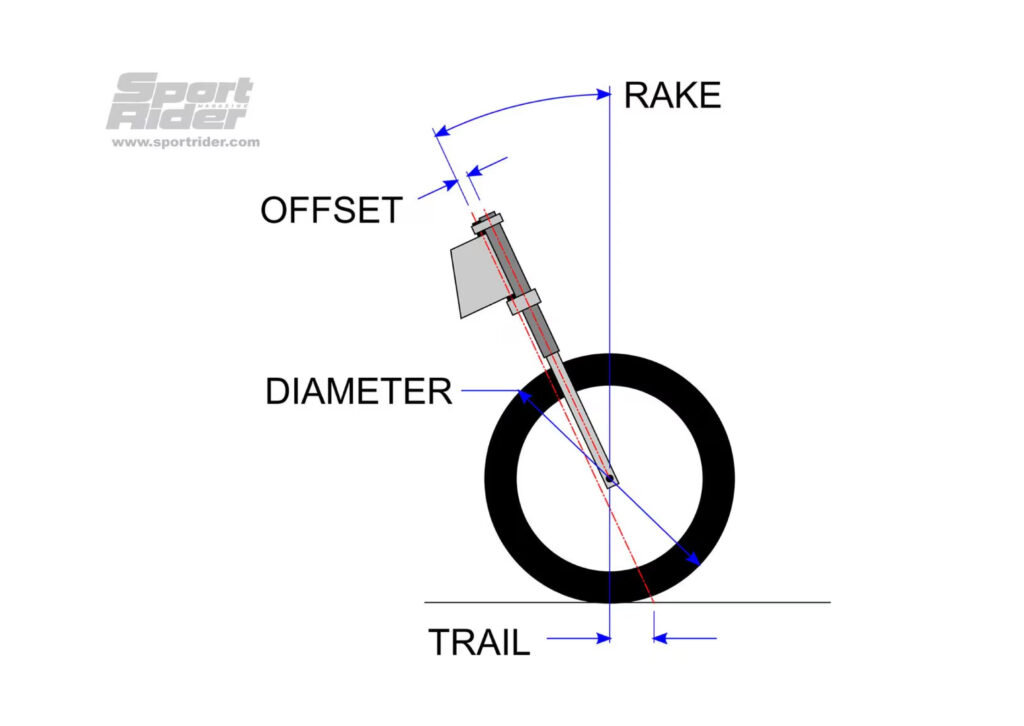
  • Geometry Hardpoints: Key reference points that define steering rake, trail, and wheelbase, directly impacting handling and stability
  • Component Mounting Points: Fixed locations for attaching essential functional components like pannier racks, engine guards, or protective grills. 

These points define the fundamental behavior, comfort, and durability of the motorcycle.

The H-point (or hip-point) is the theoretical, relative location of an occupant's hip: specifically the pivot point between the torso and upper leg portions of the body—as used in vehicle design, automotive design and vehicle regulation as well as other disciplines including chair and furniture design.

Technically, the H-point measurement uses the hip joint of a 50th percentile male occupant, viewed laterally, and is highly relevant to national and international vehicle design standards such as global technical regulations (GTR).
Historical perspective

The term "hardpoint" generally refers to a reinforced, specialized location on a structure designed to support external loads, most commonly used in military aviation to mount weapons, sensors, or fuel tanks. The concept evolved as aircraft, particularly bombers and fighters, needed to carry heavier and more varied external equipment beyond their internal capacity. 
Origins and Evolution of Hardpoints

  • Aviation Roots: The need for hardpoints arose with the development of early combat aircraft needing to carry external rockets, bombs, and fuel tanks.
  • Structural Design: Hardpoints are not just attachment spots but specifically engineered reinforcements within the wing or fuselage structure.
  • Modern Advancements: While early jets had simple attachment points, modern, heavily armed fighters like the F-15EX may feature up to 22 hardpoints, supporting advanced, high-tech weapon systems.
  • Terminology: While often referring to external pylons, the actual "hardpoint" is the reinforced, hidden structural mount to which a pylon, bomb rack, or launcher is bolted
The History of the Practice

The concept of hard points has existed as long as motorcycles have, though the terminology and precision have evolved significantly.
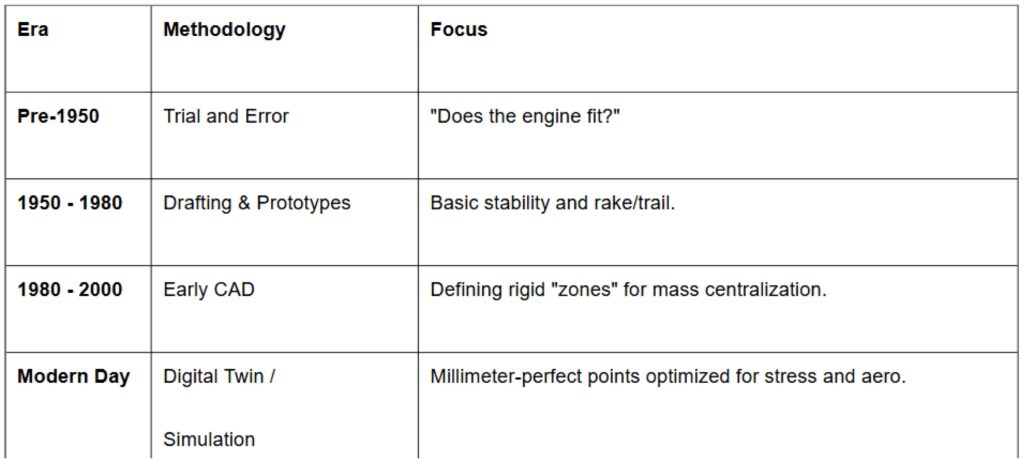
1. The Primitive Era (Late 1800s – 1920s): In the beginning, motorcycles were "engines in bicycle frames." Hard points weren't calculated; they were accidental. Builders simply placed the engine where it fit. However, as speeds increased, riders realized that moving the engine lower (changing a hard point) drastically improved handling.


2. The Standardization Era (1930s – 1960s): During this period, designers like Edward Turner (Triumph) and Joe Craig (Norton) began formalizing "the geometry."

  • The Norton Featherbed Frame (1950): This was a landmark in hard point history. It moved the engine and swingarm pivot to specific locations to reduce "weaving," setting a blueprint for the modern sportbike layout.


3. The CAD and Computer Era (1980s – Present): The term "Hard Point" became industry standard with the advent of Computer-Aided Design (CAD).

  • Before the 80s, engineers used full-scale clay models and 2D drafting.
  • With 3D modeling, engineers could now lock a coordinate in digital space. If a designer wanted to make the fuel tank wider, the software would "red flag" them if it hit a hard point like the airbox or the frame rail.
How Long Has This Been in Practice?

While the geometric principles have been practiced for over 120 years, the formal "Hard Point" methodology used today has been standard for roughly 40 to 45 years.

Modern Motorised two Wheeler Hard Points

Why It Matters Today

In modern manufacturing, "Platform Sharing" is king. A manufacturer might use the same Hard Points (engine mounts, pivot points, and frame geometry) for a Naked bike, a Sportbike, and an Adventure bike to save millions in R&D. The "skin" changes, but the hard points remain identical.

H-Point for various vehicle geometries
TVS Articles Internal (4)
TVS Articles Internal (3)
TVS Articles Internal (5)
TVS Articles Internal (6)
Steering stem
Previous Drawing, Packaging, Clay & Digital Modelling
Next Packaging: Interdependencies of Parts
Vehicle Hardpoints & Ergonomics
Scroll to top