A Definitive Guide to Motorised Two Wheelers

The Future Is Here: How Do We Respond?

A A
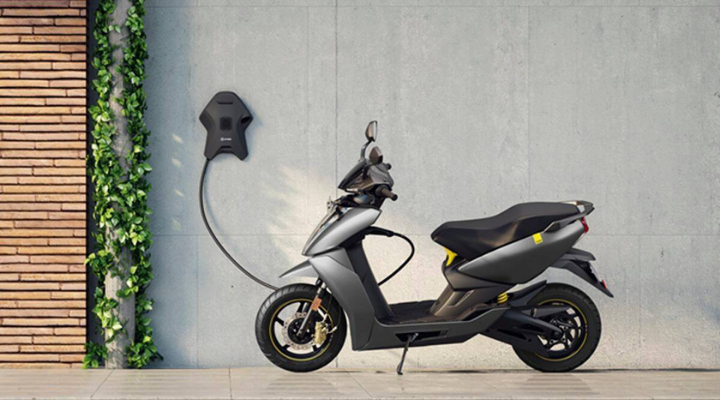
Ather Electric

Introduction

The motorized two-wheeler is an important part of global transportation. In the twenty-first century, it is undergoing significant change due to technological innovation, environmental regulation, urban growth, and shifting consumer needs.

While internal combustion engine (ICE) motorcycles and scooters continue to dominate many markets, electric propulsion and digital technologies are increasingly influencing design and usage patterns.

These changes do not represent a complete replacement of existing systems but rather an ongoing transition. Manufacturers, governments, and consumers are adapting to new expectations related to efficiency, safety, connectivity, and sustainability.
Technological Innovation and Electrification

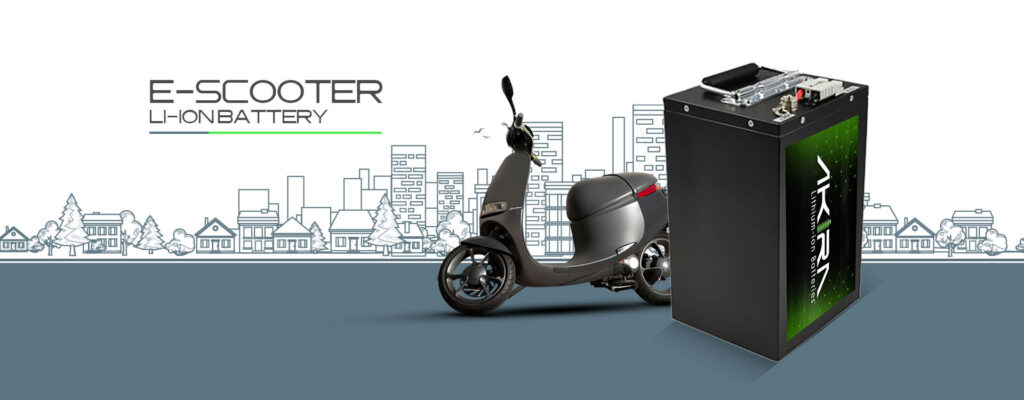
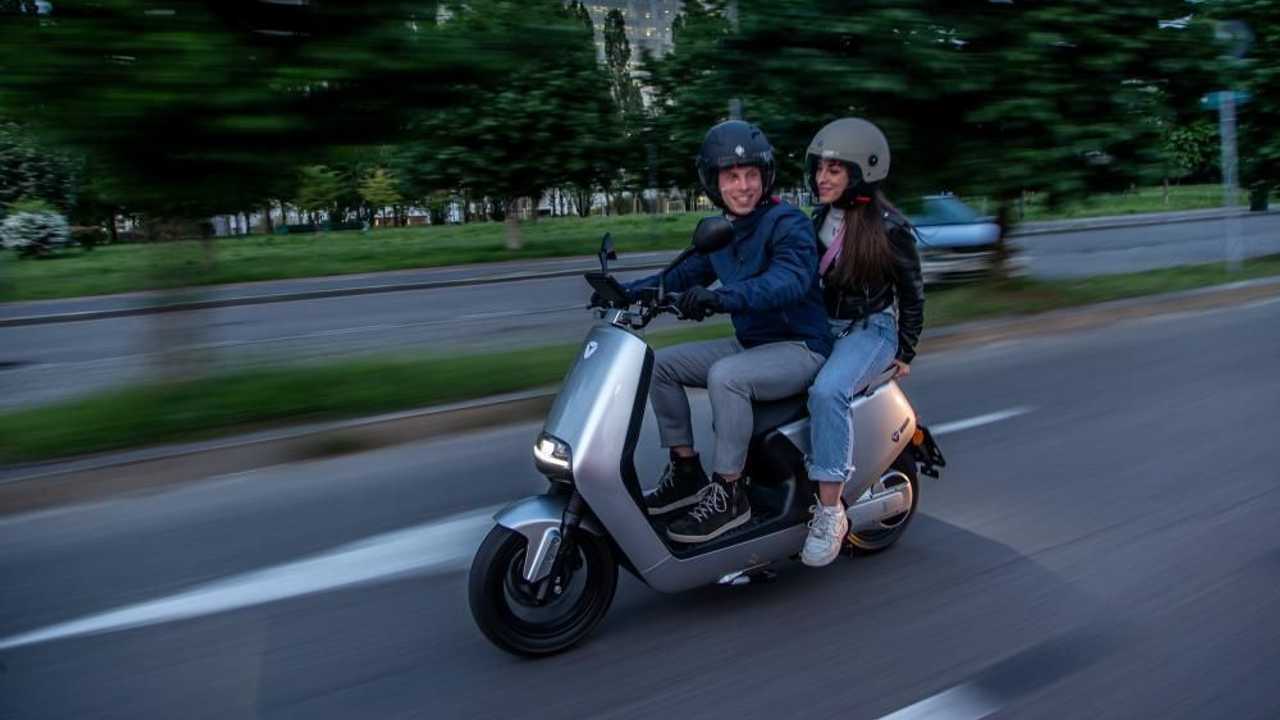
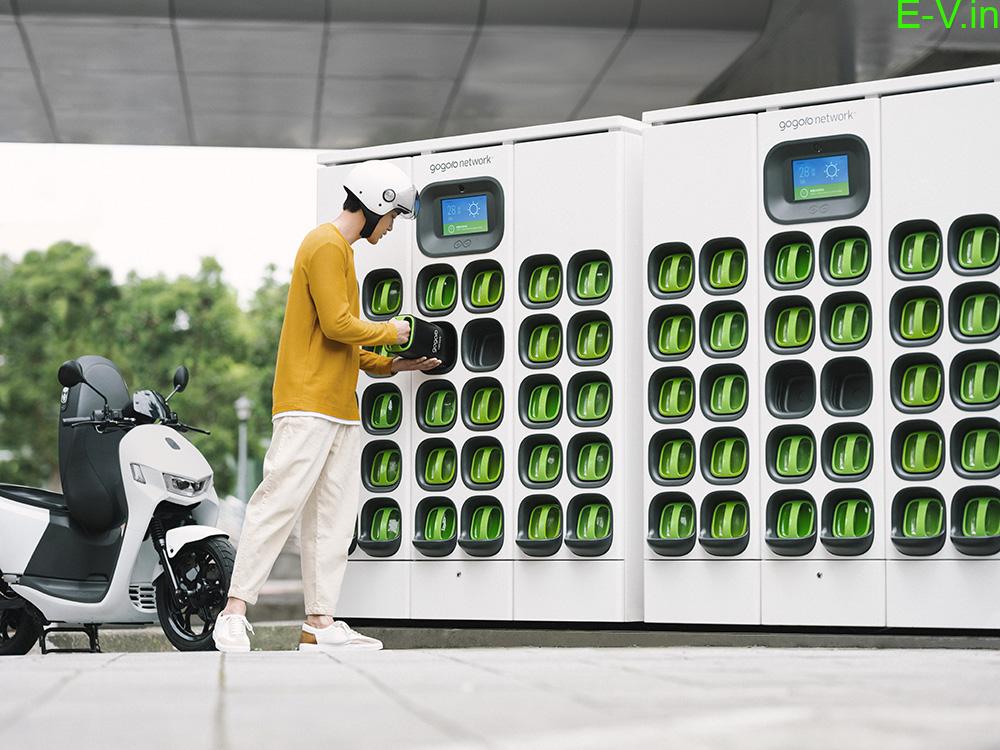
One of the most visible developments in recent years is the rise of electric two-wheelers. Electric scooters and motorcycles use battery-powered motors instead of petrol engines. 

This reduces tailpipe emissions and lowers mechanical complexity. Improvements in battery capacity, charging systems, and motor efficiency have made electric models more practical for daily urban travel.

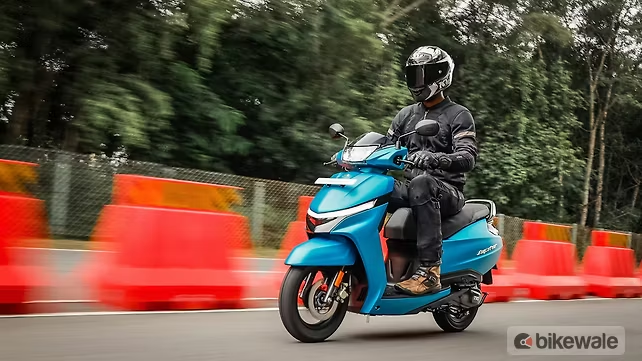
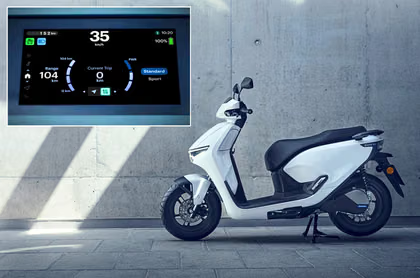
Honda electric scooter

Large-scale electric adoption has occurred in countries such as China, where government policy and urban air-quality concerns supported rapid growth. Similar developments are emerging in parts of Europe and in India.

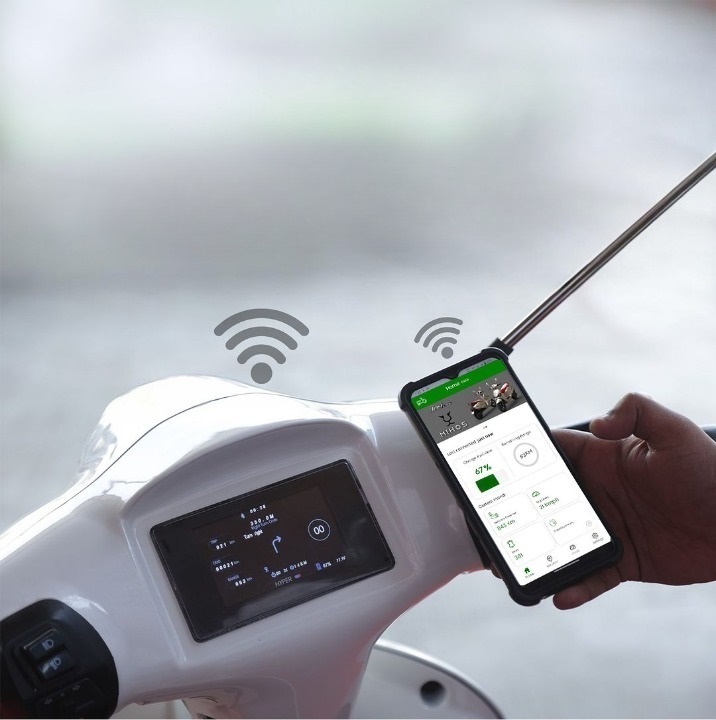
In addition to electrification, modern two-wheelers increasingly include electronic systems. Anti-lock Braking Systems (ABS), traction control, fuel injection, and digital instrument panels are now common features. Many vehicles also provide smartphone connectivity, navigation support, and diagnostic information. These technologies improve safety, performance, and user convenience.

Smart Connectivity

Environmental Regulation and Sustainability

Environmental concerns play a major role in shaping the future of two-wheelers. Governments around the world have introduced stricter emission standards to reduce air pollution. In Europe, Euro 5 regulations limit exhaust emissions from motorcycles. In India, Bharat Stage VI (BS6) standards require cleaner engine technology and improved fuel systems.

Electric vehicles are often supported through subsidies, reduced taxes, and infrastructure programs. However, sustainability discussions also include battery production and recycling. Lithium-ion batteries require minerals such as lithium and cobalt, which are sourced from specific regions. As a result, research into recycling and alternative battery materials is ongoing.

Economic Importance and Global Manufacturing

The motorized two wheeler industry is a major contributor to the global automotive sector. Millions of units are produced each year, supporting large supply chains that include component manufacturing, electronics production, and assembly operations.

Countries such as India, Japan, and China are leading manufacturing hubs. Indian manufacturers export motorcycles to markets in Africa, Latin America, and Southeast Asia.
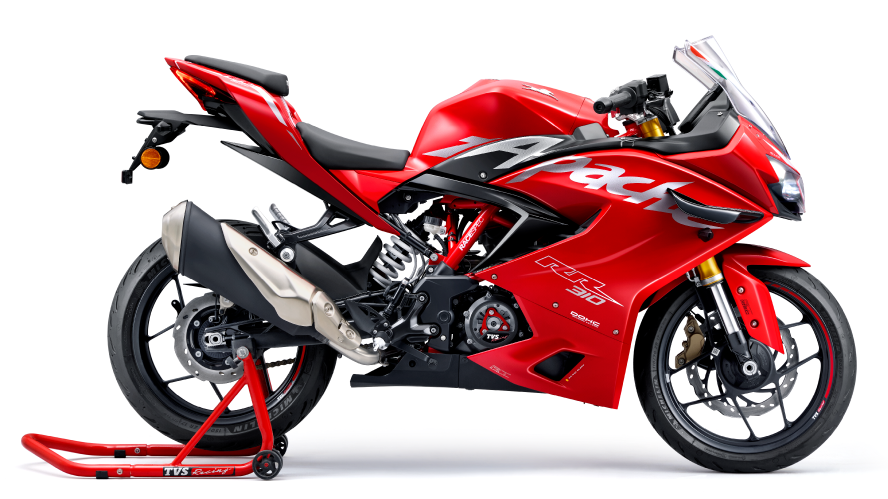
TVS Apache RR 310 BS6
Major global manufacturers include Honda, Yamaha Motor Company, Suzuki, Hero MotoCorp, and TVS Motor Company. These companies invest in research and development to remain competitive as technology and regulations evolve.
In many developing countries, affordability and fuel efficiency are key factors influencing consumer demand. In developed markets, performance, advanced features, and brand identity may also influence purchasing decisions.

Regional Variations and Market Characteristics

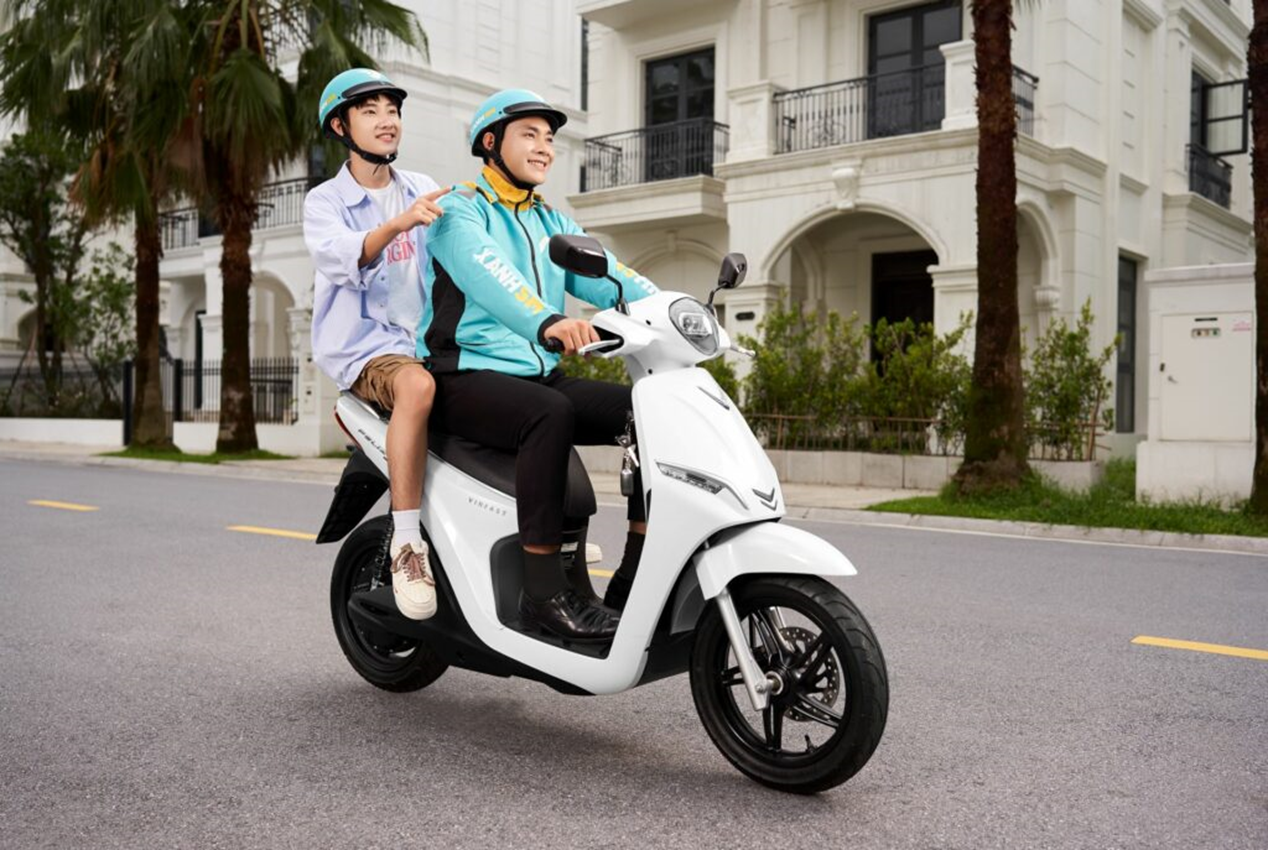
Vietnam
The importance of Motorized two wheelers differs across regions. In Southeast Asia, including Indonesia and Vietnam, motorcycles are widely used for daily commuting due to affordability and traffic density.

In European countries such as Italy and France, scooters are commonly used in urban areas, particularly in congested city centers.

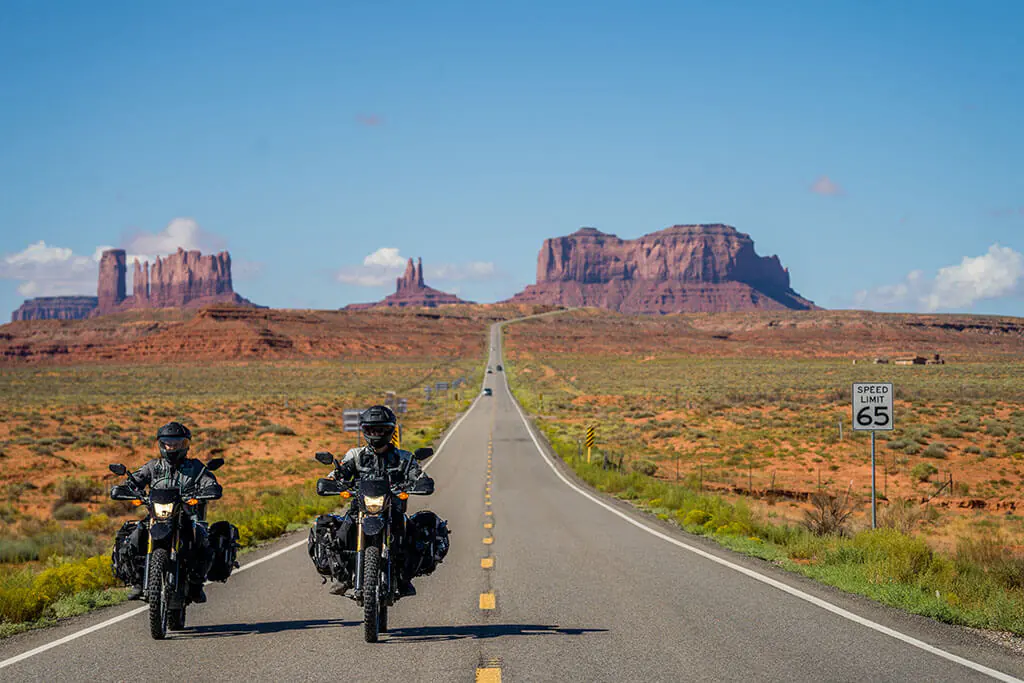
In the United States, motorcycles are often associated with recreational riding and touring, although commuter usage exists in some cities.

In India, two-wheelers represent one of the most common forms of personal transportation. They are used for commuting, goods delivery, and small-scale commercial activity. Domestic manufacturers such as TVS Motor Company and Hero MotoCorp play central roles in serving both domestic and export markets.

Safety, Infrastructure, and Social Impact

Motorized two-wheelers provide mobility benefits but also present safety challenges. Because riders are not enclosed within a vehicle body, they are more exposed to road hazards. Governments often require helmet use, licensing standards, and compliance with traffic regulations to improve road safety.

Technological features such as ABS and improved frame design contribute to accident prevention. Infrastructure planning, including better road surfaces and designated parking areas, can also enhance safety and efficiency.

Socially, two-wheelers are often associated with independence and economic mobility. In some regions, they are essential tools for employment, including delivery services and small-scale transport. In other contexts, they are linked to recreation and lifestyle communities.

Future Outlook and Emerging Trends

The future of the motorized two-wheeler is likely to involve continued electrification, improved safety systems, and greater digital integration. Battery cost reductions and expanded charging networks may increase electric adoption rates. At the same time, internal combustion models are expected to remain important in regions where infrastructure development is gradual.

Emerging research includes alternative fuels, lightweight materials, and connected vehicle technologies that integrate two-wheelers into broader smart transportation systems. Policy decisions, technological progress, and consumer acceptance will influence the pace of change.

Conclusion

The motorized two-wheeler remains a significant component of global transportation systems. Ongoing developments in electrification, regulation, manufacturing, and digital technology are shaping its future. While regional differences continue to influence usage patterns, two-wheelers are expected to maintain their role as accessible, flexible, and widely used vehicles across diverse economic and geographic contexts.

Previous Designing for Shared Personal Transportation
Next Emerging Power Sources and Their Influence on Vehicle Design
The Future Is Here: How Do We Respond?
Scroll to top