Shared personal transportation refers to mobility systems in which vehicles are accessed on demand by multiple users instead of being privately owned. These vehicles are typically booked through a mobile application, used for short urban trips, and returned for the next rider. Common examples include shared electric scooters, shared bicycles, and app-based scooter rentals.
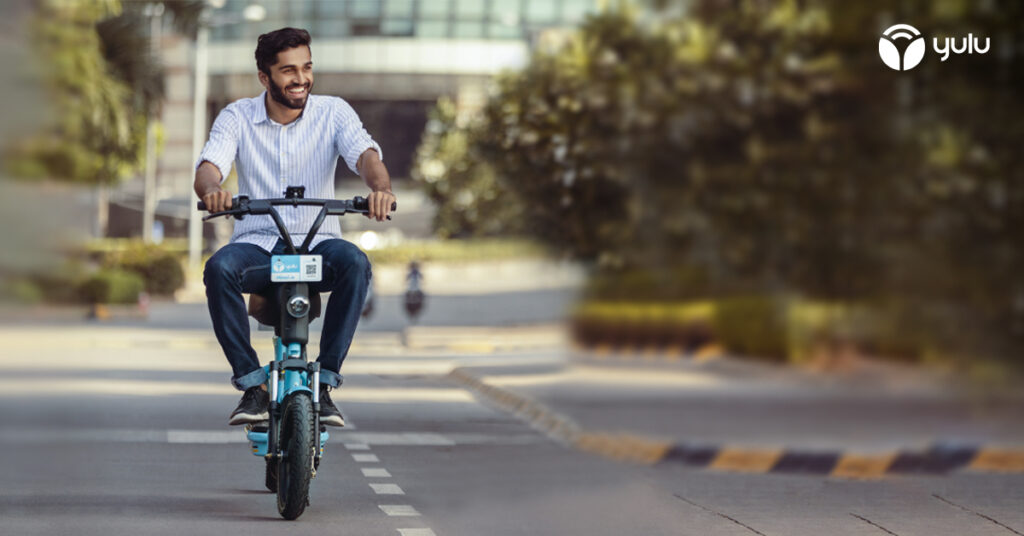
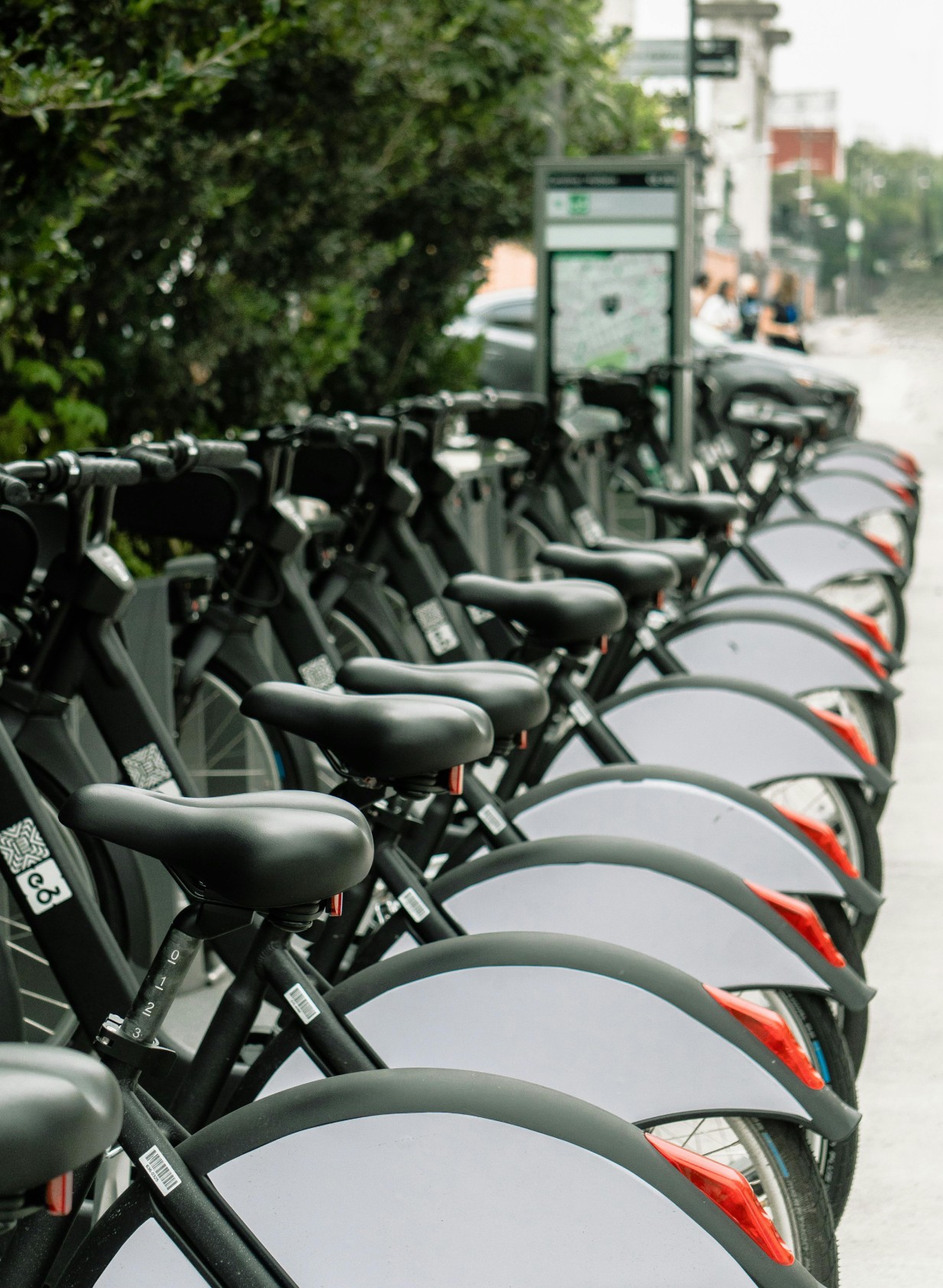
Globally, shared two-wheelers are visible in cities such as Los Angeles, Shanghai, and Paris. In India, shared mobility plays a significant role in urban centers such as Bengaluru, Delhi, Mumbai, Hyderabad, and Pune, where traffic congestion, expanding metro networks, limited parking space, and last-mile connectivity challenges encourage flexible transport solution.
Unlike private ownership, where a vehicle is used by a single individual or family, shared personal transportation allows multiple riders to use the same vehicle at different times. The design of such systems therefore focuses on durability, simplicity, digital connectivity, and operational efficiency.
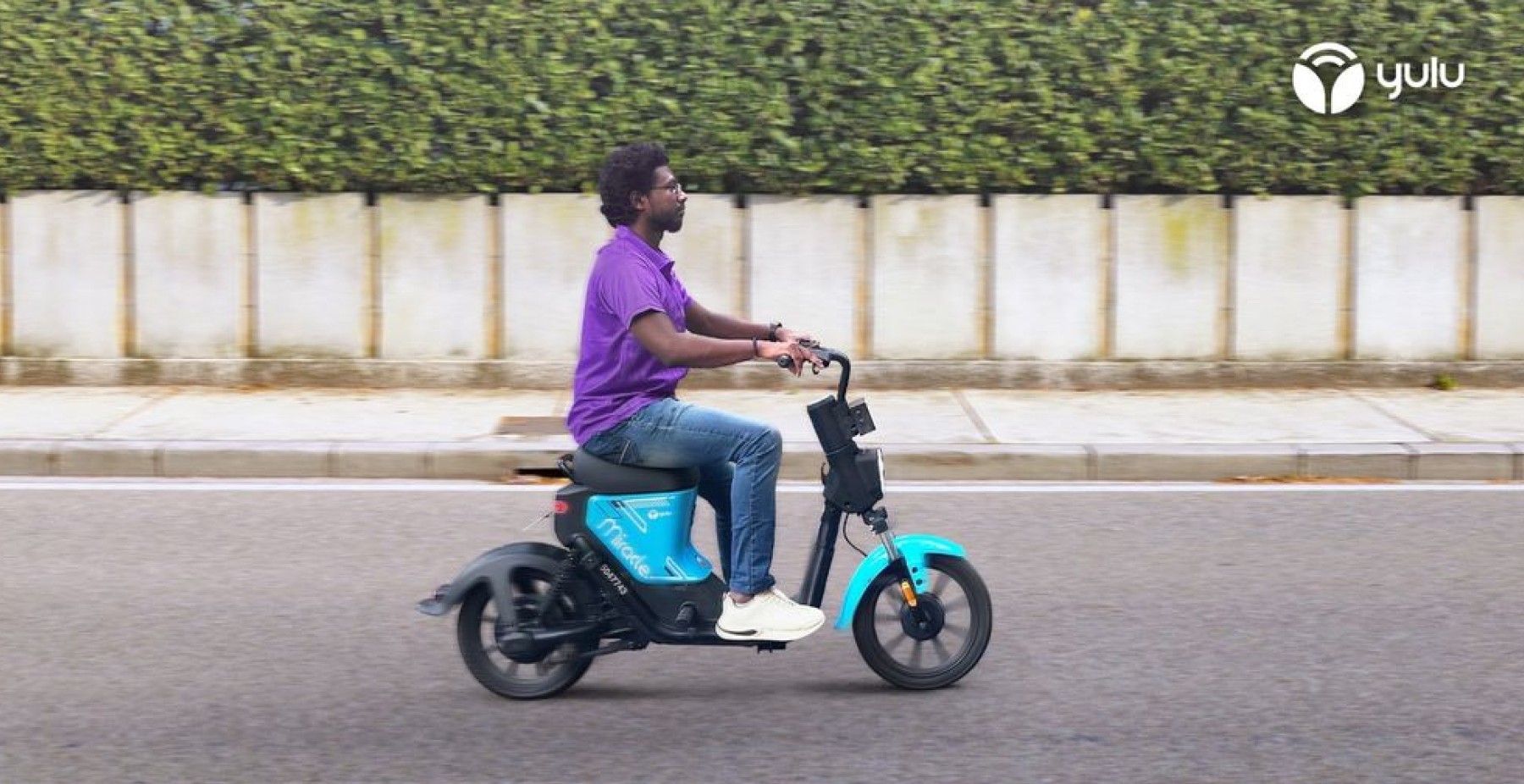
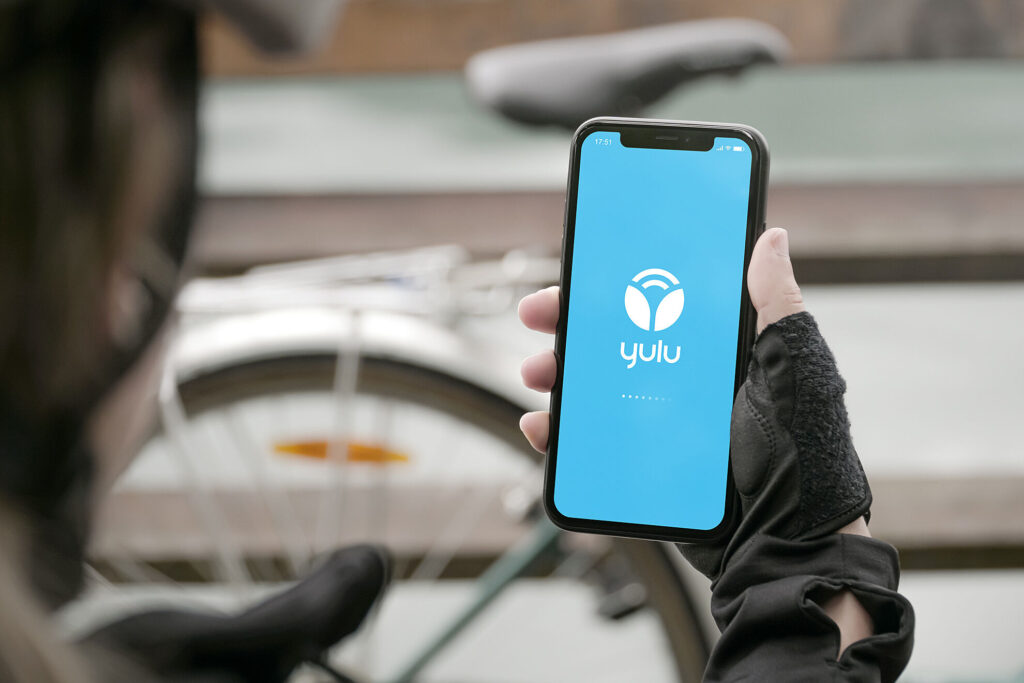
A typical shared ride follows a structured digital process: the user downloads a mobility app from an operator like Yulu, which shows nearby available vehicles through GPS tracking within a defined geofenced area.
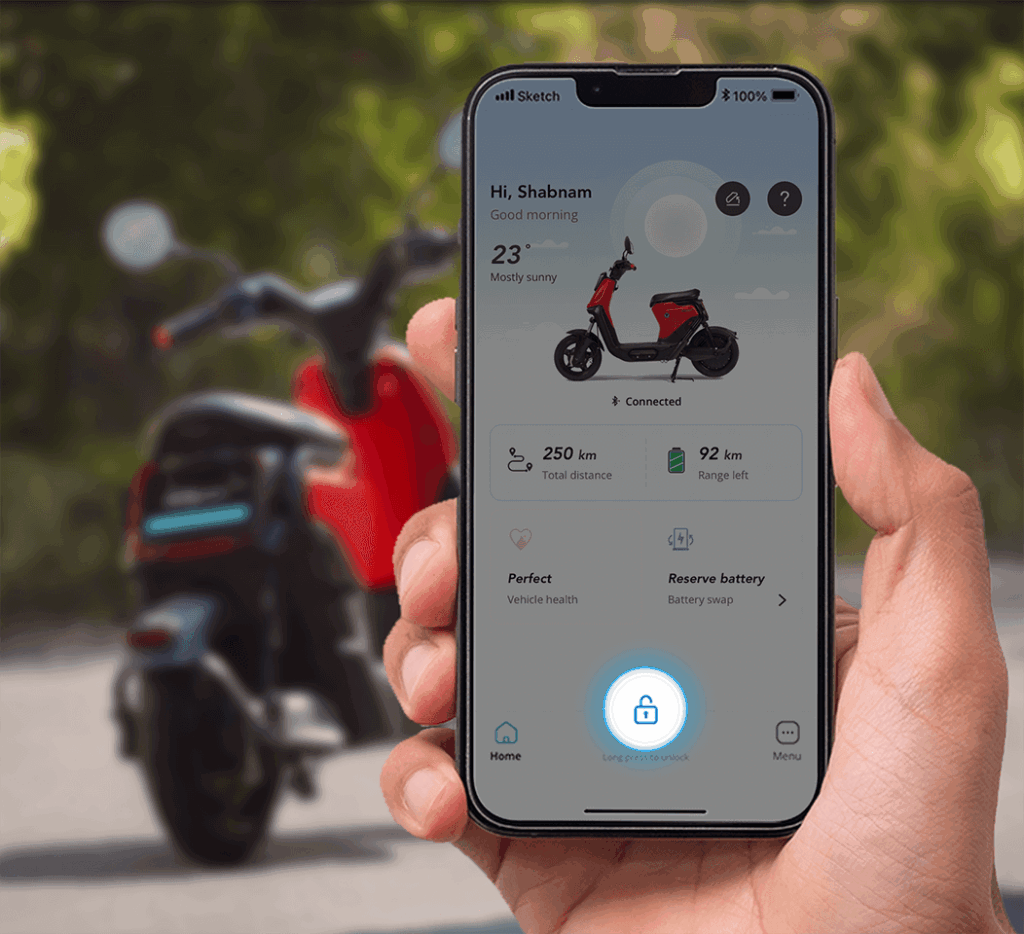
The rider selects a vehicle, unlocks it through the app, and starts the trip. The system tracks time, distance, and continuously transmits real-time location data to the operator’s platform throughout the ride.
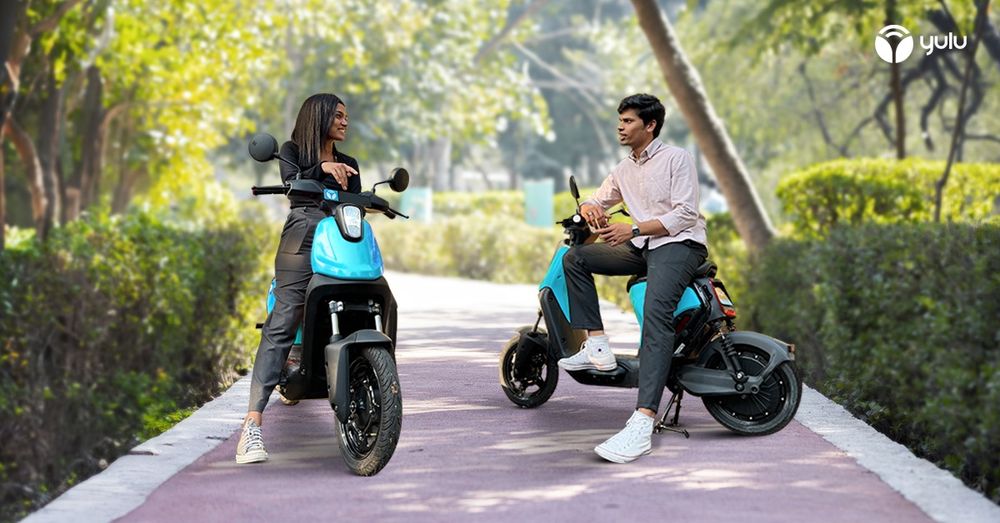
At the destination, the rider parks in an approved zone and locks the vehicle via the app. Payment is processed digitally based on usage time, and the vehicle becomes available for the next user.
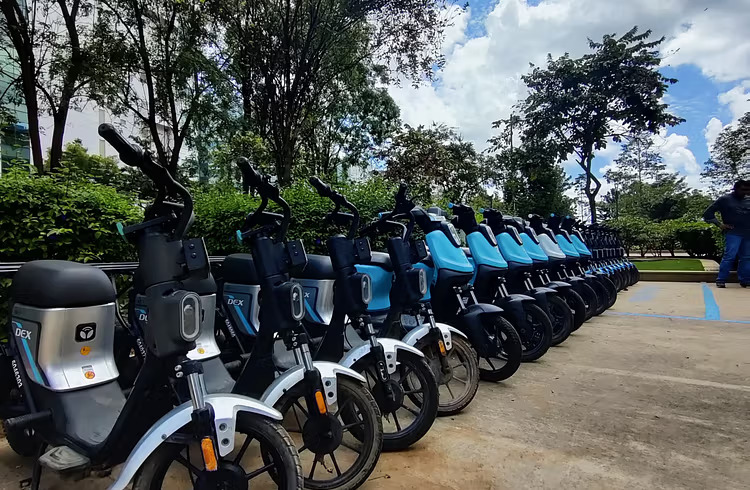
This model removes responsibilities such as fuel refilling, insurance management, servicing, and long-term parking from the user. It is instead managed by the company.
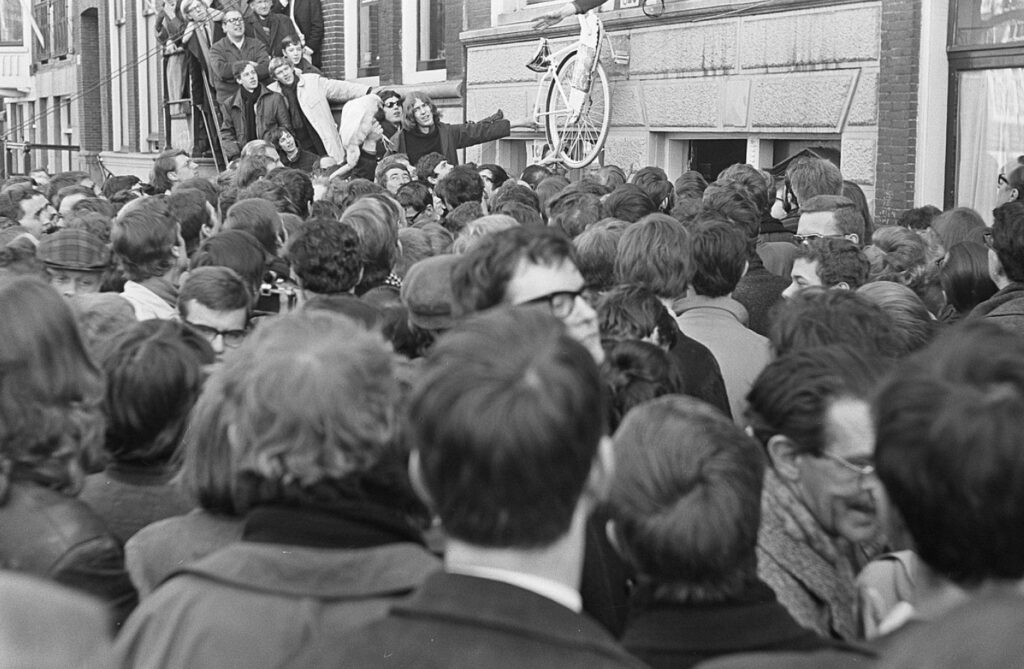
White bicycle as an emblem of the Wittefietsenplan movement
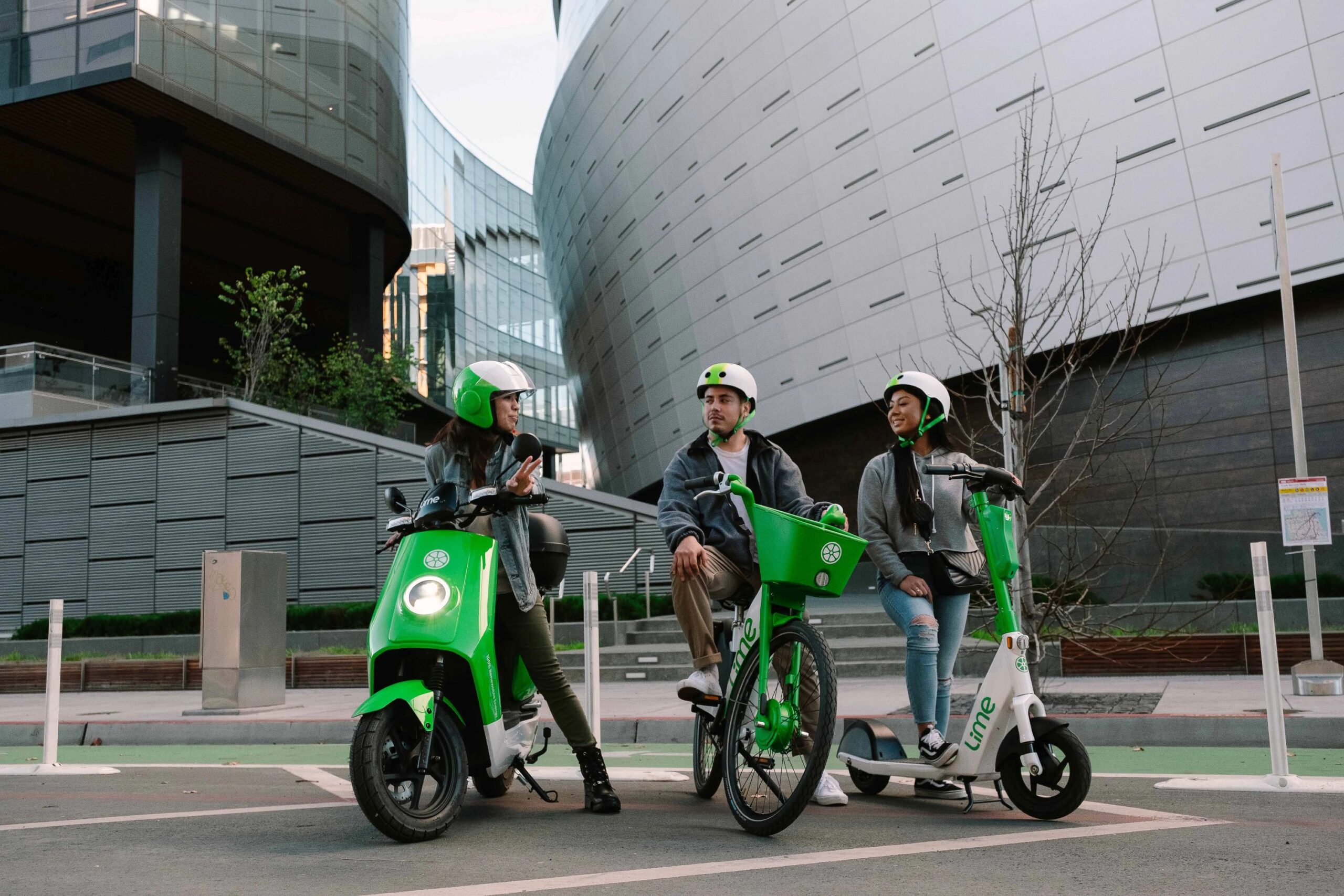
Lime Bikes
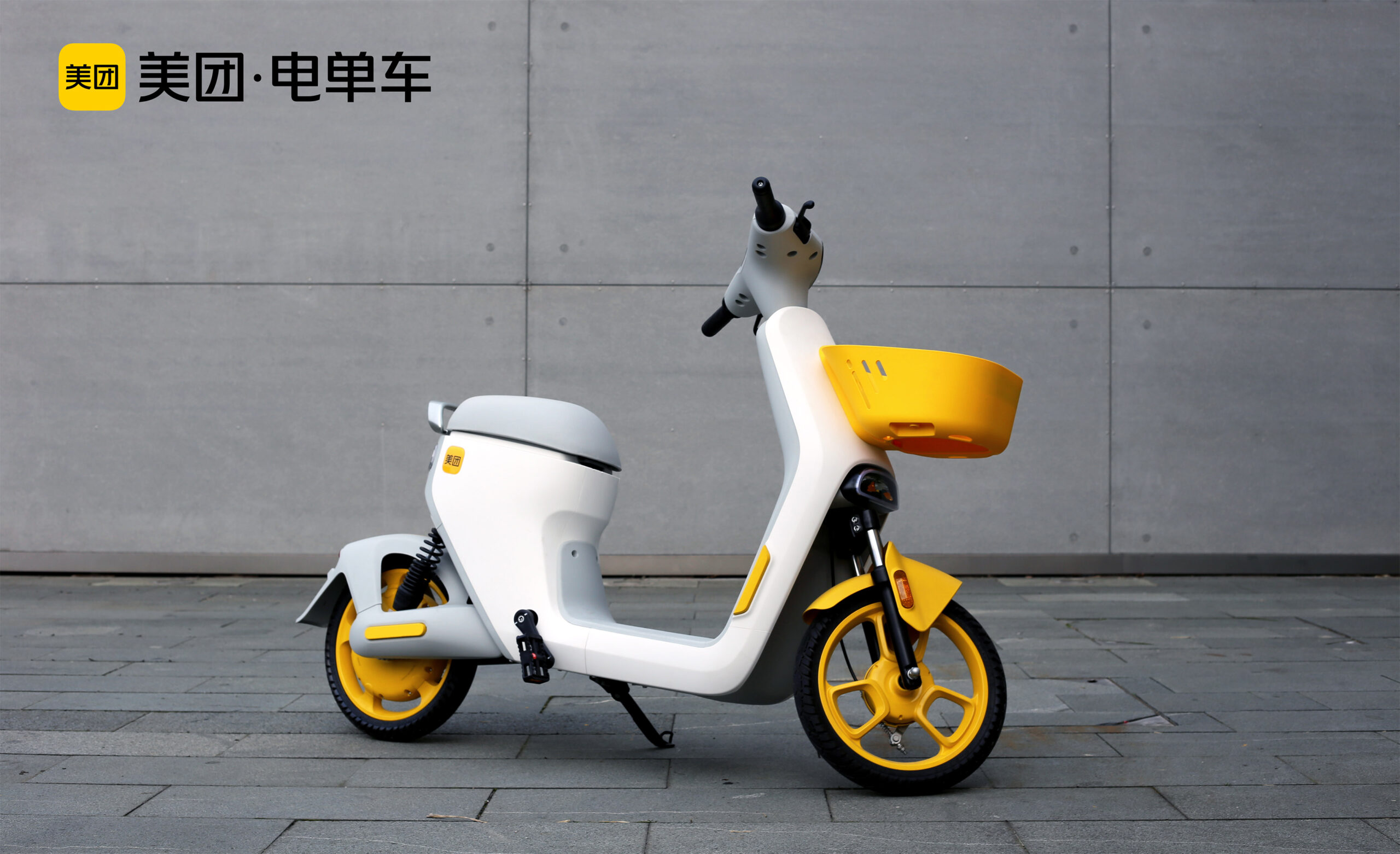
Meituan X1 Sharing E-Scooter
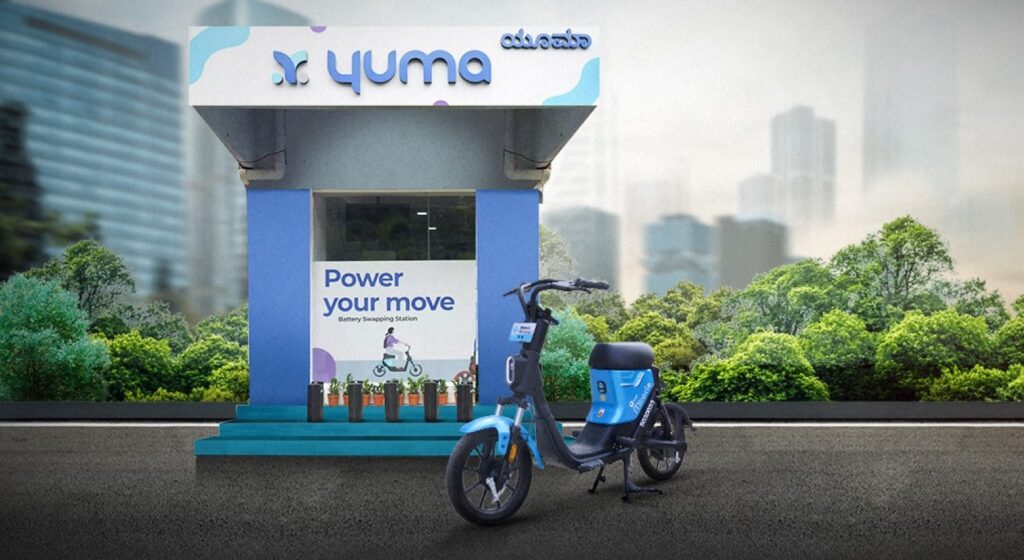
Shared Personal Transportation System
In Bengaluru and Delhi, shared vehicles often cluster near metro stations, technology parks, educational institutions, and commercial districts. This clustering modifies commuting patterns by facilitating faster connections between major transit nodes and residential areas.
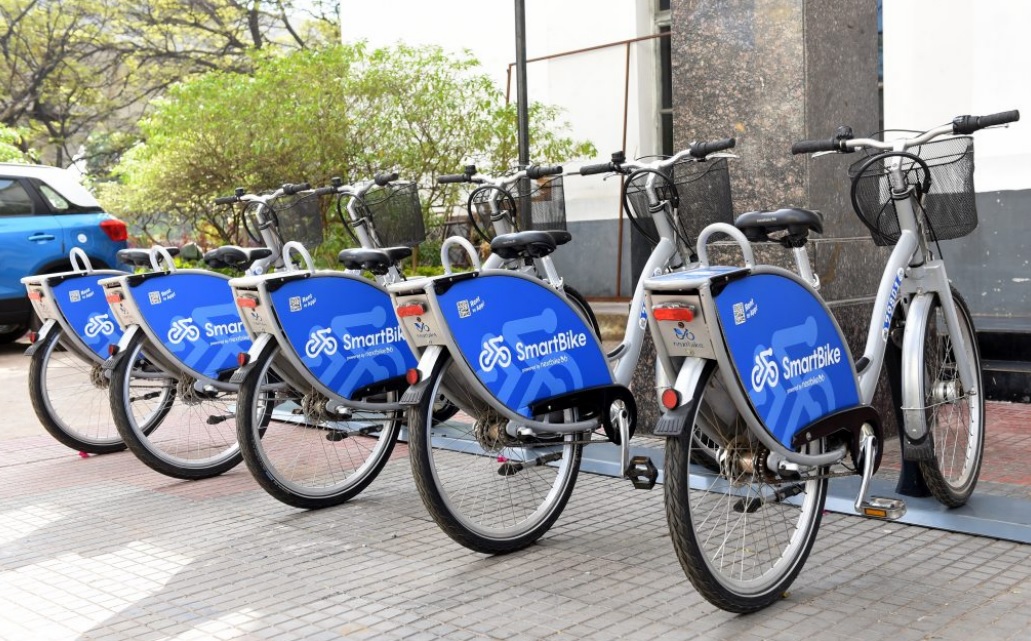
SmartBike Parking Station
User responsibility also plays a role. Riders are expected to comply with traffic regulations and park vehicles responsibly within designated zones. Shared vehicles are often the target of vandalism. Such aspects are very difficult and often expensive to track and enforce through technology. It is dependent largely on civic sense. A shared ecosystem must consider these aspects at a product design and strategy level.
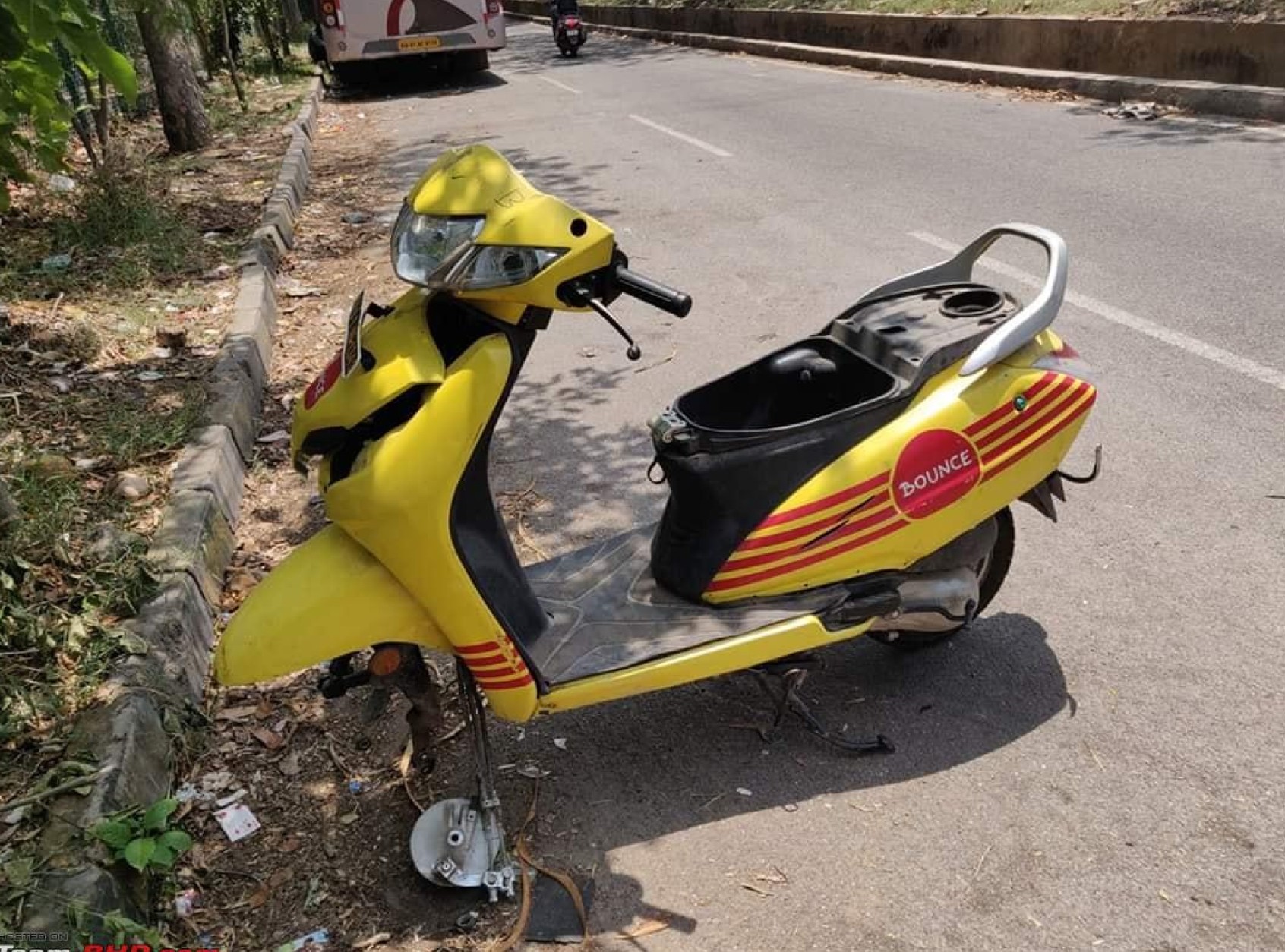
Vandalism of unattended shared scooter on road

Previous
MISSING-Future Directions in Augmented and Digital Displays
Next
The Future Is Here: How Do We Respond?
