A Definitive Guide to Motorised Two Wheelers

The Indian Marketplace: A Complex Crisscross of Opportunities

A A

Introduction

Motorized two-wheelers play a central role in India’s transportation system. Millions of people use motorcycles and scooters every day for commuting to work, attending school or college, running small businesses, and managing household responsibilities. For many families, a two-wheeler is the first personal vehicle they purchase before considering a car.
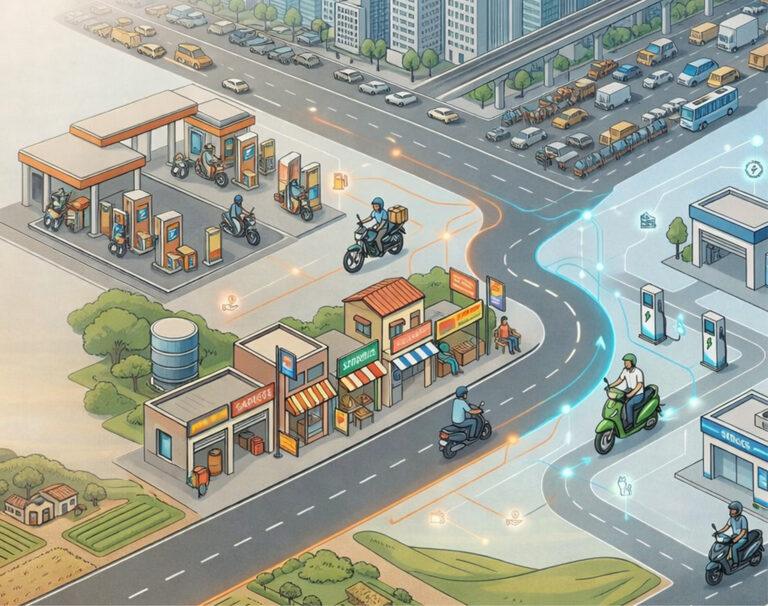
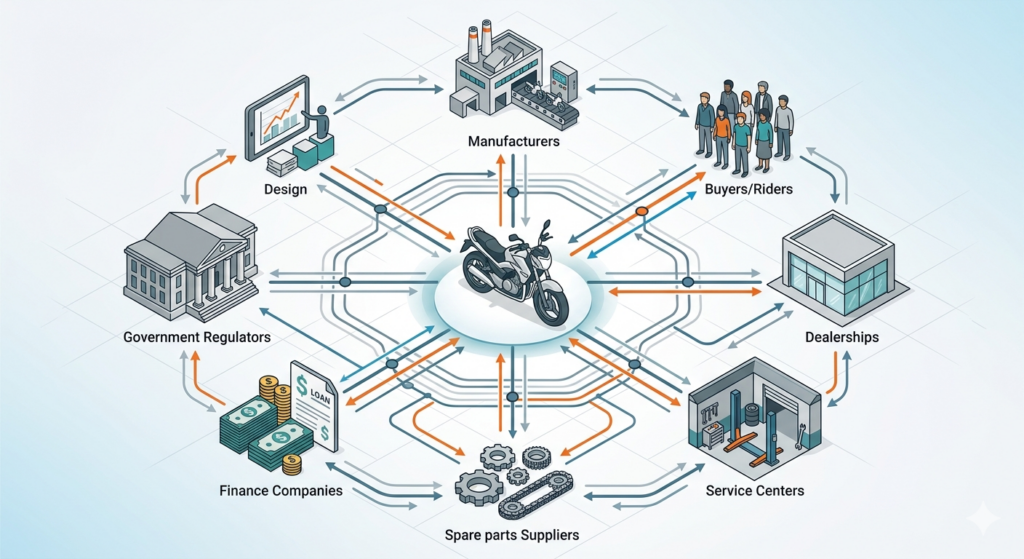
In this context, the term marketplace refers to the entire ecosystem surrounding motorised two-wheelers. It includes manufacturers, buyers, dealerships, service centers, spare parts suppliers, finance companies, and government regulators. All of these participants influence how vehicles are designed, priced, sold, and used.

Why This Market Matters

Motorized Two-wheelers account for the majority of vehicle sales in India, far exceeding car sales each year. This makes India one of the largest two-wheeler markets in the world. The sector contributes significantly to manufacturing output, employment, and small business growth.

Large companies such as TVS, Hero MotoCorp and Bajaj Auto expanded their operations as demand increased amongst middle and lower-income households. The industry supports a wide network of suppliers, dealers, and local repair shops across both cities and villages.


Therefore, because of its size and reach, the two-wheeler market influences not only transportation patterns but also economic activity in related sectors such as finance and retail.

Background and Historical Development

Motorized two-wheelers began gaining popularity in India during the 1980s and 1990s. At that time, they were seen as practical and affordable alternatives to cars and crowded public transport. Fuel-efficient commuter motorcycles became especially popular among salaried employees and small business owners.

Because of its size and reach, the two-wheeler market influences not only transportation patterns but also economic activity in related sectors such as finance and retail.

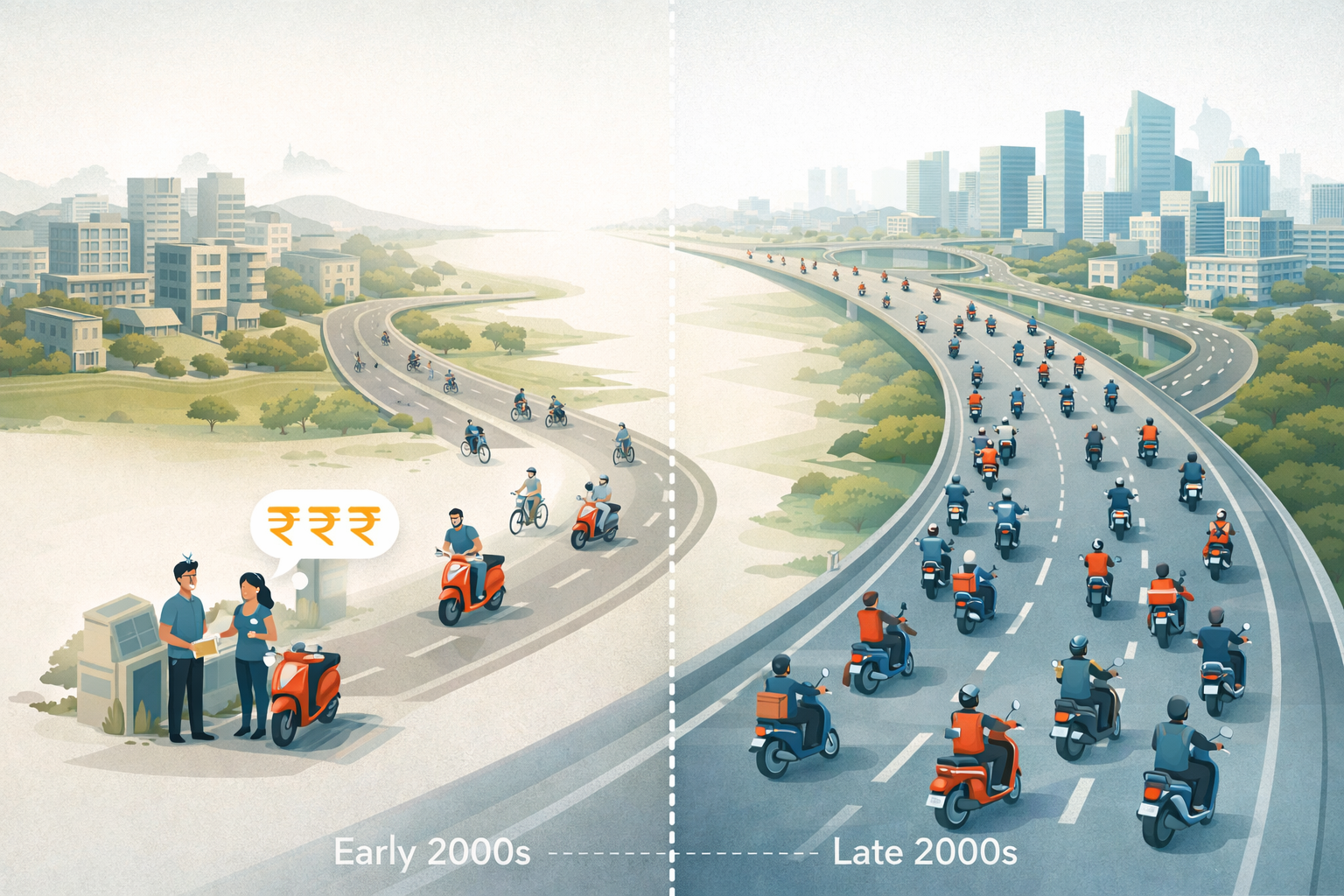
During the 2000s, rapid urbanization increased commuting distances in major cities. Improved road networks and access to installment-based financing made ownership more accessible. This period marked a significant rise in annual sales.
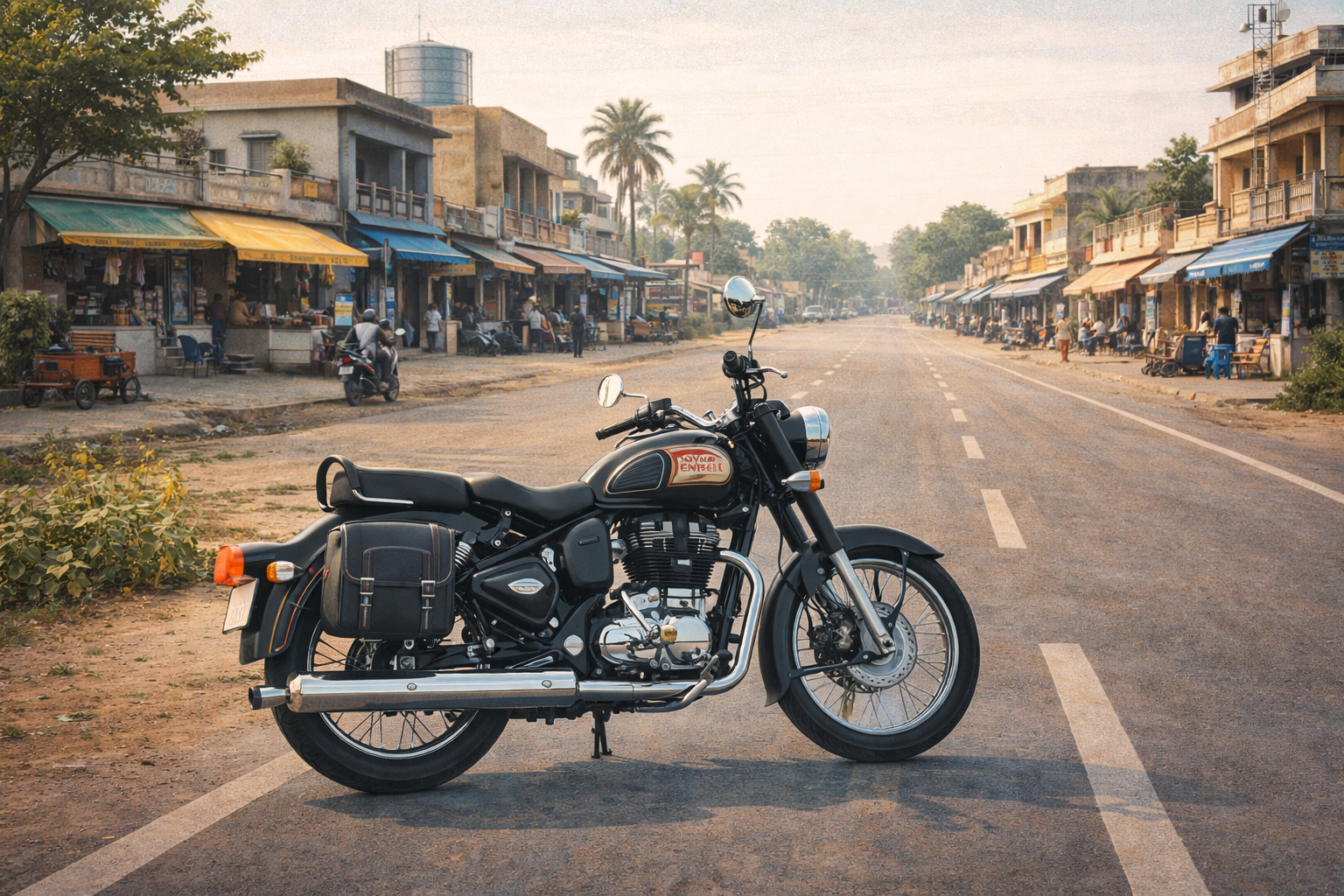
In the 2010s, consumer preferences began to diversify. Alongside commuter models, premium and lifestyle motorcycles gained attention. Brands such as Royal Enfield attracted buyers interested in touring and brand identity rather than only affordability.

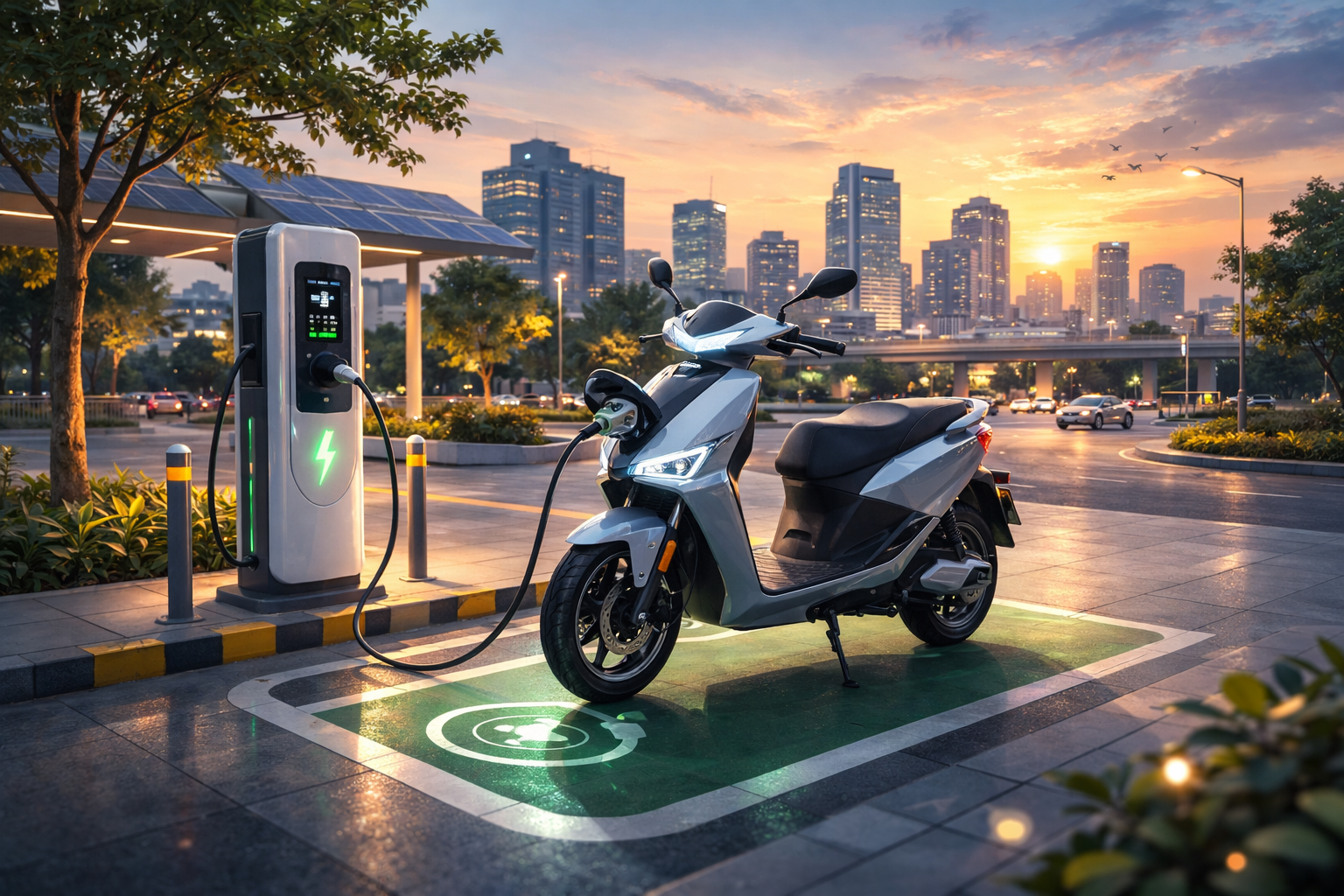
In the 2020s, electric mobility emerged as a new stage in the industry’s development. Companies such as Ola Electric introduced battery-powered scooters, reflecting changing environmental concerns and technological progress.
Understanding the “Complex Crisscross”

The Indian two-wheeler marketplace is considered complex because multiple layers of demand operate at the same time. Buyers in metropolitan cities may prioritize convenience, time savings, and fuel efficiency due to heavy traffic and limited parking. In contrast, buyers in smaller towns or rural areas may focus on durability, load-carrying capacity, and low maintenance costs.

Income levels also influence choices. Some consumers look for the most economical commuter models, while others are willing to pay more for design, brand image, or additional features. At the same time, trends in urban areas can influence aspirations in smaller towns.

For example, a working professional in Bengaluru might compare petrol and electric options based on commuting distance and access to charging facilities. Meanwhile, a rural family may prioritize reliability and resale value. These overlapping priorities create a marketplace where different needs intersect and influence one another.

“Complex crisscross” means many factors like location, income, infrastructure, culture, and technology mix together to shape demand in India’s diverse market.

Petrol and Electric Choices

Petrol-powered two-wheelers remain the dominant segment in India. They are generally less expensive to purchase upfront and benefit from an extensive fuel station network across the country. Maintenance systems and spare parts availability are also well established.

Electric two-wheelers, however, are gaining attention due to lower running costs and reduced direct emissions. Electricity is often cheaper than petrol on a per-kilometer basis, making long-term operation more economical. Companies such as Ather Energy focus on digital dashboards, connected features, and expanding charging infrastructure.

Despite these advantages, electric adoption faces challenges, including limited charging stations in certain regions and higher initial purchase prices. As a result, buyers often weigh short-term affordability against long-term savings.

Needs Driving Demand

Several practical needs explain the sustained popularity of two-wheelers in India. Mobility and accessibility are primary factors. In areas where public transport is limited, irregular, or overcrowded, two-wheelers offer flexibility and independence.

Cost efficiency is another important consideration. Two-wheelers are generally more affordable than cars in terms of purchase price, fuel consumption, insurance, and maintenance. This makes them suitable for a wide range of income groups.

Adaptability to infrastructure also plays a role. Narrow roads, dense traffic, and limited parking spaces in many Indian cities make smaller vehicles more practical. Additionally, many individuals use two-wheelers for employment, including delivery services, field sales, and small business operations.

Role of Government and Regulation

Government policies influence the marketplace through safety standards, emission regulations, and fiscal incentives. Emission norms have encouraged manufacturers to adopt cleaner technologies and improve fuel efficiency.

In recent years, government incentives have supported electric vehicle adoption through subsidies and tax benefits. These measures aim to reduce pollution and encourage technological innovation. Regulatory changes can affect vehicle prices and consumer choices.

Opportunities and Challenges
1. Opportunities:
The Indian two-wheeler marketplace offers opportunities in affordability, premium branding, and electric mobility. Manufacturers continue to develop new models to meet evolving consumer preferences.
2. Challenges:
At the same time, the sector faces challenges such as traffic congestion, rising fuel prices, road safety concerns, and infrastructure gaps for electric charging. These factors shape both company strategies and individual buying decisions.

Effects on Society and Economy

The two-wheeler industry contributes significantly to India’s economy. It supports manufacturing plants, supplier networks, dealerships, and service centers across the country. The sector also generates employment in both organized and informal repair markets.

On a social level, owning a two-wheeler often represents greater independence and improved access to employment, education, and healthcare. As electric mobility expands, environmental considerations are becoming increasingly important within the marketplace.

Conclusion

The Indian marketplace for motorized two-wheelers reflects a network of interconnected economic, social, and technological influences. Its “complex crisscross” nature arises from the interaction of diverse regional conditions, income levels, consumer aspirations, and policy frameworks.

From its growth in the late twentieth century to the current expansion of electric mobility, the industry continues to evolve in response to changing needs. For beginners, understanding these overlapping influences provides a clear foundation for studying India’s transportation and mobility landscape.

Previous The History of Two Wheelers in India
Next MISSING-Introduction to Wheels
The Indian Marketplace: A Complex Crisscross of Opportunities
Scroll to top