Motorized two-wheelers have been a key part of India’s transportation history since the mid-20th century. Their evolution closely reflects changes in infrastructure, economic conditions, fuel availability, and consumer expectations. Over the decades, motorcycles and scooters in India have progressed from rugged utility vehicles to affordable commuters, performance-oriented machines, lifestyle products, and electric mobility solutions.
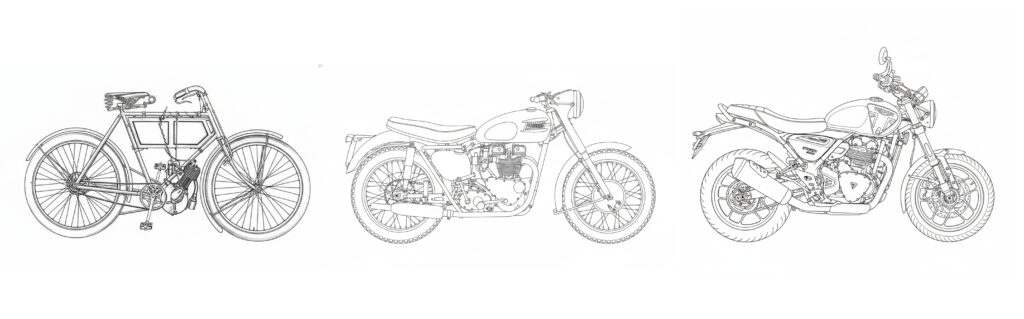
Early Use and Military Applications (1950s)
In the 1950s, the use of motorized two-wheelers in India was largely limited to military and government purposes. The Royal Enfield Bullet 350 became strongly associated with this period, as it was used by the Indian Army for patrol and communication duties. Its robust construction, simple mechanical design, and ability to operate reliably on rough roads made it suitable for demanding conditions. During this era, two-wheelers were valued primarily for durability and dependability rather than personal ownership.
Representative Models :
1.Royal Enfield Bullet 350
2.Royal Enfield Bullet 500
3.BSA A7 and A10
4.Norton ES2
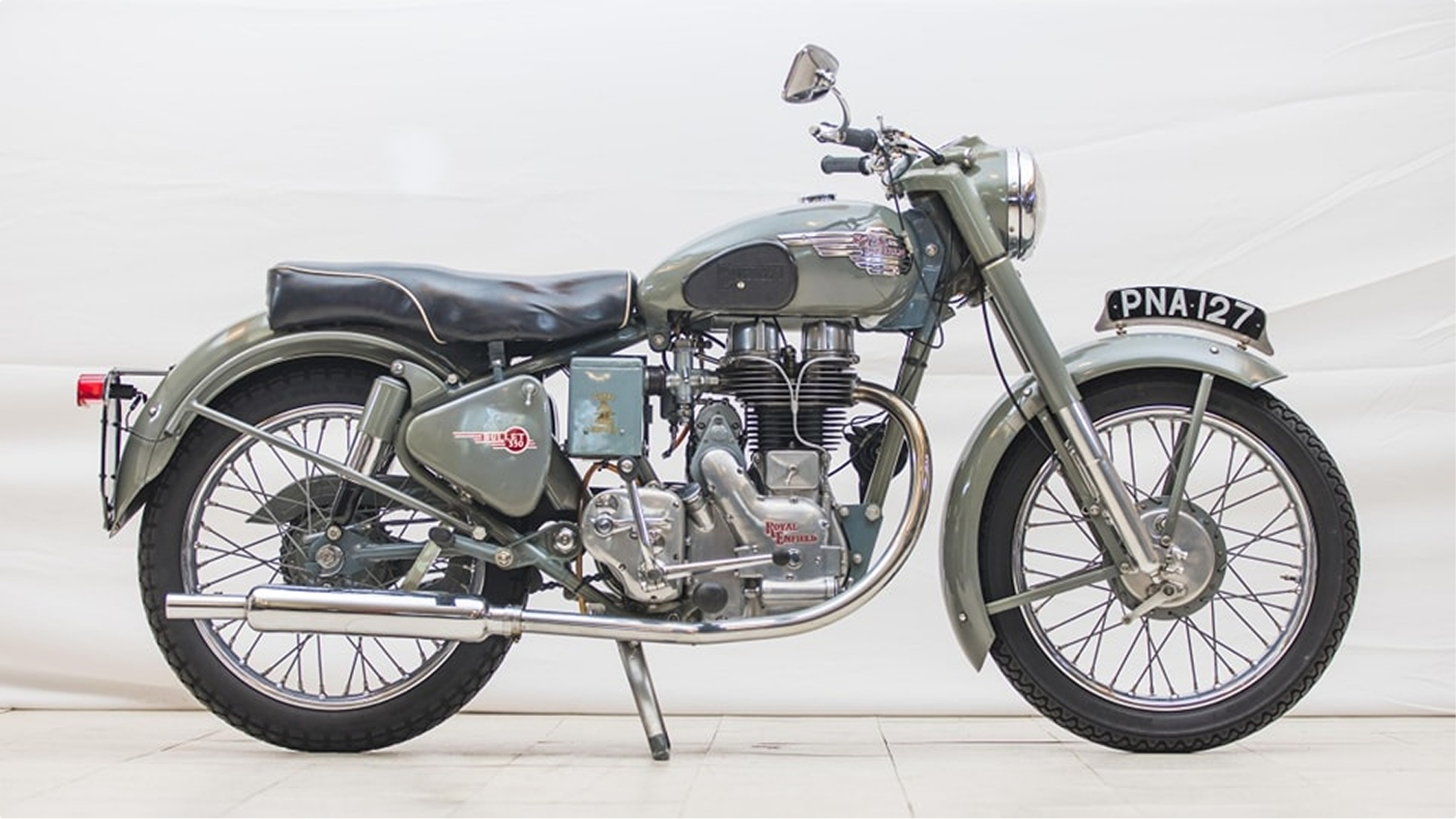
1955 Royal Enfield Bullet 350 (First ever bike in India)
Expansion of Civilian Mobility (1960s–1970s)
The 1960s and 1970s marked the widespread adoption of two-wheelers by the general public.Rapid urbanization and limited public transport increased demand for affordable personal mobility. Motorcycles such as the Yezdi Classic and Rajdoot 175, along with scooters like the Bajaj Chetak and Lambretta, became common on Indian roads. Most vehicles from this period used two-stroke engines, which were inexpensive to manufacture and easy to maintain. These two-wheelers established the foundation of daily commuting in cities and towns across the country.
Representative Models
1.Yezdi Classic
2.Rajdoot 175
3.Jawa 250
4.Royal Enfield Crusader
5.Bajaj Chetak
6.Bajaj Super
7.Lambretta Li 150
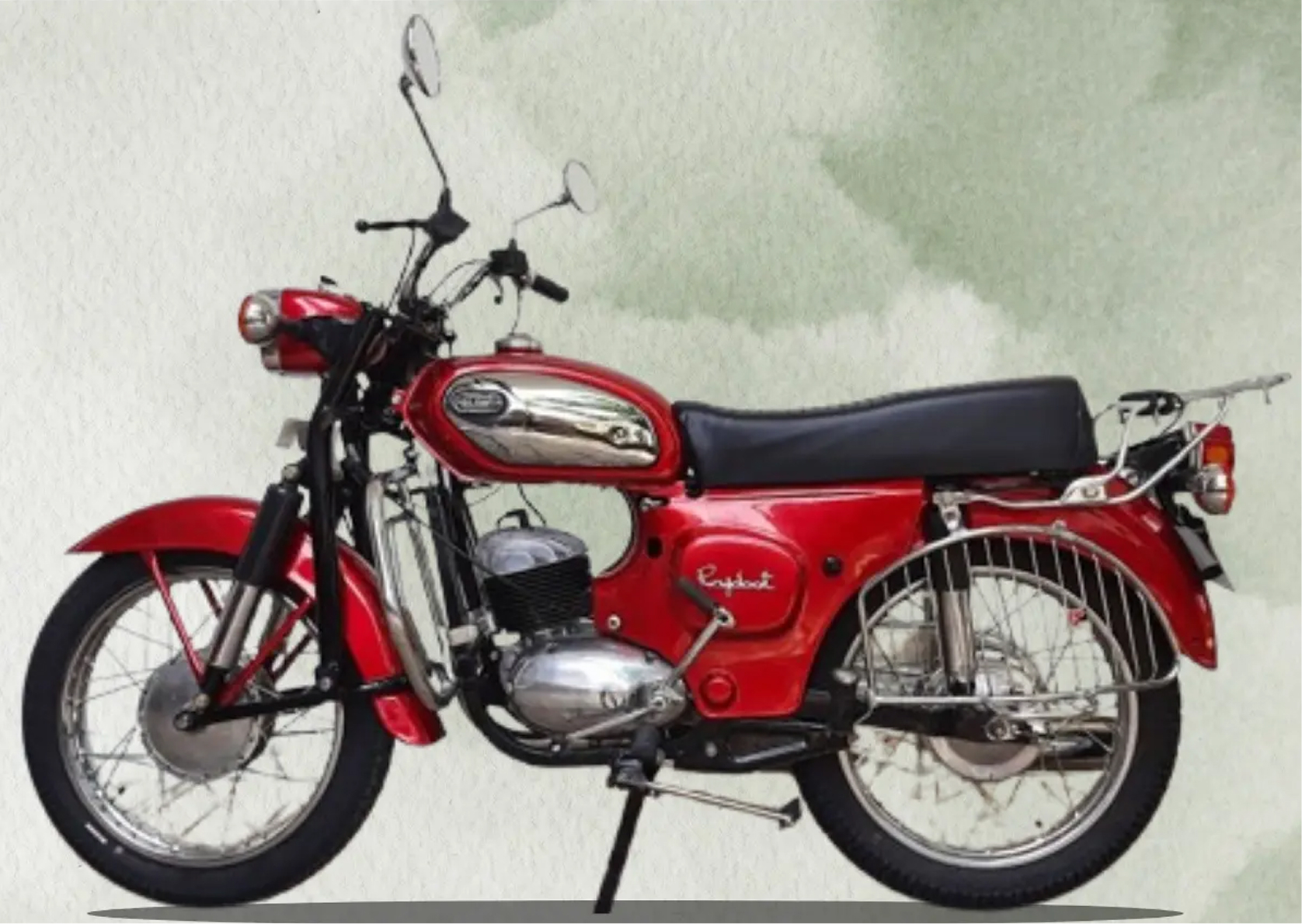
1962 Rajdoot 175
Fuel Efficiency and Mass Adoption (1980s)
A significant transition occurred in the 1980s with a growing emphasis on fuel efficiency. Rising fuel prices and a growing middle class increased demand for economical and reliable transportation. The launch of the Hero Honda CD100 introduced four-stroke engine technology to the mass market in India. Compared to two-stroke engines, four-stroke engines offered better fuel efficiency, lower emissions, and improved engine life. This development reshaped consumer expectations and made motorcycles a practical long-term investment for families.
Representative Models
1.Hero Honda CD100
2.Hero Honda CD100 SS
3.TVS Suzuki AX100
4.Yamaha RX100
5.Bajaj M80
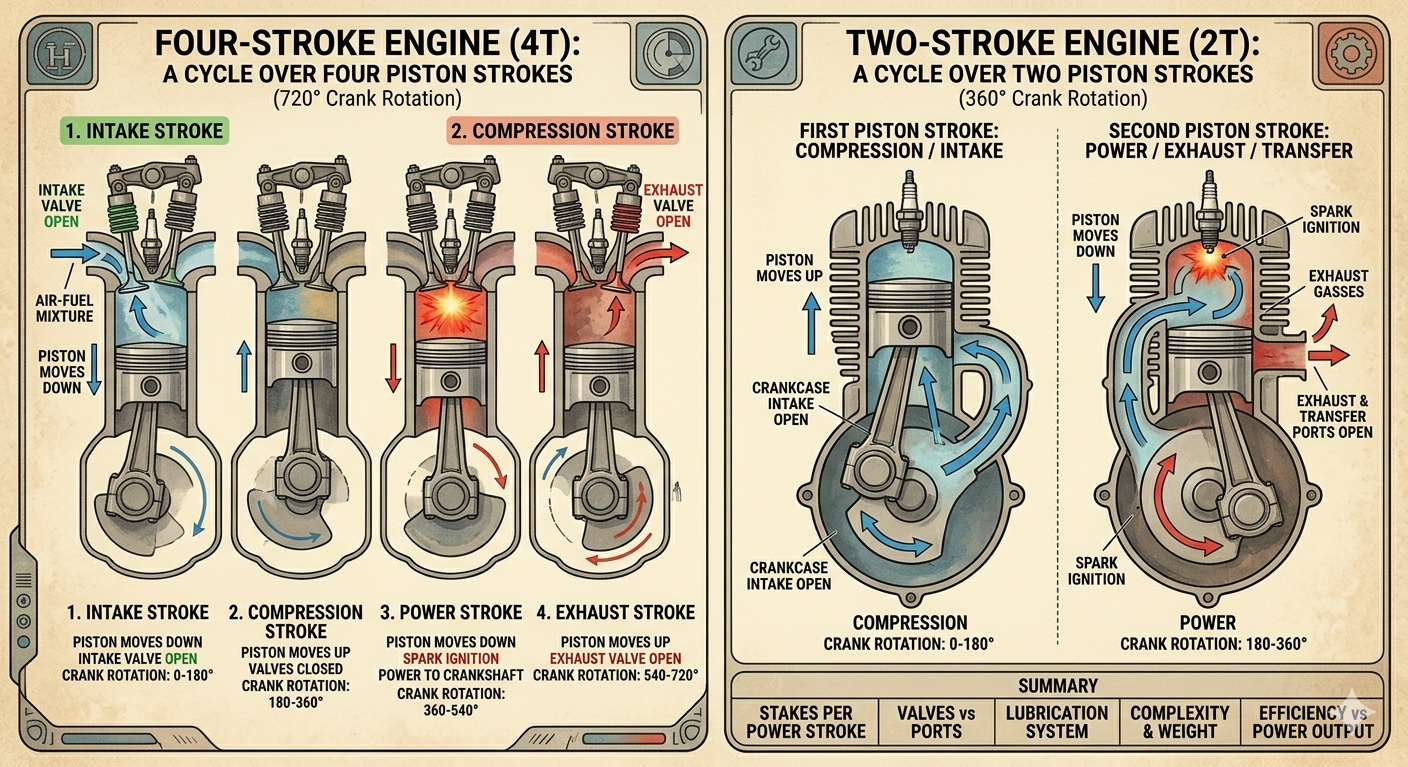
Difference between a two-stroke engine and a four-stroke engine
Performance and Youth-Oriented Design (1990s)
During the 1990s, motorcycles began to be seen as more than just functional transport. Economic liberalization exposed Indian consumers to international brands and performance-oriented designs. Models such as the Yamaha RX100 and Suzuki Shogun gained popularity due to their quick acceleration, lightweight construction, and sporty character. This decade marked the rise of youth-oriented motorcycles, where speed, sound, and visual appeal became important factors alongside practicality.
Representative Models
1. Yamaha RX100
2. Yamaha RXG
3. Yamaha RX135
4. Suzuki Shogun
5. Kawasaki Bajaj KB100
6. Hero Honda Sleek
7. Kinetic Honda
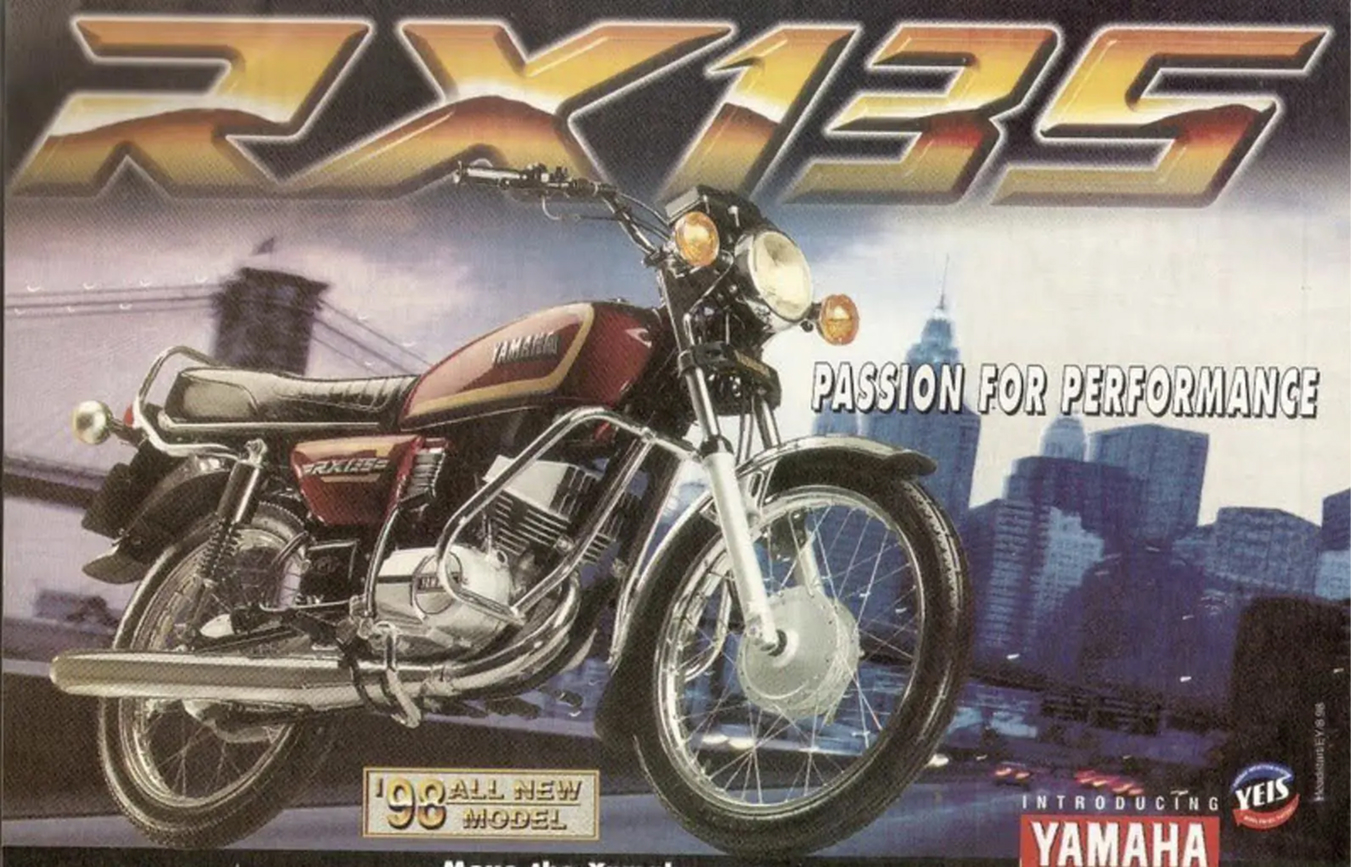
A 1998 Yamaha RX 135 Ad representing speed and a sporty character
Feature-Rich Commuters and Sporty Styling (2000s)
The 2000s introduced a new balance between power, style, and everyday usability. Commuter motorcycles became more refined and feature-rich. The Bajaj Pulsar 150 played a major role in this shift by offering features such as disc brakes, improved suspension, and digital instrumentation at an accessible price. Other models, including the TVS Apache series and Hero Honda CBZ, further reinforced the trend of sporty design within the commuter segment. This period changed how Indian consumers perceived commuter motorcycles, blending performance with daily use.
Representative Models
1.Bajaj Pulsar 150
2.Bajaj Pulsar 180
3.TVS Apache RTR
4.Hero Honda CBZ
5.Hero Honda Splendor
6.Bajaj Discover
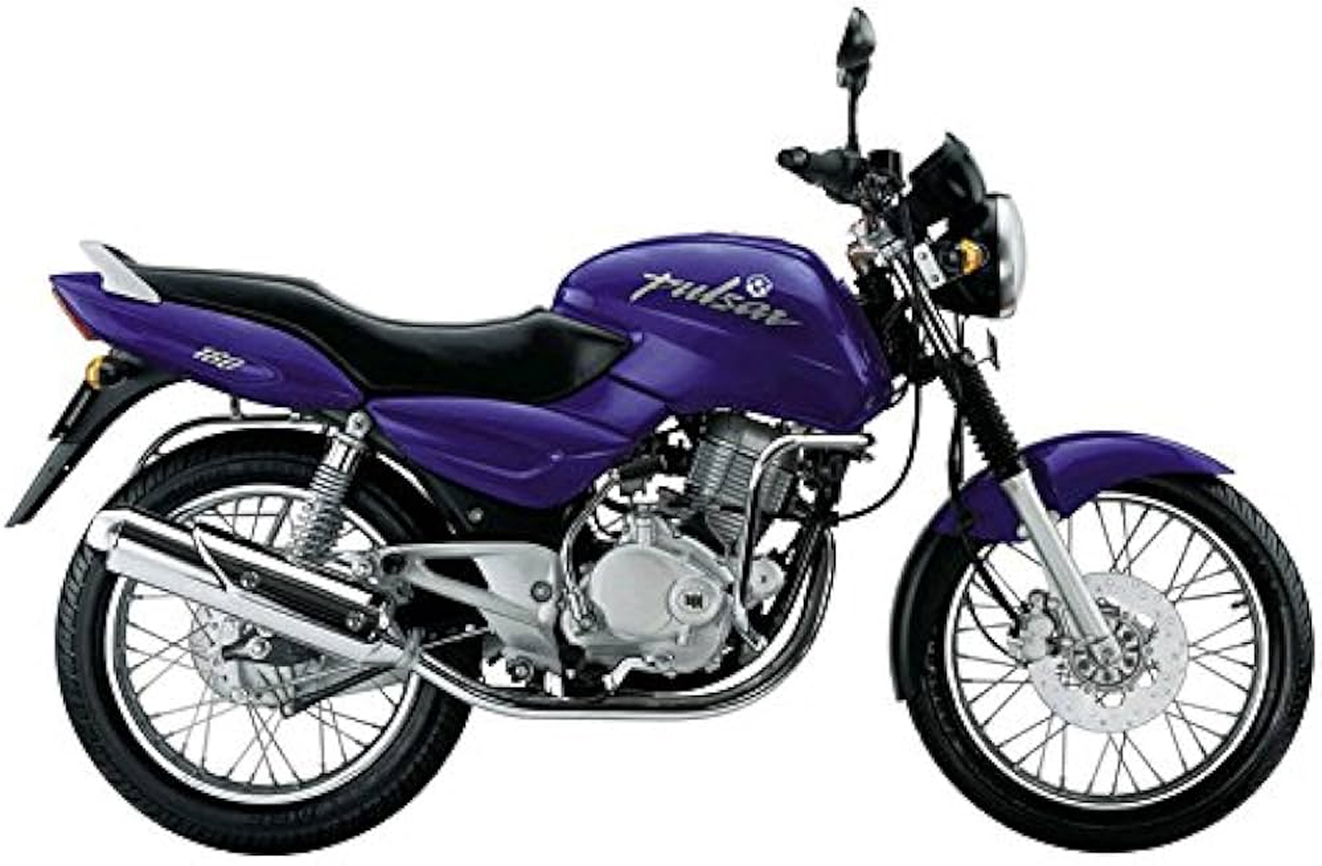
Bajaj Pulsar 150
Electrification and Sustainable Mobility (2020s–Present)
From the early 2020s onward, the Indian two-wheeler market entered a phase of electrification. Electric scooters such as the Ola S1, Ather 450X, Bajaj Chetak EV, and TVS iQube gained popularity, particularly in urban areas. These vehicles focus on reduced emissions, lower running costs, and digital connectivity features such as smartphone integration and software updates. Government incentives and improvements in charging infrastructure have further supported the adoption of electric two-wheelers.
Representative Models
1.Ola S1
2.Ather 450X
3.Bajaj Chetak EV
4.TVS iQube
5.Hero Vida V1
6.Simple One
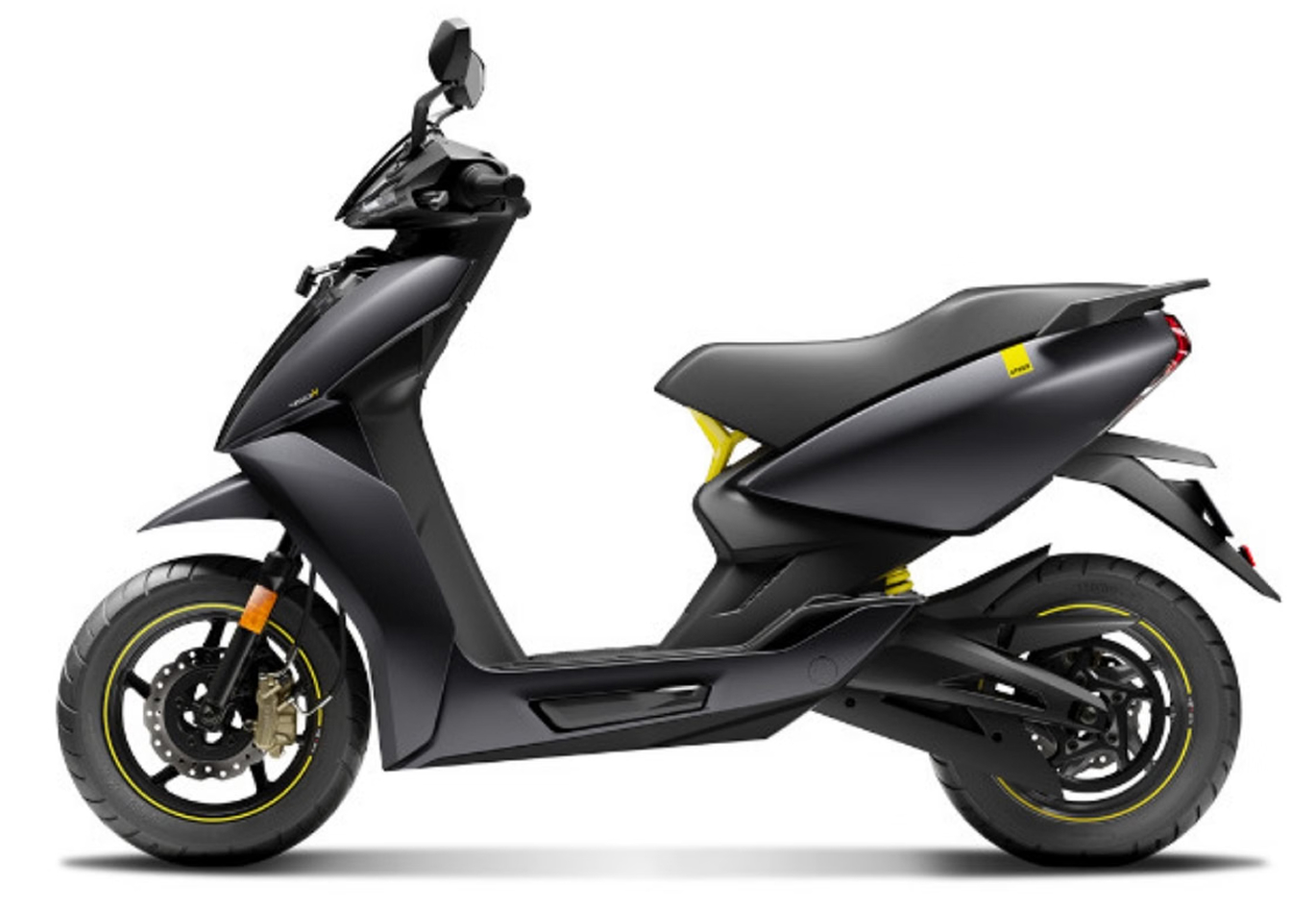
Ather 450 launched in 2020

Previous
MISSING-Pioneers and Innovations that
Shaped Two Wheeler History
Next
The Indian Marketplace: A Complex Crisscross of Opportunities
