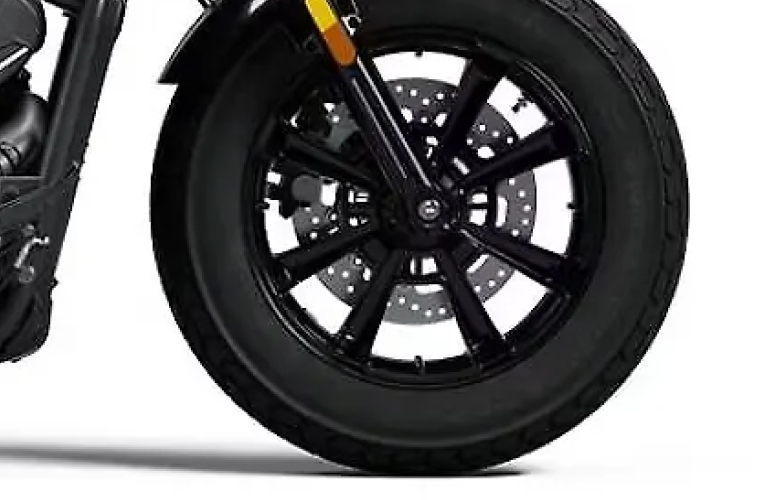
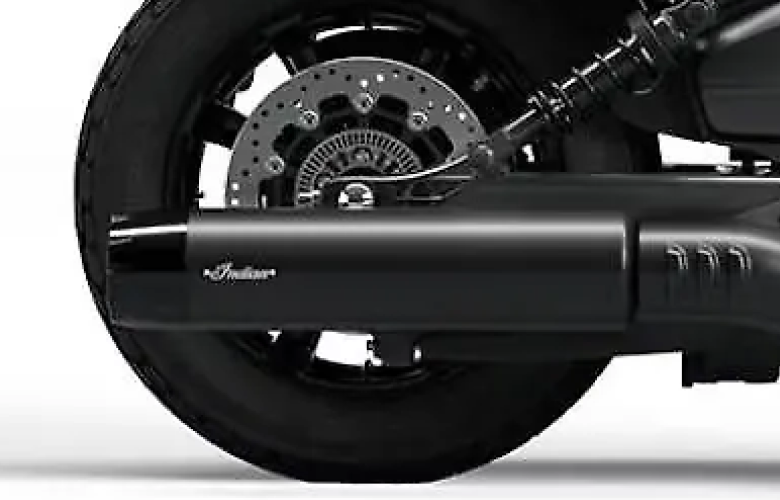
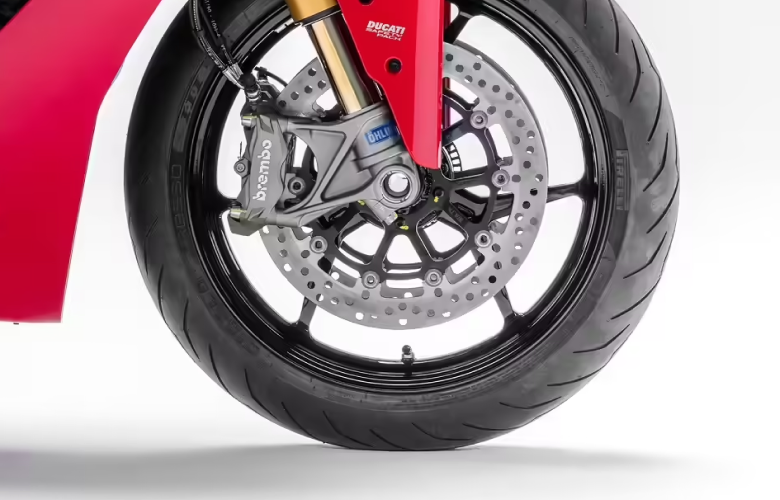
A motorised two-wheeler brake is a system that slows or stops the vehicle by converting kinetic energy into heat through friction. A stationary component applies force to a rotating wheel, reducing speed and bringing the vehicle to a halt. Braking systems are influenced by factors such as required braking force, heat dissipation, cost, and maintenance needs, and may operate independently or in combination on a vehicle.
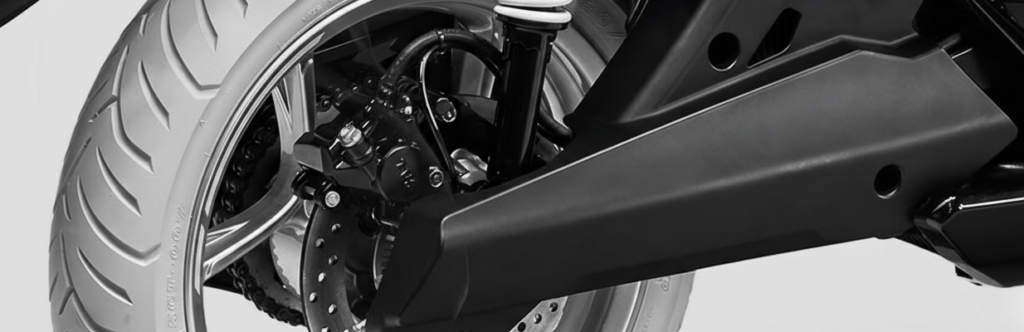
Introduction to Braking Systems
A
A
Historical Perspective
Early Years (1880–1910)
Early motorcycles were essentially motorised bicycles with minimal braking. Riders often slowed by placing a foot on the ground. The Butler Petrol Cycle (1884) used a throttle for speed control and stopped by lifting the rear wheel using a foot lever. Early mechanical solutions included spoon brakes (circa 1902), which pressed a metal plate against the rim, followed by band brakes (circa 1909), which wrapped a contracting band around the wheel rim.
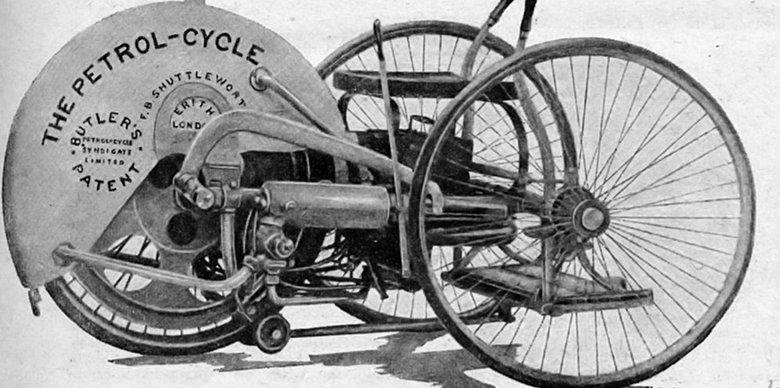
1884-Butler Petrol Cycle
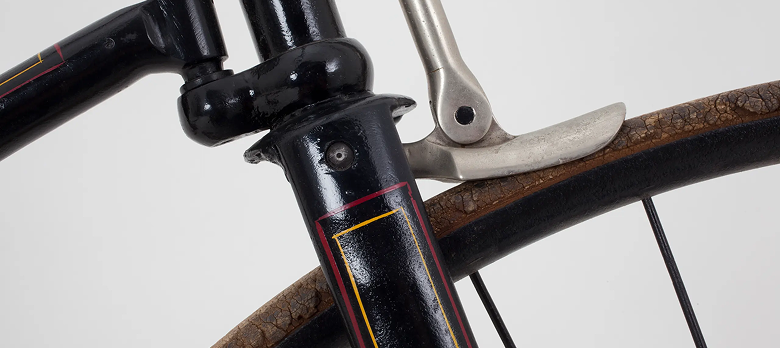
Spoon brake
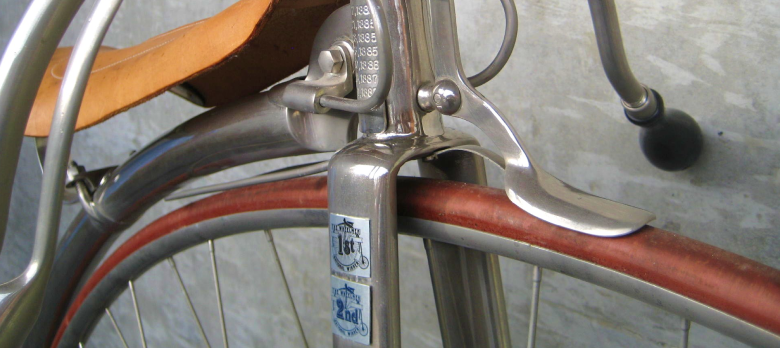
Spoon brake
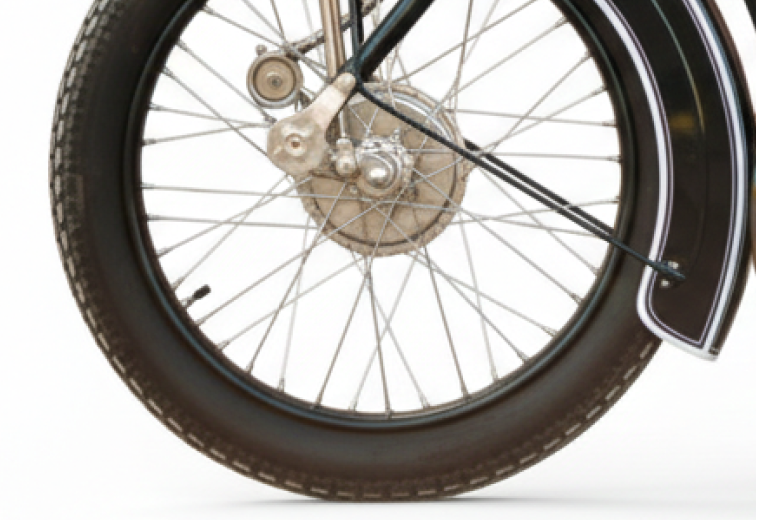
Drum Brakes (1920–1960)
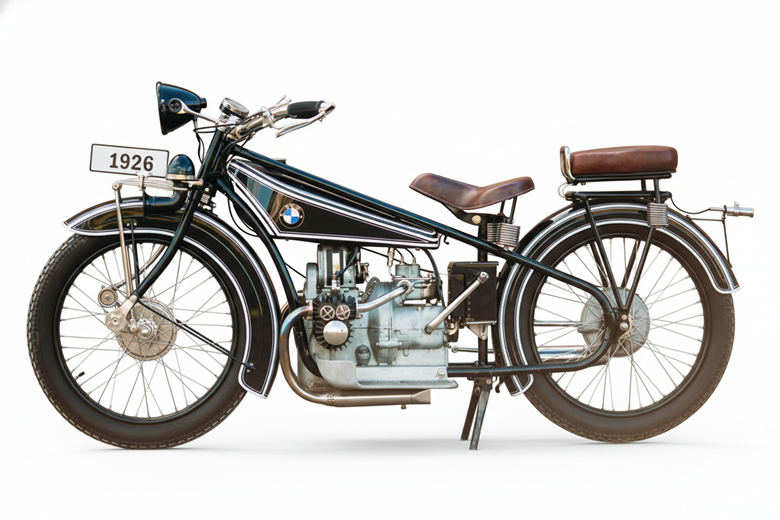
Drum brakes became standard from the 1920s for both front and rear wheels. Brake shoes pressed against the inside of a rotating drum to slow the wheel. While effective, continuous braking could cause overheating and reduced performance. Early BMW motorcycles, such as the 1932 BMW R32, used drum-based systems with hand and heel-operated controls.
1926-BMW R32
Drum Brake
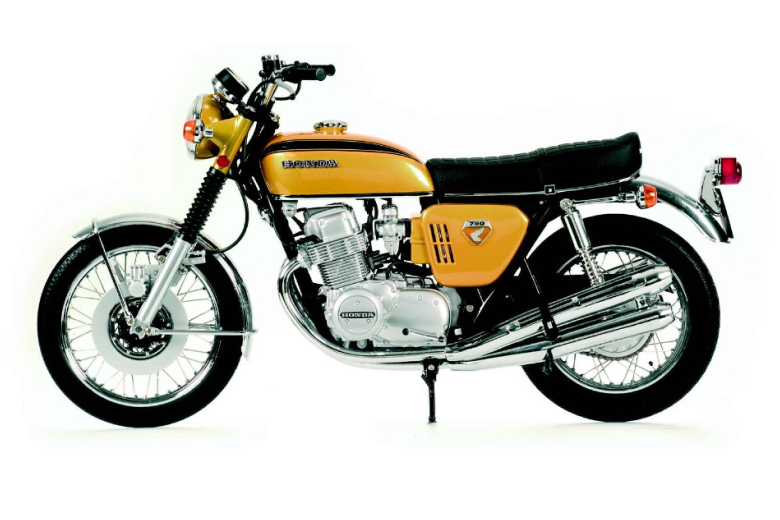
Disc Brakes (1960–Present)
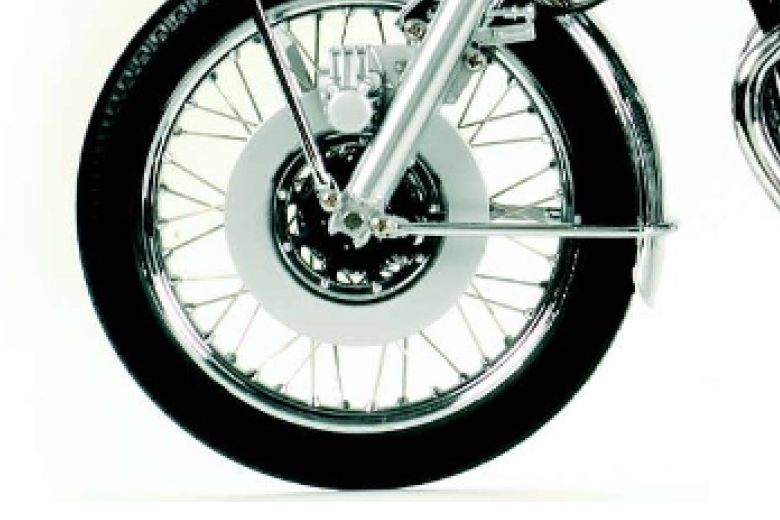
Disc brakes use a rotor fixed to the wheel and a caliper containing pads and pistons. Hydraulic pressure from the master cylinder is transmitted through brake fluid to the caliper, pushing pads against the disc. Many two-wheelers use single-piston floating calipers, where caliper movement engages both pads. Seals prevent leakage and help retract pistons, while disc holes or slots manage heat and water.
1969-Honda CB 750
Front Disc Brake
Overview of the Braking System
A braking system on a motorcycle or scooter slows the vehicle by creating friction at the wheels. It includes the brakes, control mechanisms, and mounting parts. Two common types are drum brakes and disc brakes. The front brake is usually operated by a hand lever, and the rear by a foot pedal. In disc brakes, hydraulic pressure pushes brake pads against a rotating disc to reduce speed. Some modern systems use electronic assistance for better control and stability.

Image description
How do Drum Brakes work
A drum brake is a type of braking system in which a hollow metal drum rotates with the wheel. The braking parts are mounted inside the drum on a fixed backing plate. Curved brake shoes lined with friction material press against the inner surface of the drum to slow the wheel. When the rider applies the brake, a mechanical cam pushes the shoes outward. Springs return the shoes to their original position after braking, while adjusters and seals help maintain proper operation and protect the system from dust.
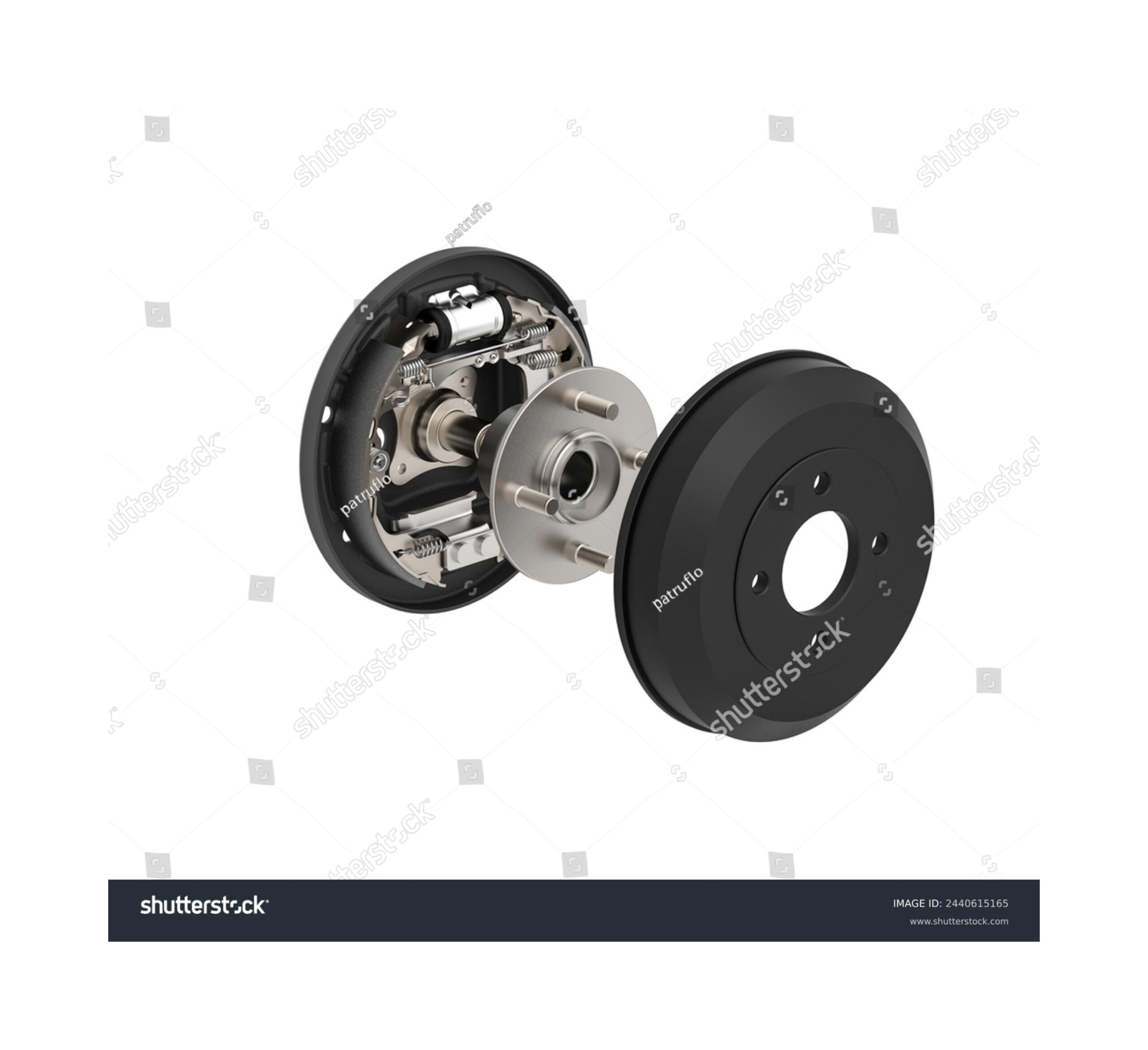
Drum Brake components
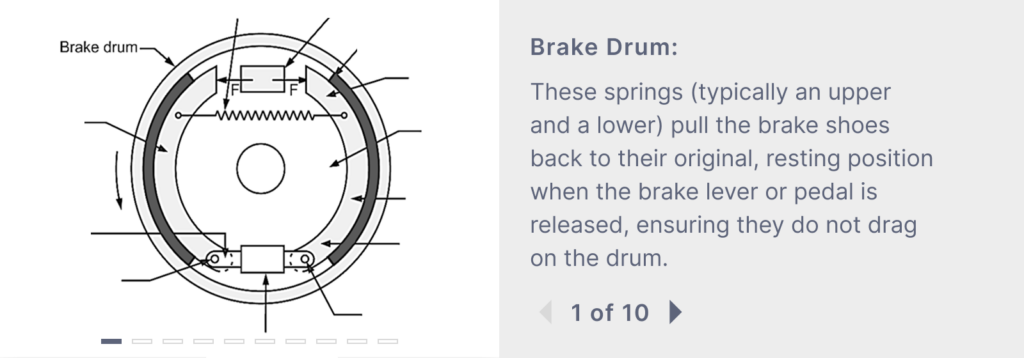
Components of Drum Brake system
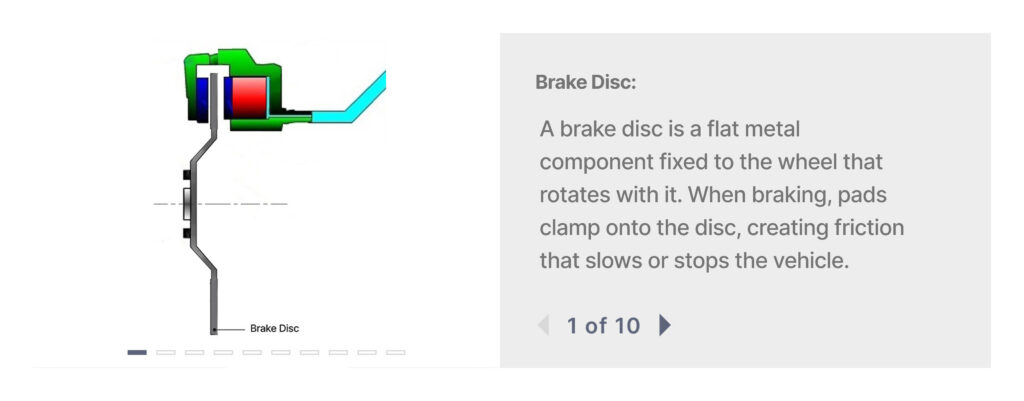
How do Disc Brake work
A disc brake on a motorised two wheeler uses a flat metal disc, called a rotor, that rotates with the wheel. A brake caliper mounted around the disc contains brake pads and hydraulic pistons. When the rider applies the brake, hydraulic pressure pushes the pads against the disc, creating friction that slows the wheel. Holes or slots in the disc help manage heat and water, while seals ensure smooth operation and prevent fluid leakage.
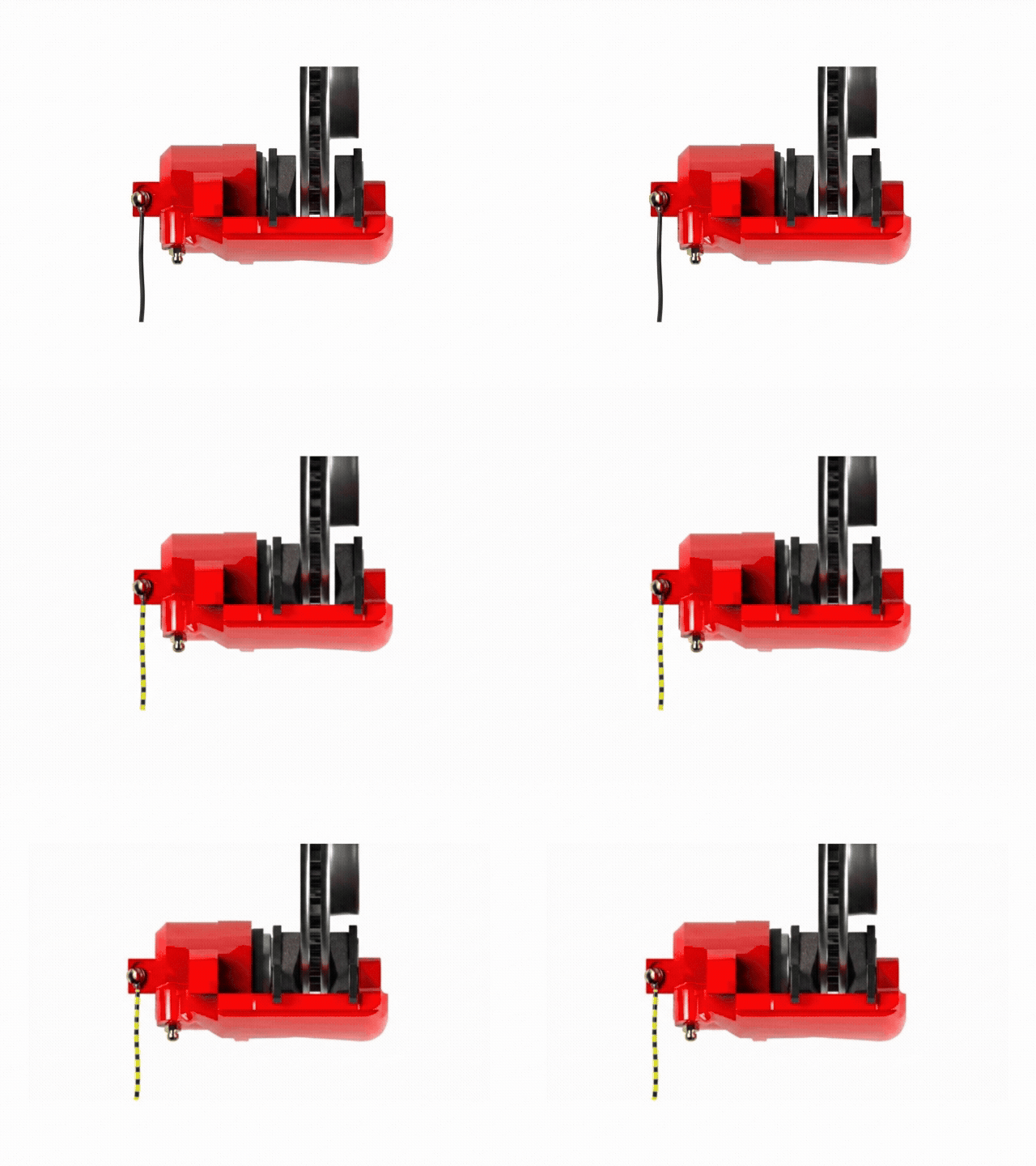
Working of a Disc Brake
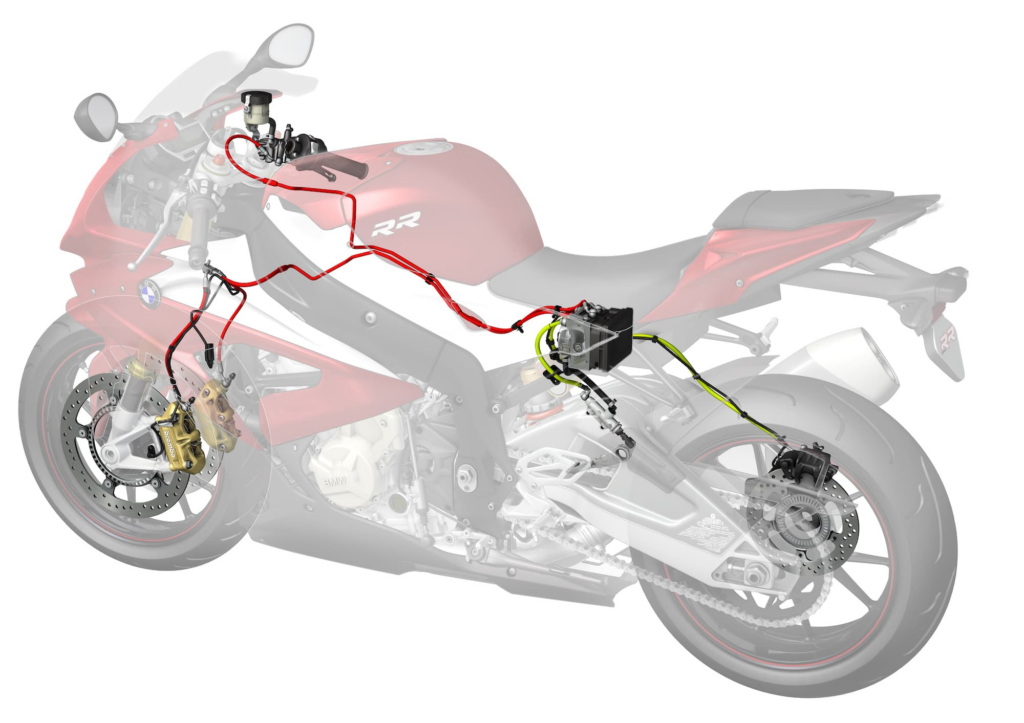
Components of Disc Brake system
Disc Brake system
Image description
Other Braking Concepts
Modern two-wheelers use additional technologies to improve safety and efficiency. Combined Braking Systems (CBS) distribute braking force between wheels for balanced deceleration. Anti-lock Braking Systems (ABS) prevent wheel lock-up during hard braking, maintaining steering control. Electric two-wheelers use regenerative braking to recharge batteries during deceleration. Advanced systems include brake-by-wire and motorcycle-specific ADAS, which assist with collision warnings and automatic braking.
Different types of vehicles and their braking systems
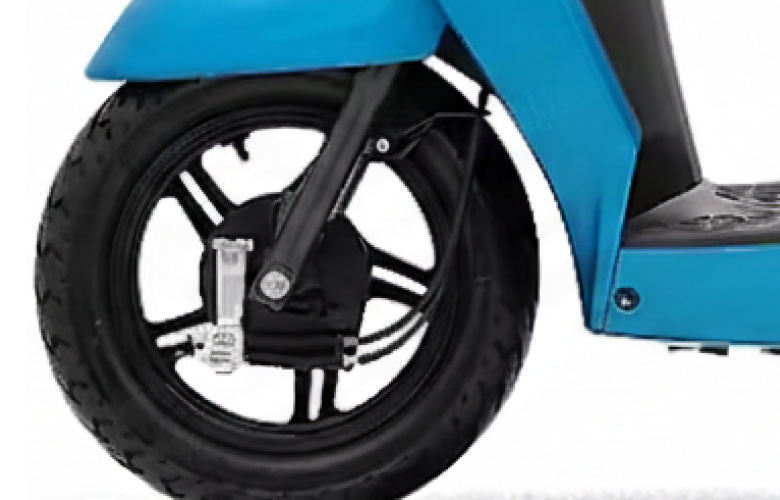
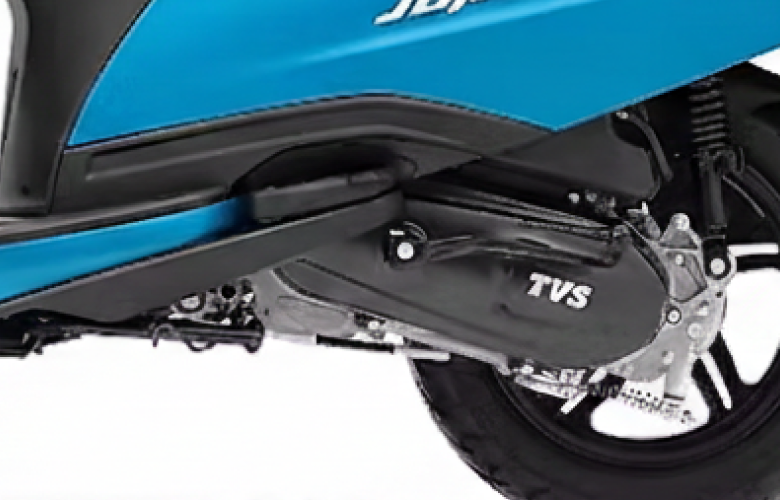
Scooters and mopeds usually use drum brakes, especially at the rear, with front disc brakes becoming more common on newer models. These vehicles are designed mainly for low-speed city riding, so the braking system is kept simple, cost-effective, and easy to maintain. Combined Braking Systems are often added to help balance braking between the front and rear wheels, making them safer and more forgiving for everyday riders.
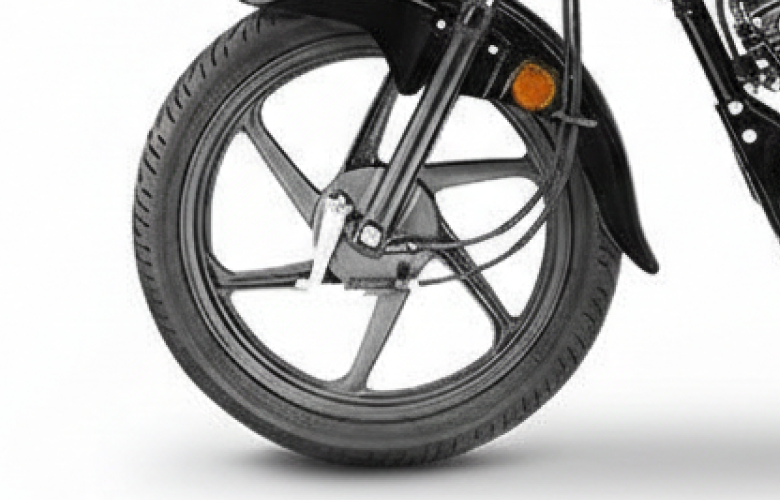
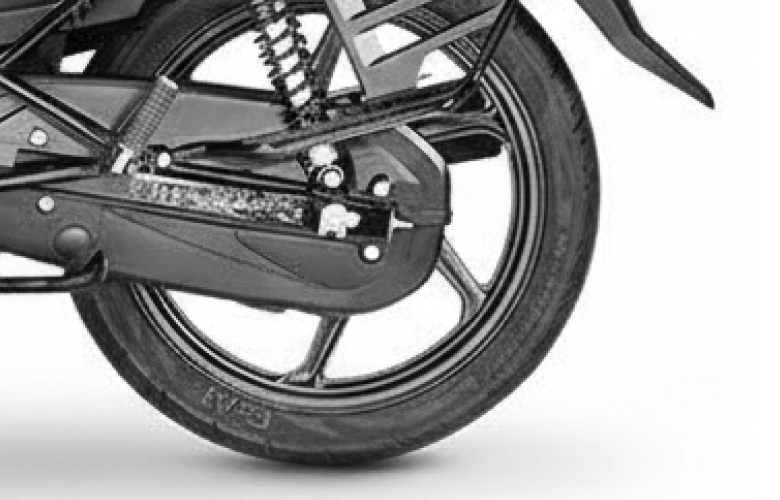
Commuter motorcycles typically use a front disc brake and a rear drum brake. This combination offers a good balance between performance and affordability, since most braking force comes from the front wheel while the rear provides support and stability. Many modern commuter bikes also include ABS, which improves safety during sudden or panic braking, especially on wet or uneven roads.
Cruiser and touring motorcycles are heavier and have longer wheelbases, so they need stronger and more consistent braking. These bikes commonly use disc brakes at the front and either a disc or drum at the rear, with ABS often included as standard. Because more weight shifts to the rear during braking compared to sport bikes, the rear brake plays a bigger role, and powerful disc brakes help manage the bike’s mass and cruising speeds.
Sport bikes are designed for high speeds and aggressive riding, so they use high-performance braking systems. These usually include dual disc brakes at the front, a single disc at the rear, and advanced multi-piston calipers for strong, precise braking. ABS is standard, and the setup focuses on maximum stopping power, heat control, and sharp braking response, since most braking force comes from the front wheel.
Electric two-wheelers use either disc or drum brakes, similar to conventional bikes, but they are supported by regenerative braking. When the rider slows down, the electric motor helps decelerate the vehicle while converting motion back into electrical energy to recharge the battery. This reduces wear on the mechanical brakes and improves overall efficiency while still providing familiar braking feel.
Scooters/ Mopeds
Adequate for low-speed city traffic. Disc brakes significantly improve safety for sudden stops. CBS helps compensate for a rider's potential improper use of independent brakes.
Image description
Image description
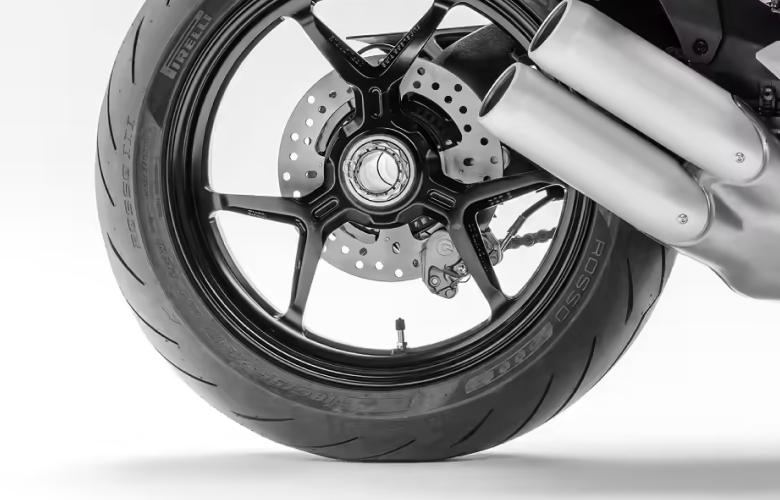
Rear brake: Mostly drum brakes
Front brake: Disc brakes increasingly common
Braking aid: Combi Braking System (CBS)
Commuter Motorbikes
The disc and drum brake combination provides a practical balance between cost and performance for everyday use. The front disc brake supplies most of the braking force (about 70%), while the rear drum brake provides additional support and stability.
Honda Dream Neo
Rear Drum Brake
Front brake: Disc brakes
Rear brake: Drum brakes
Braking aid: Optional ABS ( Anti-lock Braking system) on new models
Cruisers/ Touring Motorbikes
Heavier weight and longer wheelbases require stronger braking. More weight is biased rearward, so the rear brake plays a larger role in stopping compared to sport bikes. Consistent disc brakes are essential for controlling mass and speed.
Image description
Front brake: Dual or Single Disc
Rear brake: Single Disc or drum
Braking aid: ABS is often standard
Sportbikes
The disc and drum brake combination provides a practical balance between cost and performance for everyday use. The front disc brake supplies most of the braking force (about 70%), while the rear drum brake provides additional support and stability.
Image description
Image description
Front brake: Disc brakes
Rear brake: Drum brakes
Braking aid: Optional ABS ( Anti-lock Braking system) on new models
Electric scooter
The disc and drum brake combination provides a practical balance between cost and performance for everyday use. The front disc brake supplies most of the braking force (about 70%), while the rear drum brake provides additional support and stability.
Image description
Image description
Front brake: Disc brakes
Rear brake: Drum brakes
Braking aid: Optional ABS ( Anti-lock Braking system) on new models
Electric Commuter Motorbike
The disc and drum brake combination provides a practical balance between cost and performance for everyday use. The front disc brake supplies most of the braking force (about 70%), while the rear drum brake provides additional support and stability.
Image description
Image description
Front brake: Disc brakes
Rear brake: Drum brakes
Braking aid: Optional ABS ( Anti-lock Braking system) on new models
Electric Sportsbike
The disc and drum brake combination provides a practical balance between cost and performance for everyday use. The front disc brake supplies most of the braking force (about 70%), while the rear drum brake provides additional support and stability.
Image description
Image description
Front brake: Disc brakes
Rear brake: Drum brakes
Braking aid: Optional ABS ( Anti-lock Braking system) on new models