A Definitive Guide to Motorised Two Wheelers

Color, Material and Finish in Two Wheeler Design

A A

Overview

CMF is a term that most commonly refers to Colour, Material & Finish, a specialization in industrial design that focuses on a product's aesthetic and tactile qualities. In the domain of Two wheeler design CMF may also include a suffix, ‘G’ (for Graphics), which makes it CMFG in many cases.

CMF is a critical part of industrial design that determines a vehicle’s aesthetic, feel, and overall quality. 

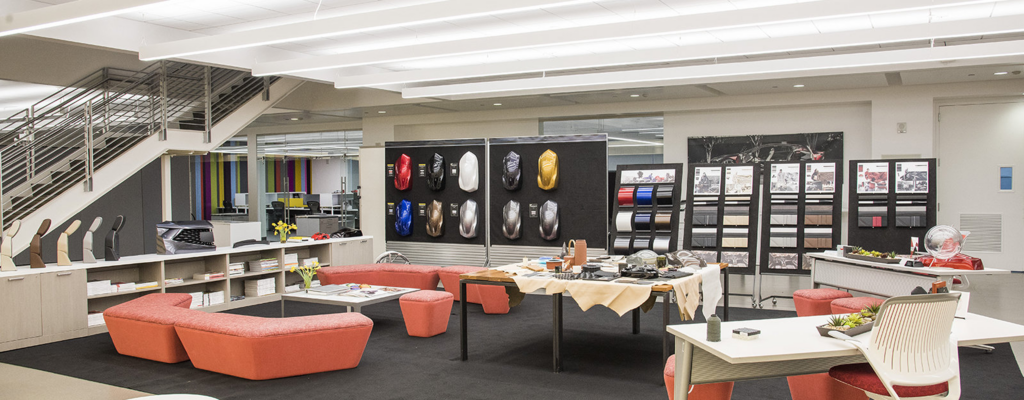
CMF designers consider everything from paint colors and finishes to the textures of plastics and fabrics, and also include "Graphics" to create an integrated design approach called CMFG. This role involves extensive trend research, material sourcing, and collaboration to ensure the final product is both visually appealing and functionally sound, often with the goal of conveying a specific brand identity and customer experience.
Key aspects:

Key aspects1
Key aspects2
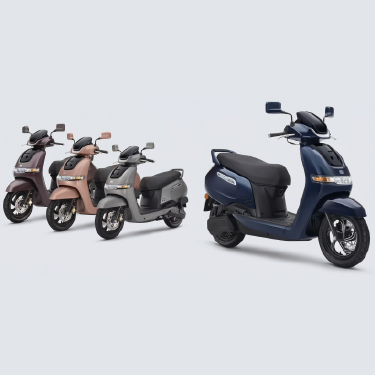
Colour

Off-road bikes use long-travel suspension with USD forks and a high-clearance monoshock with linkage, allowing wide compression and extension to absorb jumps and rough terrain, improving control, comfort, and durability in demanding conditions for off-road riding.

Material

Focuses on selecting materials for various components of a vehicle. This includes considering factors like texture, durability, sustainability and the sense of quality or luxury they provide.

Colors can evoke specific emotions, define a vehicle's personality, brand identity and match consumer preferences.

Finish

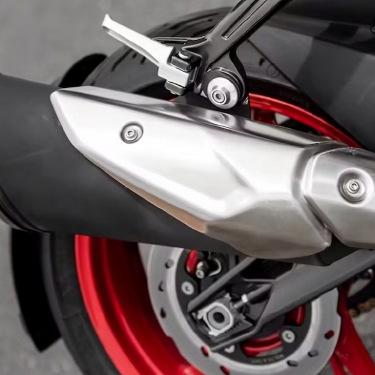
Refers to the final surface treatment of materials, such as a Matte/satin or glossy finish on a paint, a matte texture on a plastic part, or a brushed metal look on a trim piece. The finish enhances the aesthetic and tactile qualities of the material as well as the visual appeal. 

Graphics

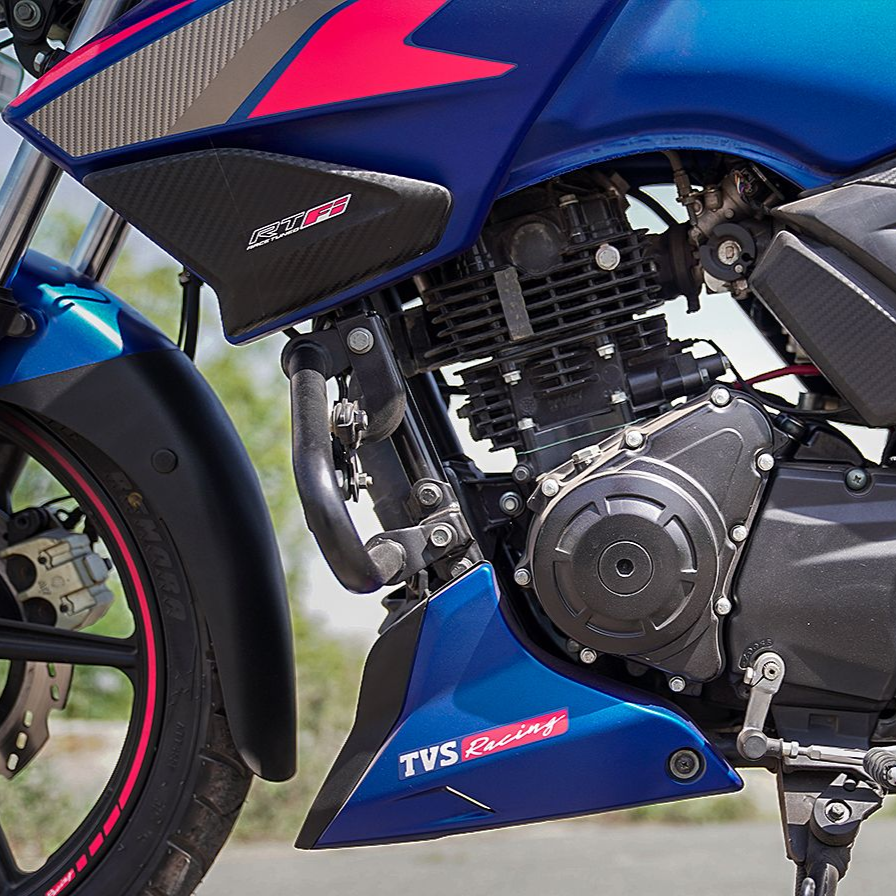
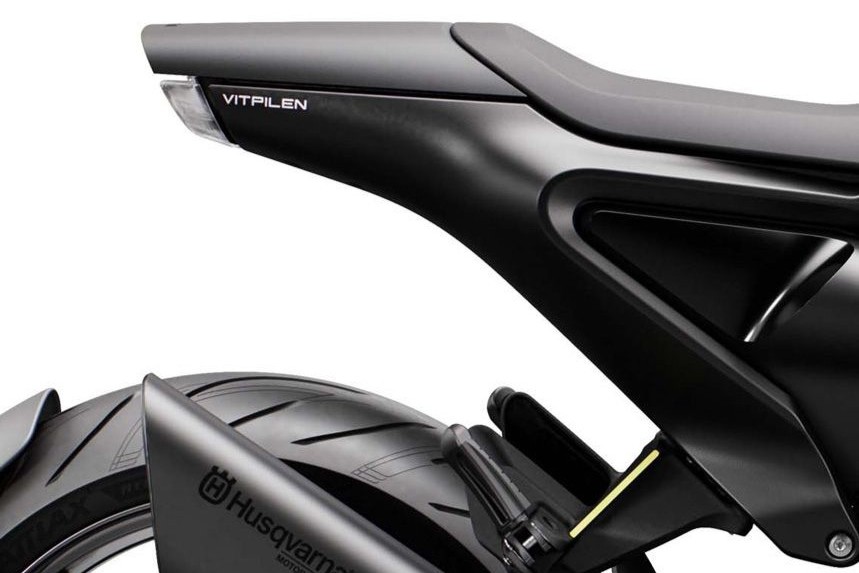
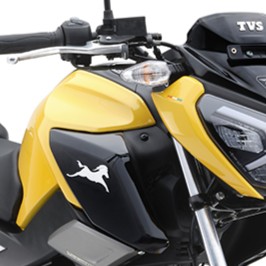
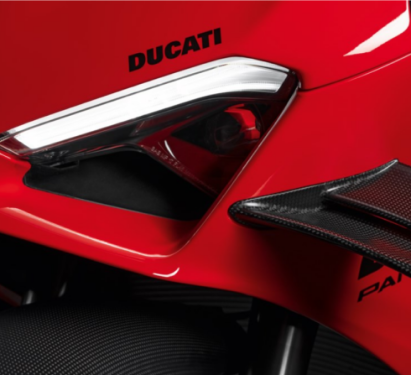
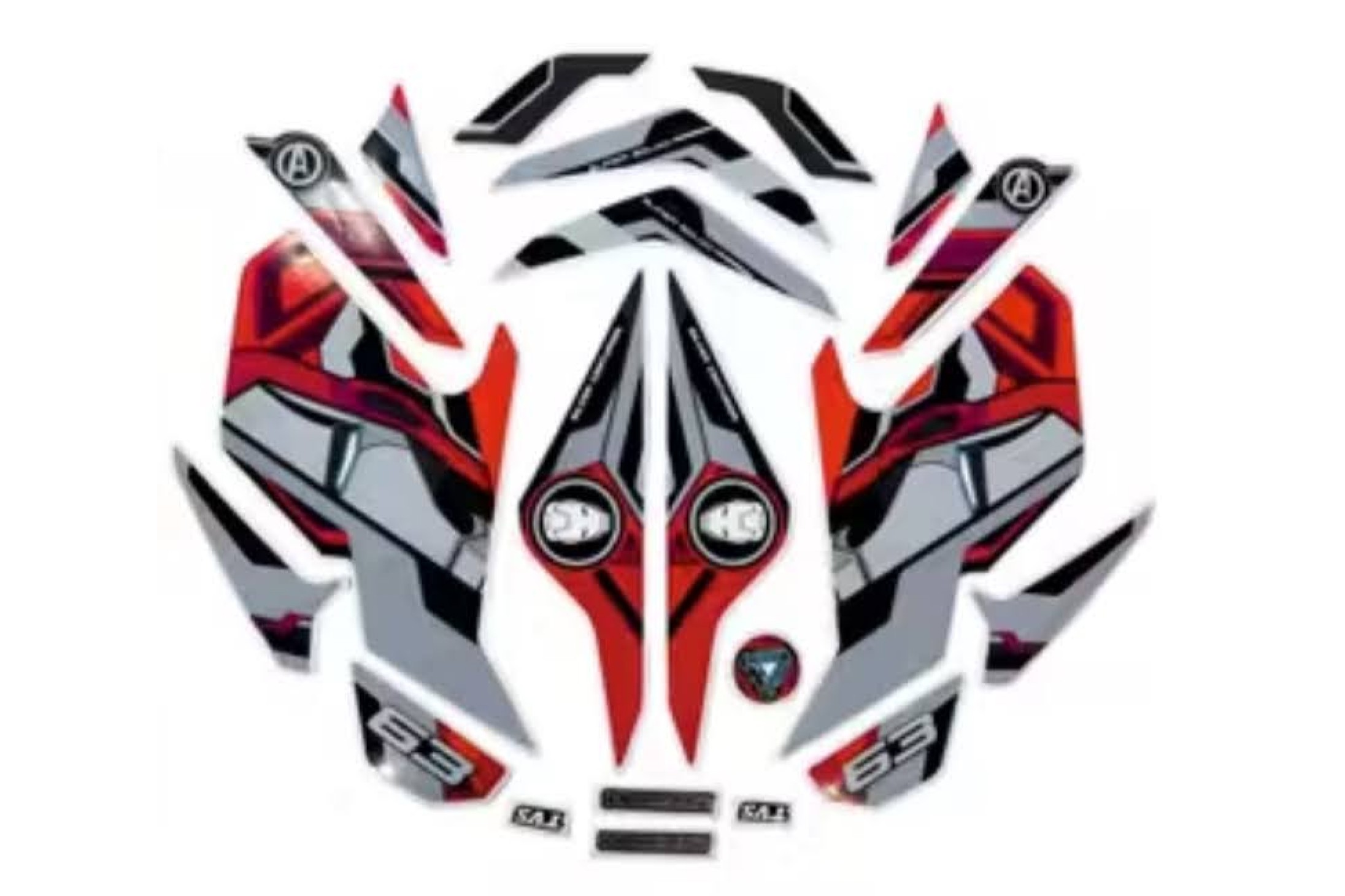
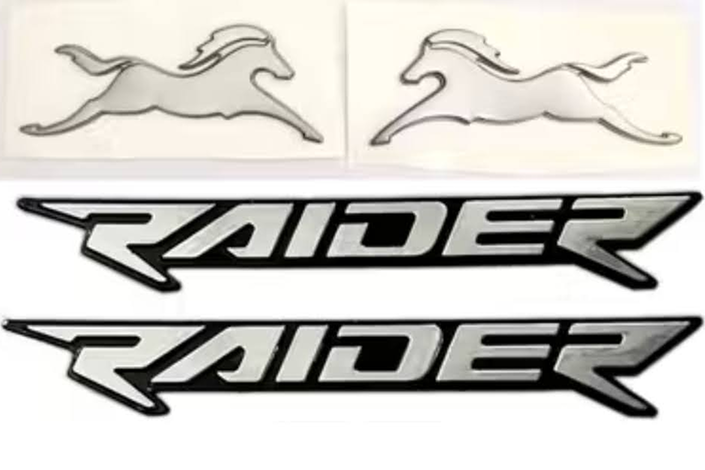
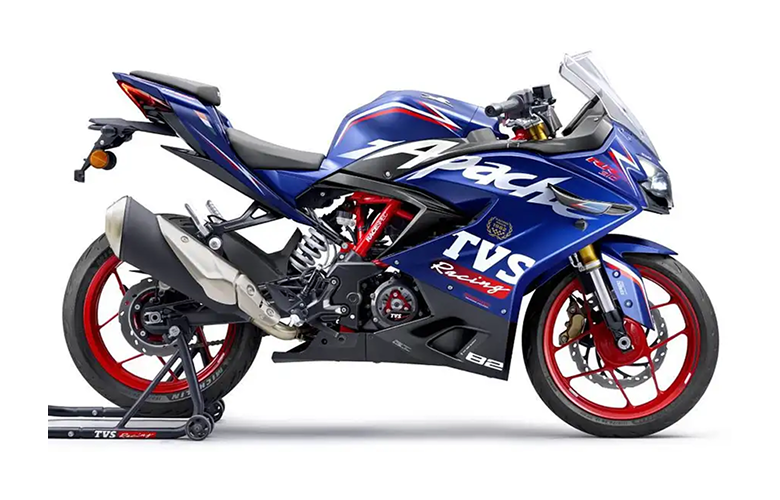
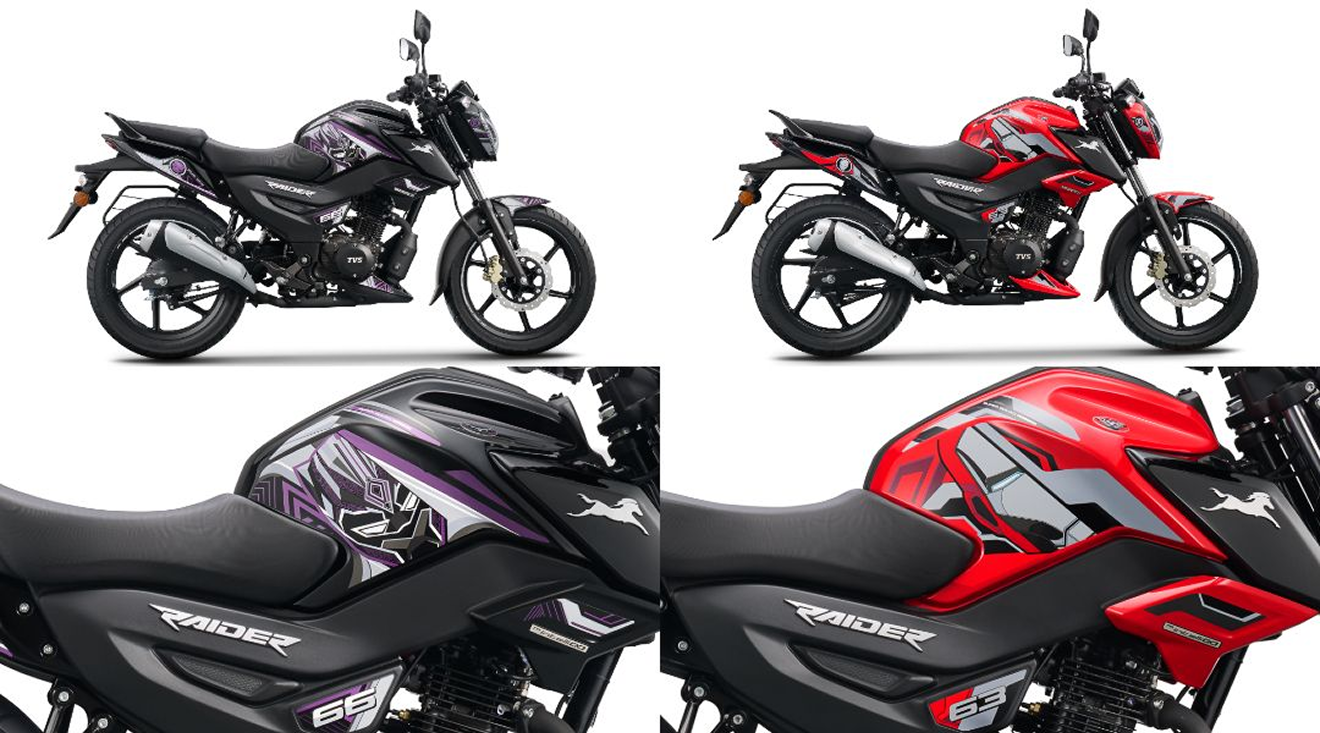
Covers the design and development of Decals/logos/type phases/brand names etc for a vehicle. Applying decals also presents several challenges in two-wheeler manufacturing, and overcoming them requires specialised skills tailored to the decal’s geometry and the surface characteristics.

Historical Perspective

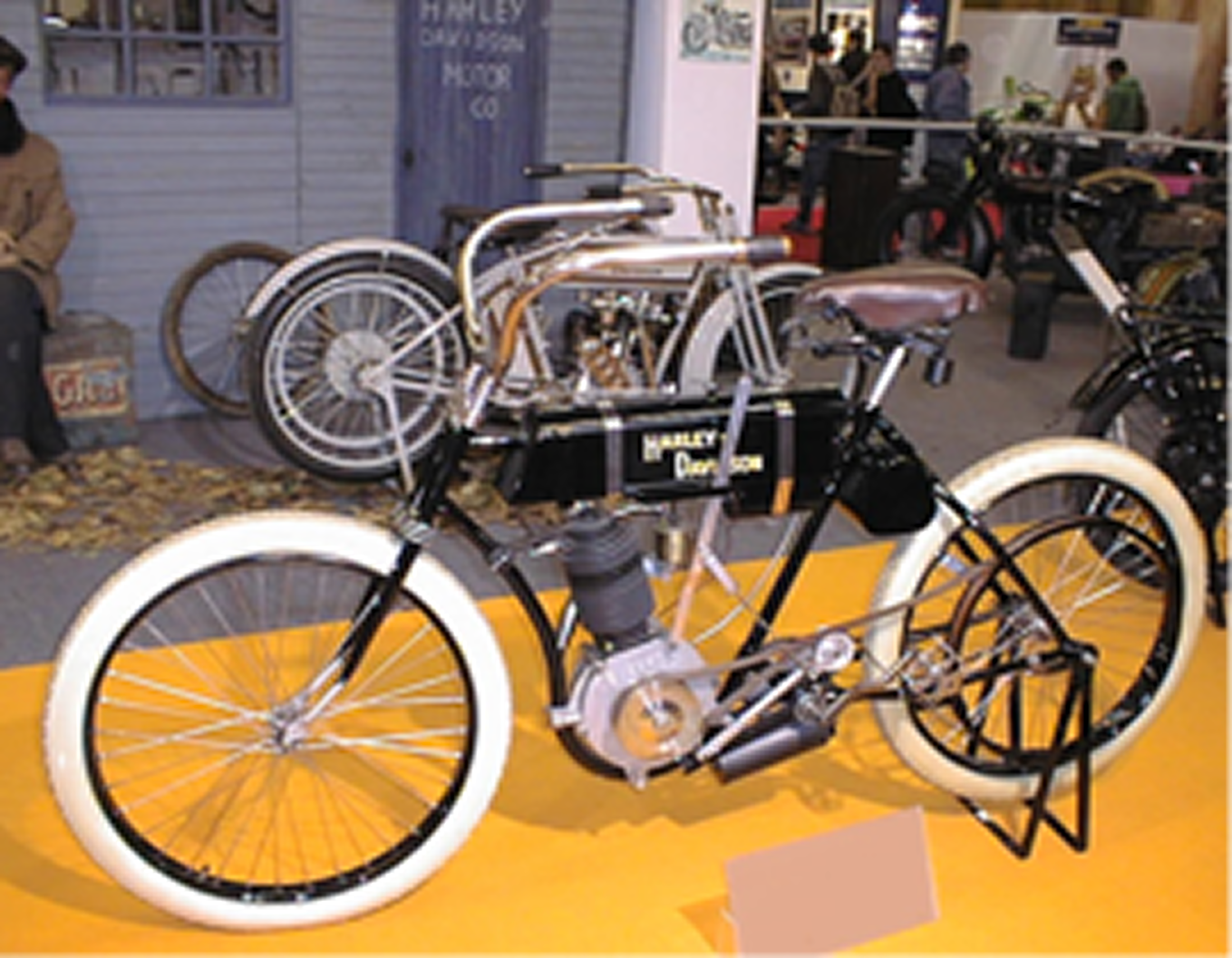
The evolution of Color, Material, and Finish (CMF) in motorcycle design has shifted from utilitarian, heavy materials with simple finishes to a diverse range of lightweight, advanced materials and dynamic finishes that cater to performance, aesthetics, and rider self-expression. 

Classic Era (Late 19th Century to Mid-20th Century)
Materials

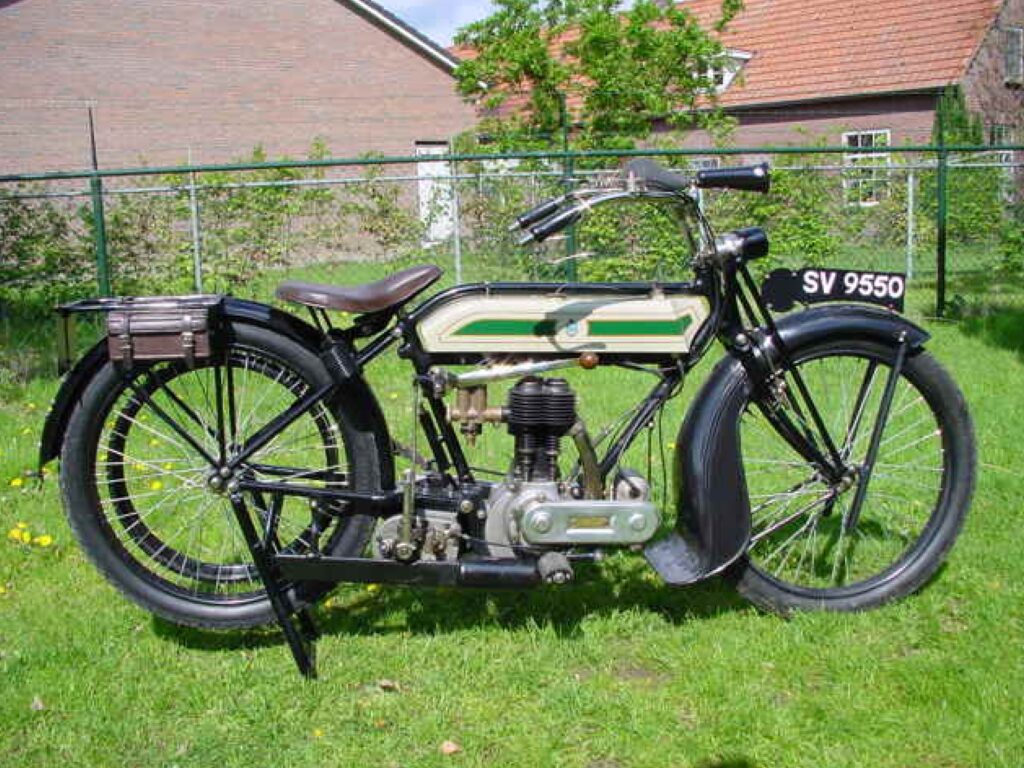
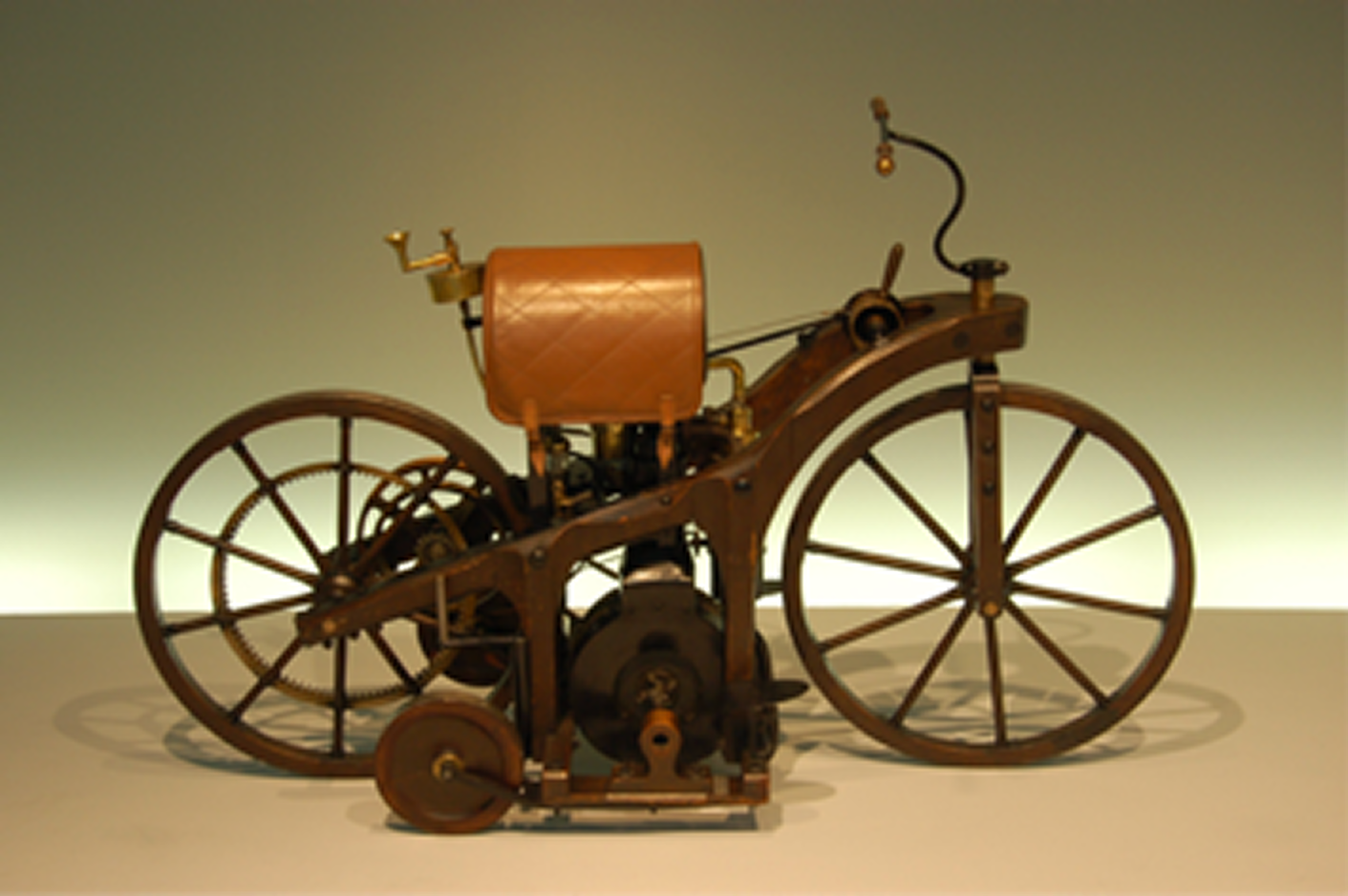
Early motorcycles primarily used heavy, durable materials like high-tensile steel frames and various metal components.

Finishes

The finishes were largely functional. Nickel electroplating was common until the 1920s when it was replaced by chrome plating to provide wear resistance and a high luster finish. Paint colors were often simple and practical, with military bikes during wartime using drab olive, black, or white paints.

Aesthetics

The focus was on function and reliability, with exposed mechanical components, spoked wheels, and basic, single-color paint jobs. 

Modern Era (Late 20th Century to Present)
Materials

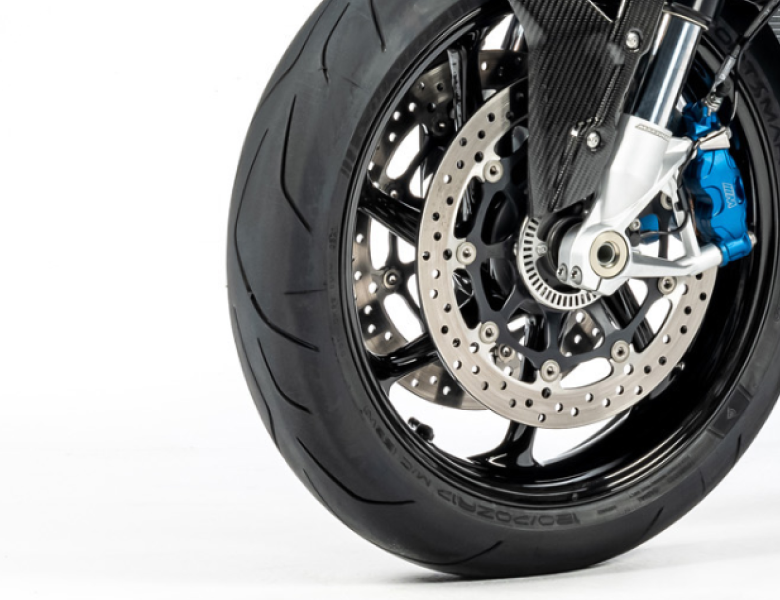
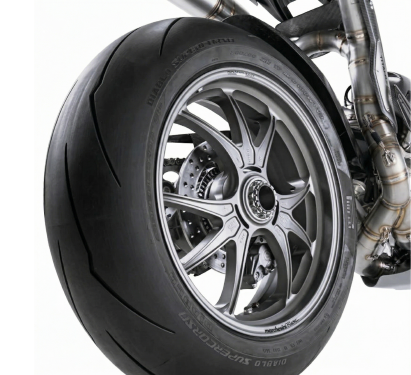
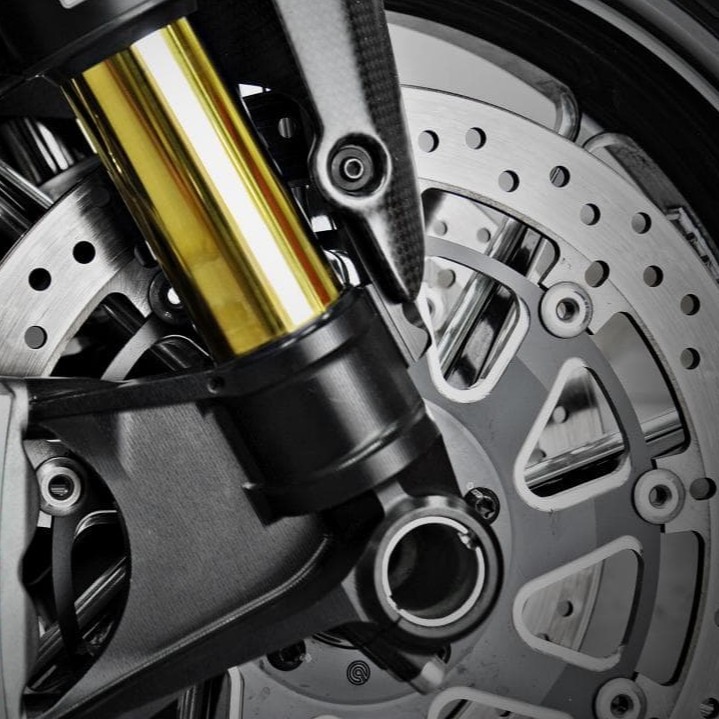
The demand for performance and efficiency led to a shift towards lightweight materials, such as aluminum alloys and, in high-end models, carbon fiber. These materials offer improved handling and speed.

Image description
Finishes

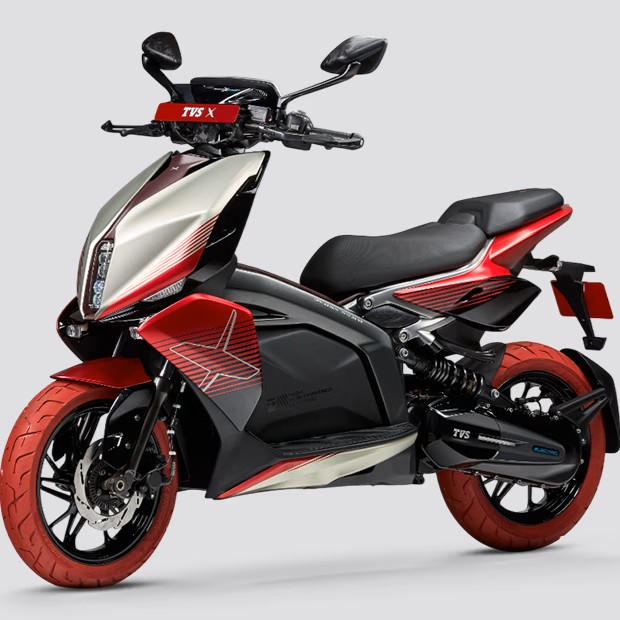
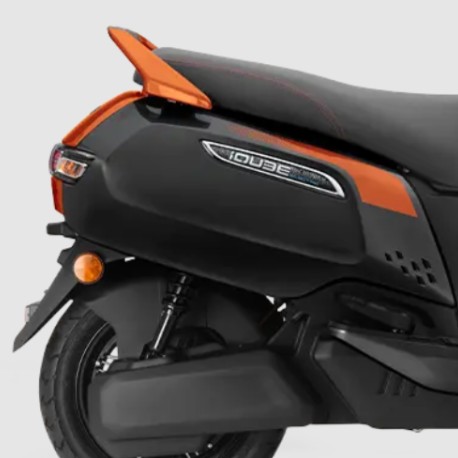
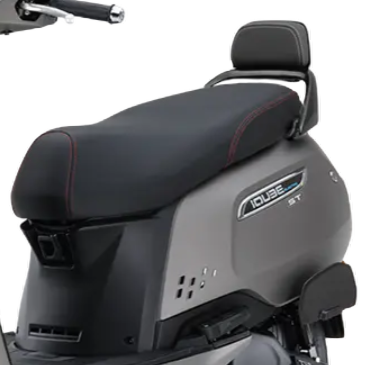
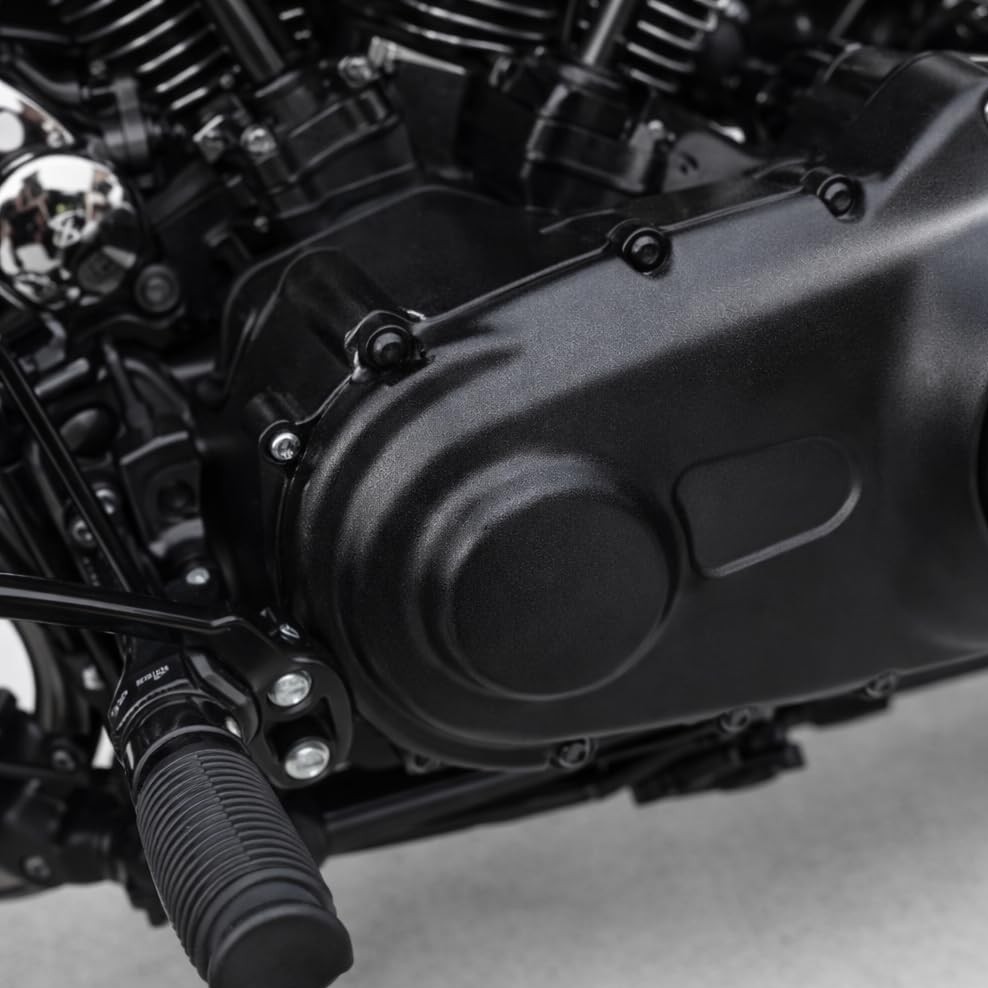
Finish options have expanded dramatically. While chrome is still used, especially on cruisers, matte finishes have gained popularity for their modern, subtle aesthetic that highlights a bike's form. Glossy, high-impact colors and advanced coating systems are also prevalent, often with complex graphic designs and decals.

Image description
Aesthetics

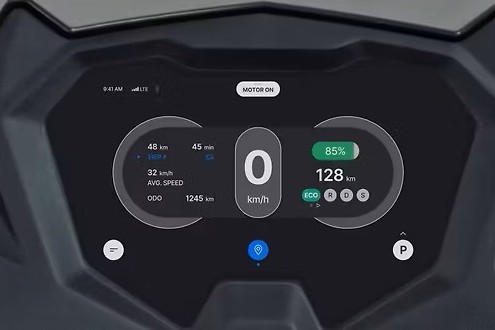
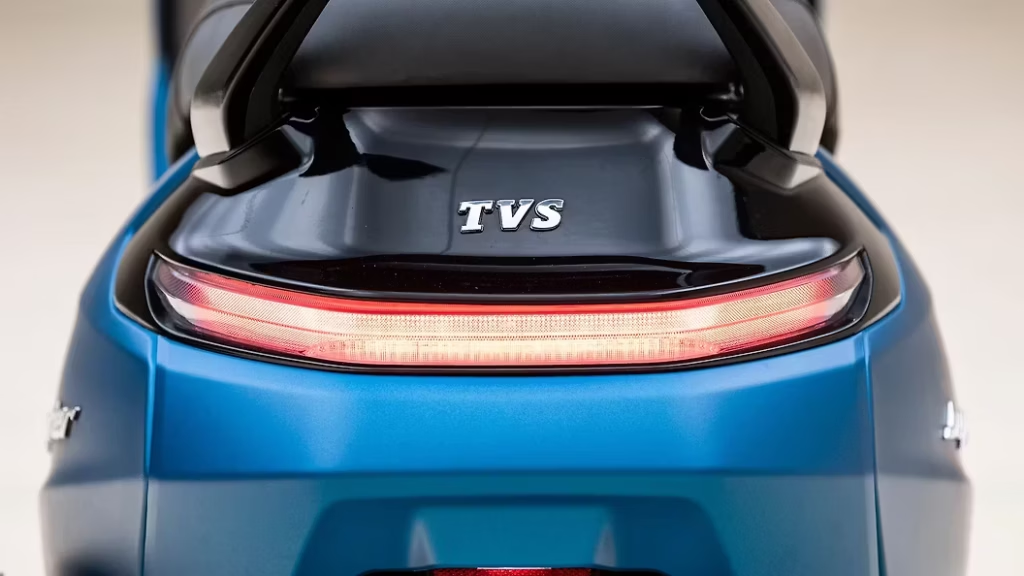
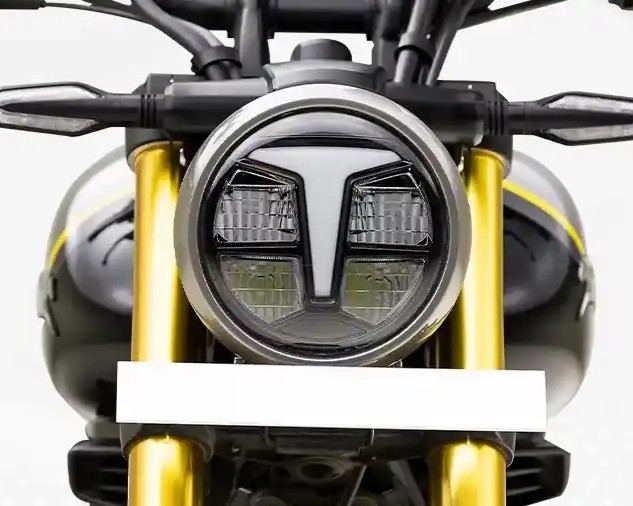
Modern design incorporates sleek, aerodynamic lines, often driven by performance needs, with integrated LED lighting and digital instrument clusters. There is a greater emphasis on brand identity and the ability for riders to customize their vehicles to reflect personal style.

Image description

Future Trends

CMF design is increasingly influenced by technology and sustainability. Future trends include the use of responsibly sourced and eco-conscious materials (e.g., alternative leathers, advanced composites), dynamic illumination, and AI-driven customization options that engage multiple senses to enhance the riding experience. 

Components of CMF

Historical significance

When vehicles were first invented (pre 1900), modern auto paints were simply not available. Instead, people hand painted their cars using brushes and paint that they could purchase at their local stores. Because the paint faded and flaked away very quickly, many people would repaint their cars every year. Around 1900, automakers used the same varnishes that were used for carriages.

Image description

Black was by far the most popular color because it didn’t show dirt and it was easy to keep clean. Black was also the most widely available and least expensive pigment. White was popular among rich people who wanted to show off their status. Gray was considered to be neither here nor there as it wasn’t flashy like white and it wasn’t even as practical as black. Applying paint could take as long as 40 days for each vehicle, and after it dried, it had to be sanded and polished.

This caused a terrible production bottleneck for Ford’s innovative mass production process, even though the black paint dried faster than all other available colors. Model Ts undergoing the painting process at the end of the assembly line jammed warehouse floors of the automotive plant.)This process bottleneck was the motivation for the first paint specifically developed as an automotive coating: DuPont Company’s “Duco” paint. This new coating technology made a step change in productivity by reducing the painting and drying time from many days to a few hours.

Color

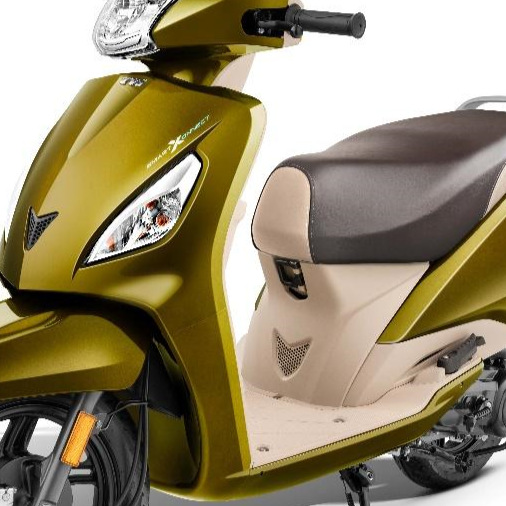
Colour applies to each and every visible part of the vehicle and is a very powerful design tool. It influences how a vehicle is perceived highlighting its form, proportions and overall character. A well-chosen colour can emphasize key design features, create visual harmony or convey a sense of speed, strength or elegance hence competitive market. Beyond aesthetics, playing a crucial role in creating brand identity by making the vehicle stand out in a

Image description

colour impacts emotional connection, shaping how customers relate to and remember a vehicle. In modern mobility design, colour works alongside materials and finishes to create a cohesive and memorable user experience.
Paint

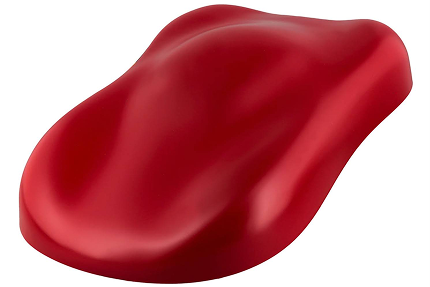
Automotive paint is a protective and decorative coating for vehicles, designed to shield the vehicle's body from rust, corrosion and environmental damage while also enhancing its appearance. It is typically a water-based polyurethane enamel, composed of pigments for color, binders for adhesion, solvents to aid application, and additives for properties like UV resistance. Paint Prevents rust and protects the

Image description

metal from moisture and other corrosive elements. Paint also withstands daily wear and tear, weather, and other environmental factors.

Image description
Color Communication

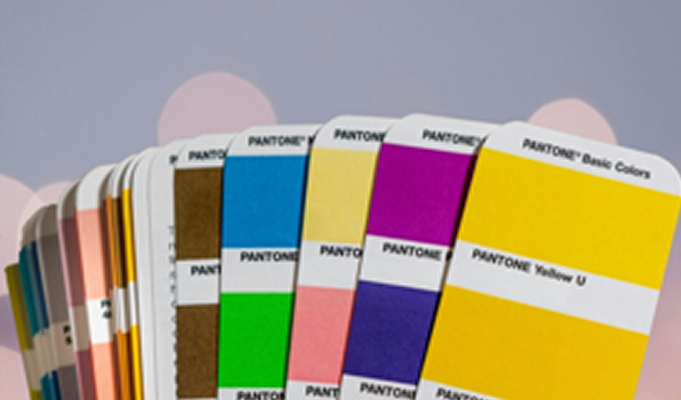
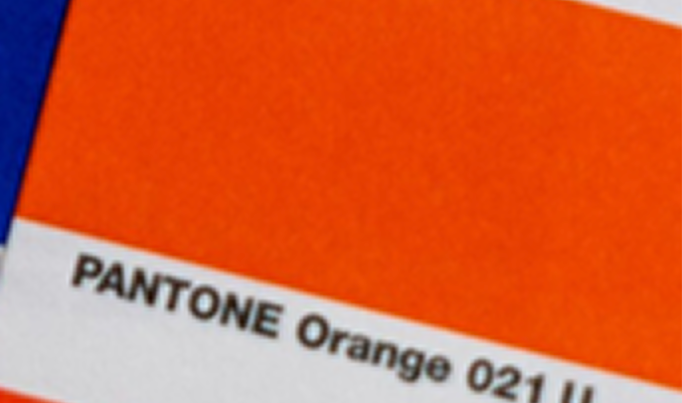
Pantone represents colors through a standardized system that assigns a unique number to each color, ensuring consistent and accurate reproduction across different materials and industries. This is achieved by using a specific formula of primary pigments for a given color, which is vital for design and printing consistency, especially when a brand's color must be exact worldwide.

There are also other similar standardized colour systems (Eg: RAL) to ensure clear communication of each and every shade

Color Communication1
Image description
Color Communication2
Image description
Material

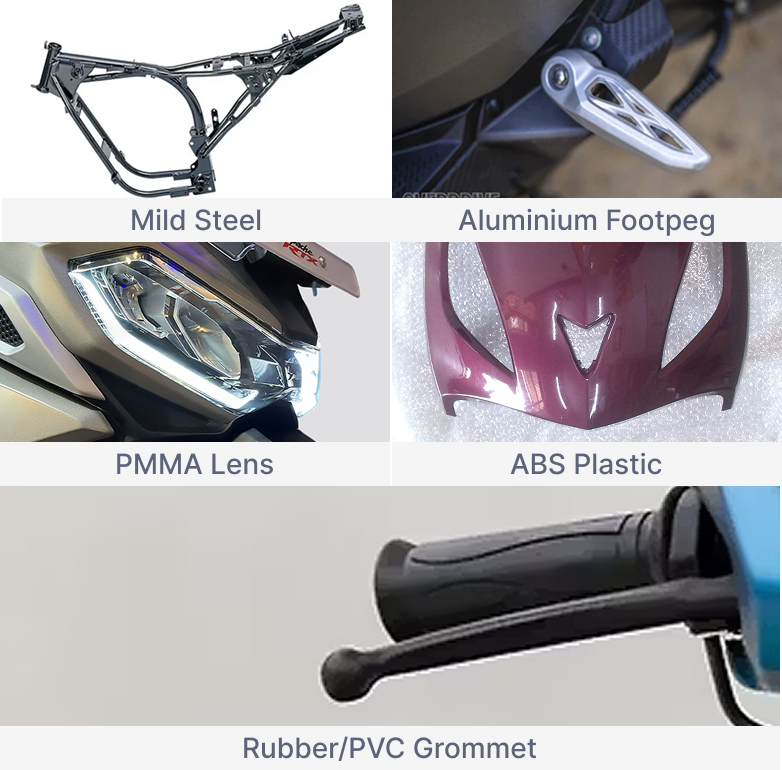
Automotive materials include a mix of metals like steel, aluminum, and magnesium, alongside plastics, composites, and rubber, selected for properties like strength, weight, durability, and cost. Modern vehicles use advanced high-strength steels for safety and lightweight aluminum for fuel efficiency, while electric vehicles drive the need for even more lightweight materials.

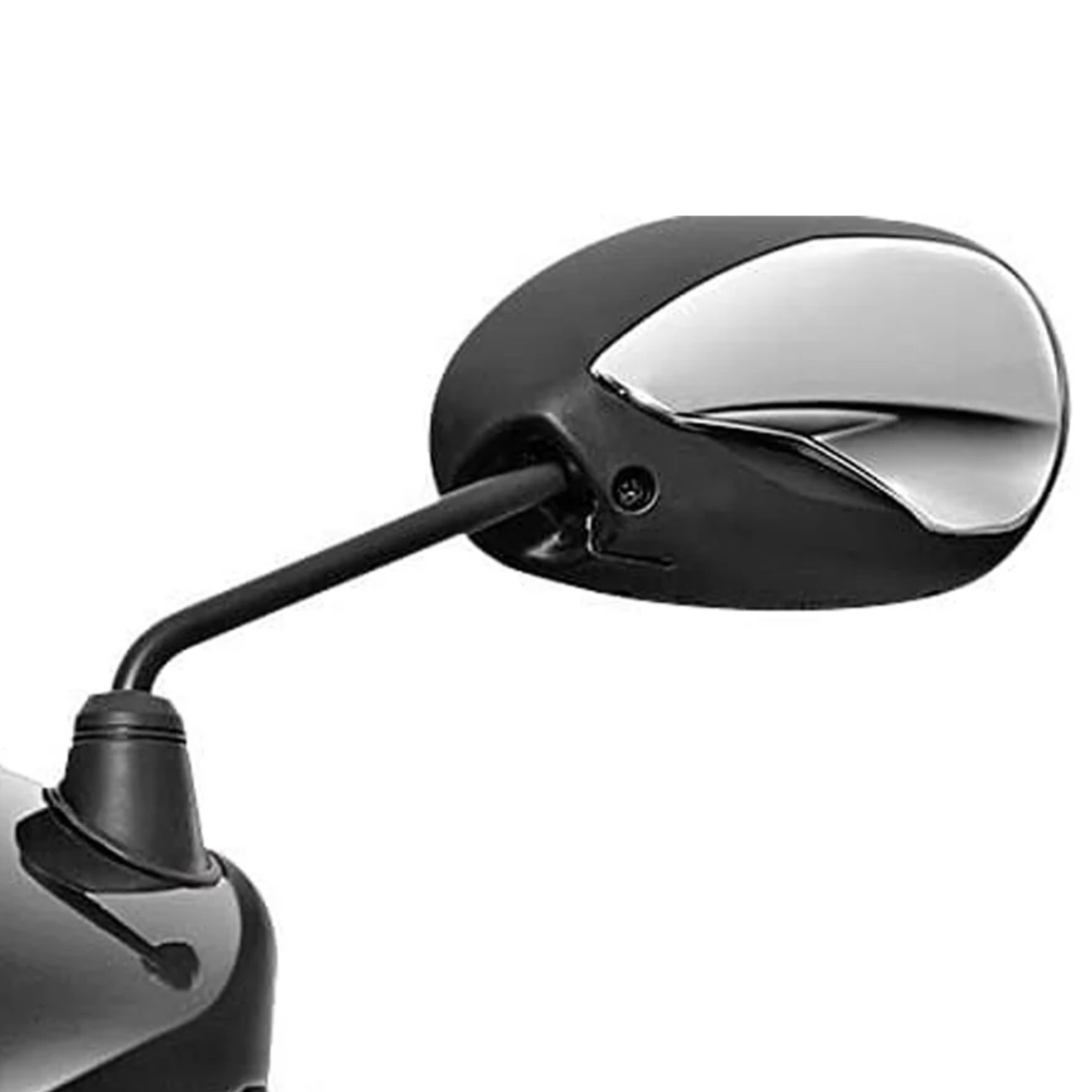
Carbon fiber is used in automotive manufacturing for its high strength( 5x of steel)-to-weight(1/5th of steel) ratio, making vehicles/parts lighter, more fuel-efficient, and better performing. It's incorporated into parts like chassis frame, sub frames, fenders, wheels, instrument panel, mirrors  etc to enhance performance, structural integrity, and crashworthiness. 

Finish

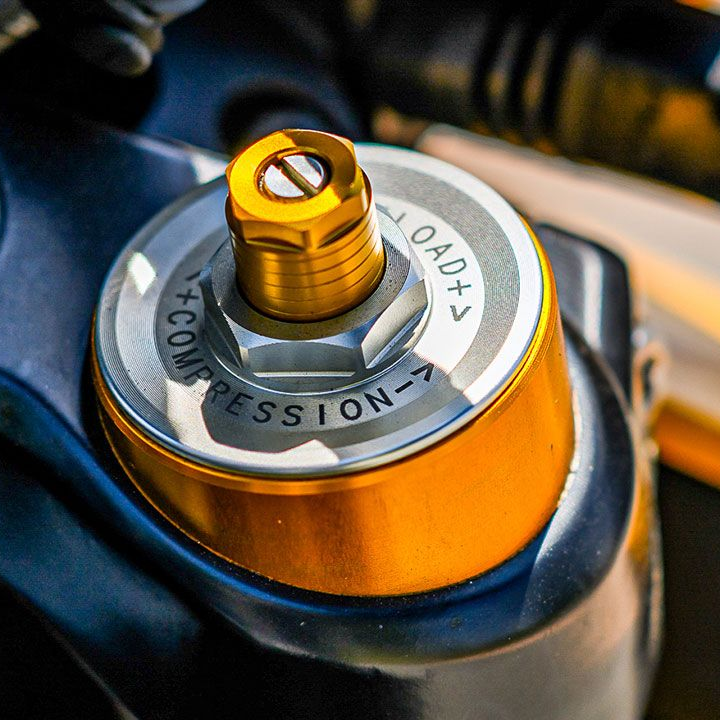
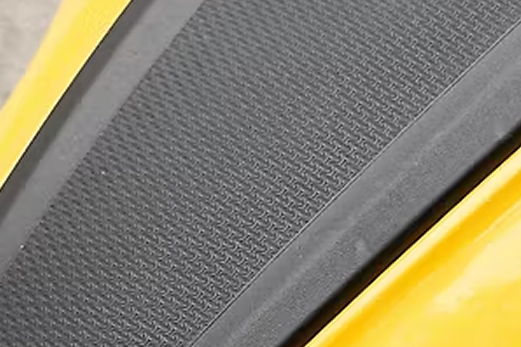
Finish refers to the surface treatment applied to materials, impacting their appearance, durability, and texture. Examples include high-gloss clear coats on bosy panels, matte textured plastics on an off-road vehicle, or the brushed metal effect on a muffler guard.

Finish is a critical element alongside color and material in creating a vehicle's overall look and feel, conveying brand identity, and influencing the user experience. 
Types of Finishes

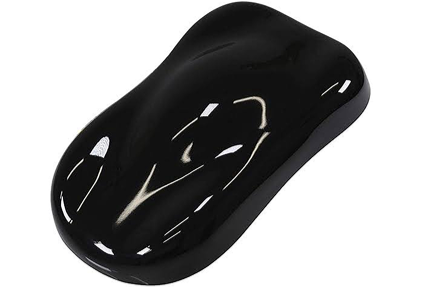
Gloss: Achieved with clear coats, this finish provides a shiny, reflective, and premium look.

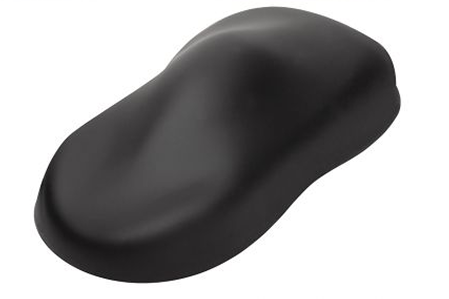
Matte: This provides a non-reflective, understated, and modern appearance. 

Textured: These finishes use a pattern to create a specific tactile feel and visual interest. 

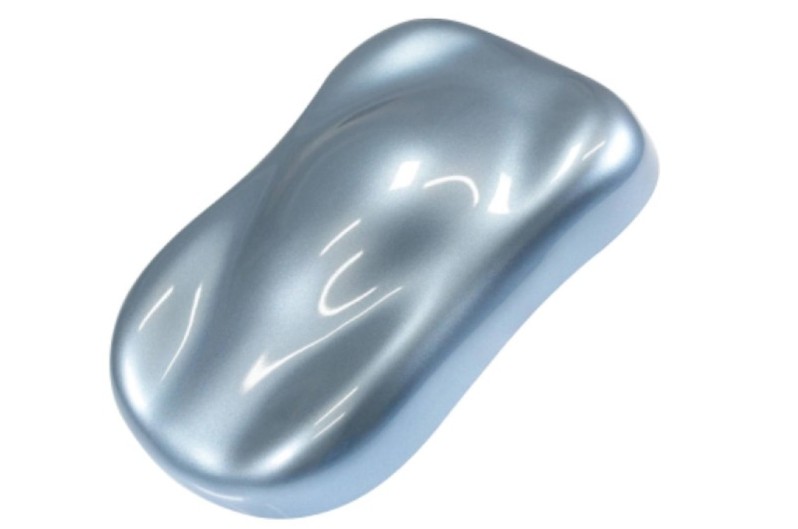
Metallic: This involves adding metallic flakes to a material or applying a metallic-effect coating to achieve a shiny, metal-like look without using actual metal.

Satin/Silk: A finish that is less reflective than high-gloss but more reflective than matte, creating a soft, elegant sheen.

Graphics

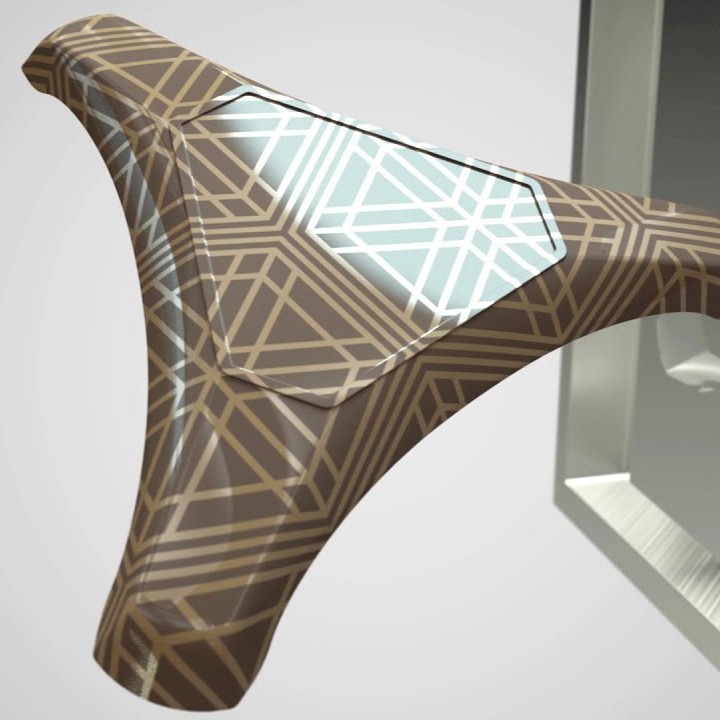
"Graphics" refer to the crucial visual communication elements like Decals, logos, color schemes, typography, and user interface (UI) details that define a physical product's brand, usability, and interaction, bridging the gap between the 2D (graphic) and 3D (product) worlds to ensure a cohesive and appealing user experience.
Decals

Automotive  decals are adhesive images, letters, or designs, often made from durable vinyl, applied to vehicles for branding (fleet graphics, advertising), decoration (personalization, racing liveries, custom looks), or function (window tinting, safety markings).

Influence of Vehicle types on CMF: 

Sportbikes

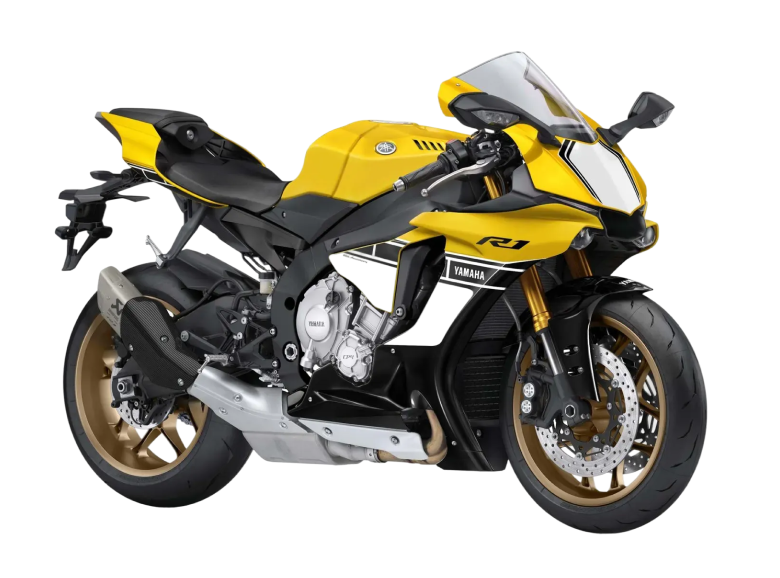
Focuses on high-performance aesthetics using lightweight materials like carbon fiber and aluminum. Finishes are often high-gloss with vibrant, saturated colors and graphics to convey speed and an adrenaline-fueled image. Gloss paint finishes also help in reducing the drag on the racing track which result in attaining of higher speeds

Cruisers

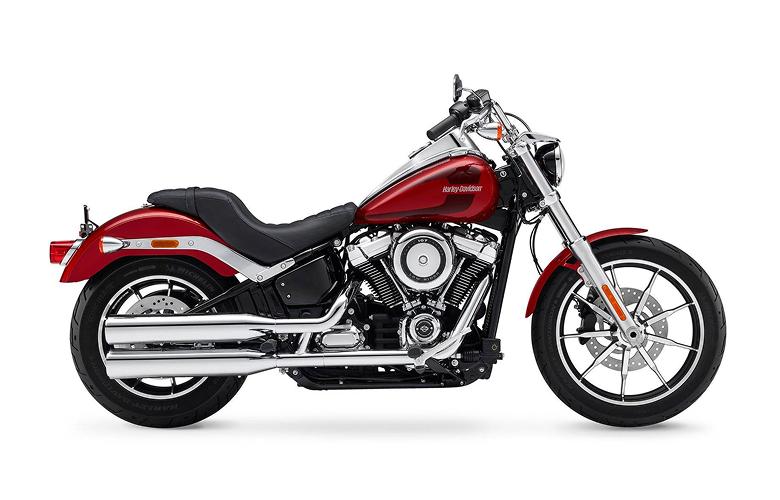
Emphasizes classic style and comfort. Chrome plating remains a key finish, often paired with deep, lustrous paint colors or romantic earth tones, to evoke a sense of tradition and luxury. Due to the hazardous nature of Chrome plating process, many sustainable paints are replacing the chrome in the recent times which also evokes a modernism trend in this segment.

Adventure/Off-road

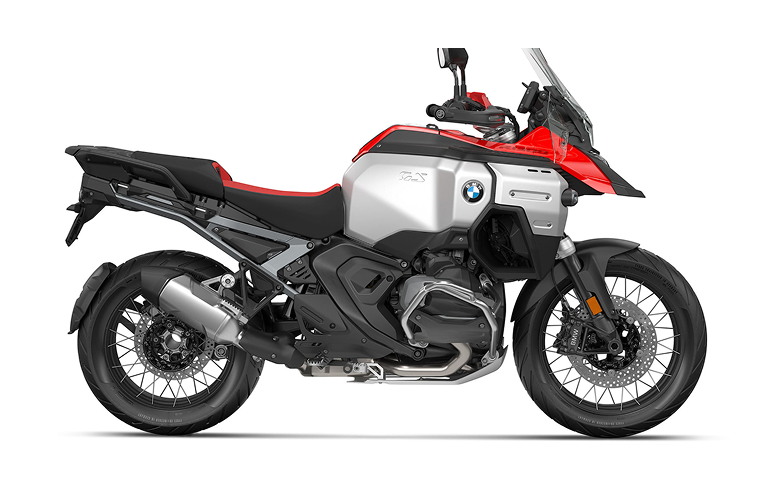
Prioritizes durability and practicality. Materials are rugged and built to withstand harsh conditions. Colors are often practical, and finishes are designed for longevity and ease of maintenance.
Electric scooters/motorcycles

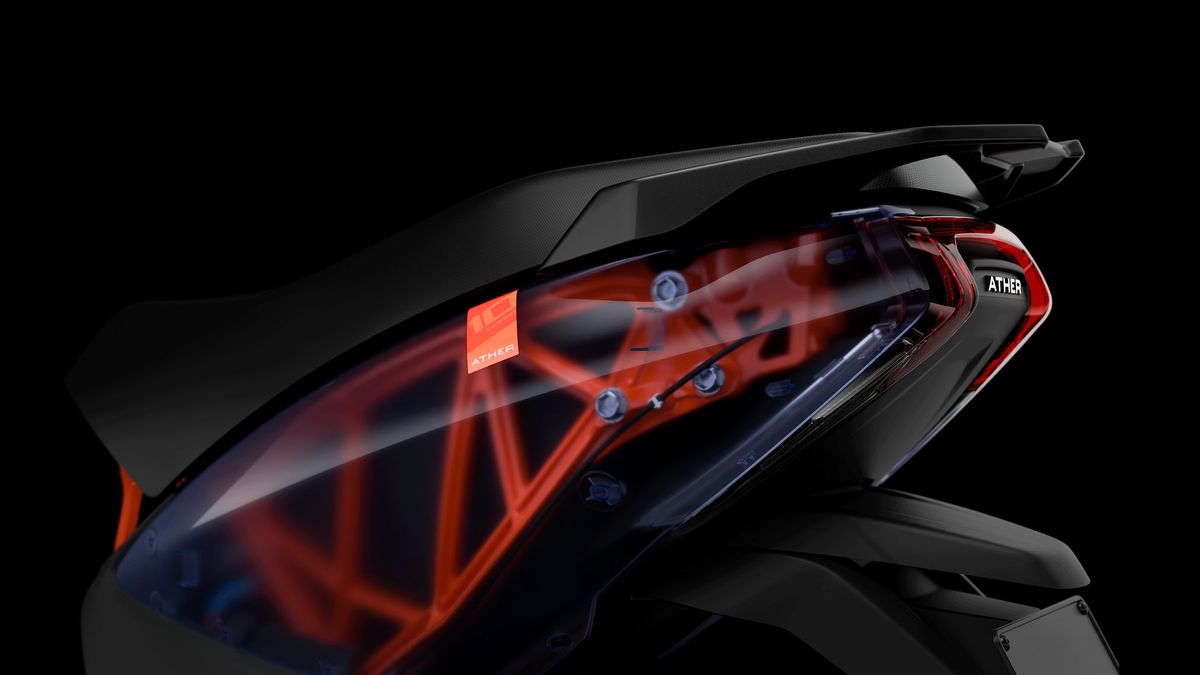
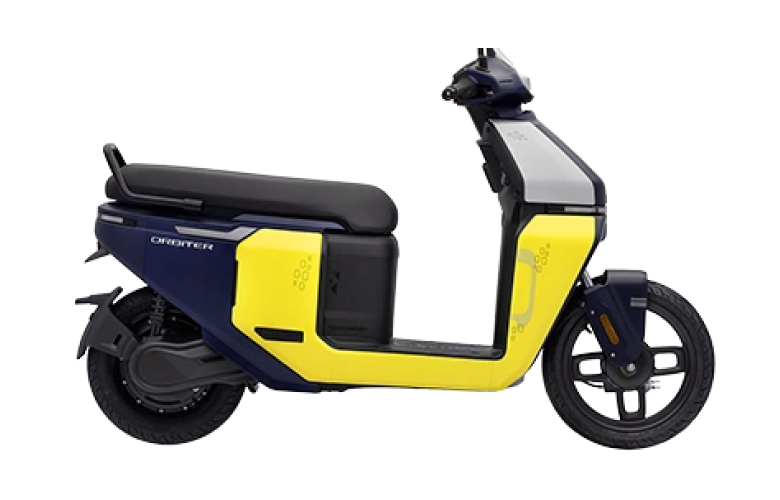
Early electric vehicles predominantly used soft gadget forms with simplicity as the theme and white colour to flaunt the cleanliness of environment due to zeroed emission but the current vehicles are colourful with xirallic, neon paints as well as the computer controlled multi colour illuminations

Processes influencing Finish

Though Paints and Pigmented plastics cover large area of CMF  in a two wheeler, there are a number of processes that influence the CMF of various parts, some of which are explained below

1. Automotive Wraps:

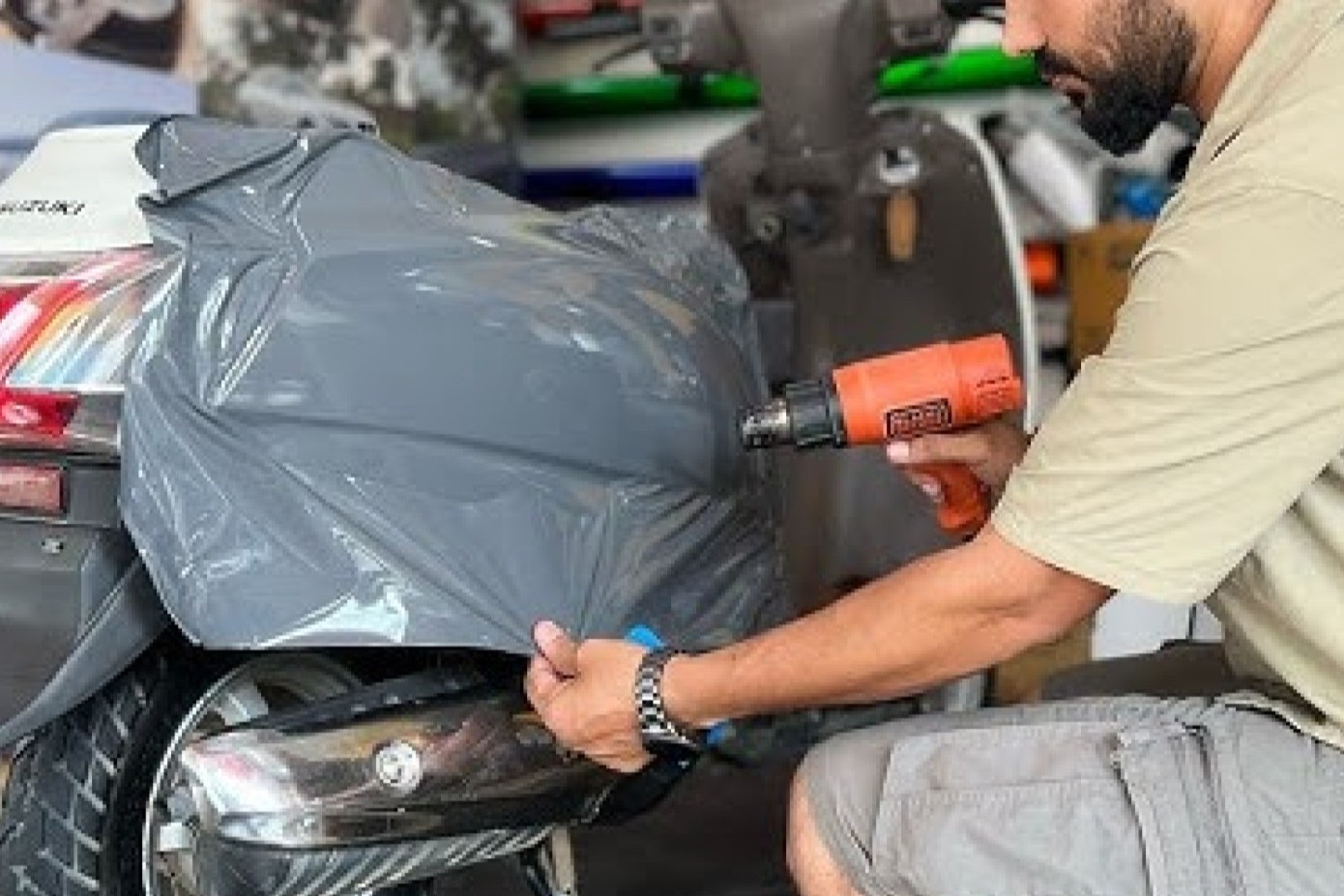
Automotive vinyl wrap is a thin, durable film applied over a vehicle's factory paint to change its color, add a protective layer, or create a custom design. Made from PVC, these wraps come in various finishes like matte, gloss, or satin, and can be removed without damaging the original paint. They offer a temporary and less expensive alternative to a custom paint job. 

2. Powder Coating:

Powder coating is a dry finishing process where electrostatically charged powder is applied to a grounded surface and then cured with heat to create a durable, protective finish. It is a more robust alternative to liquid paint and is used on a wide range of products, from automotive parts and appliances to outdoor furniture, because it provides resistance to scratches, corrosion, and fading.       

Image description
3. Anodizing:

Anodizing is an electrochemical process that converts the surface of a metal into a durable, corrosion-resistant finish by creating a thick oxide layer. This process, which works by making the part the anode in an electrolytic cell, increases the thickness of the metal's natural oxide layer and is used on metals like aluminum, titanium, and magnesium. The resulting finish is harder and more resistant to wear and corrosion than the base metal

4. Cubic Printing:

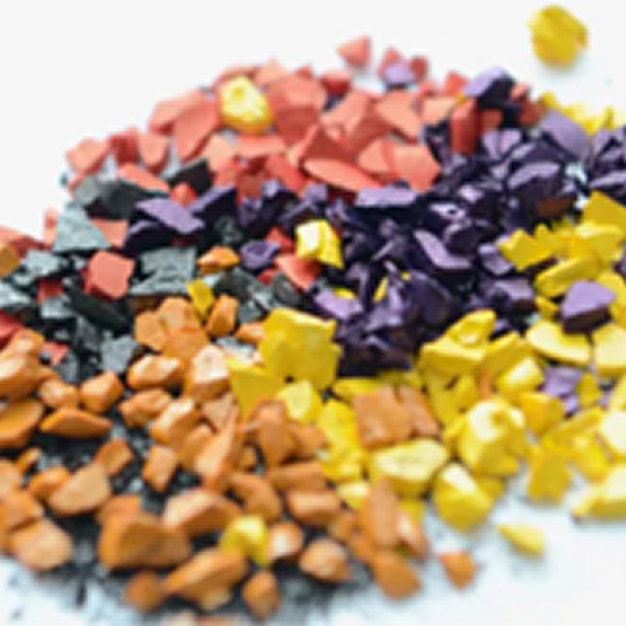
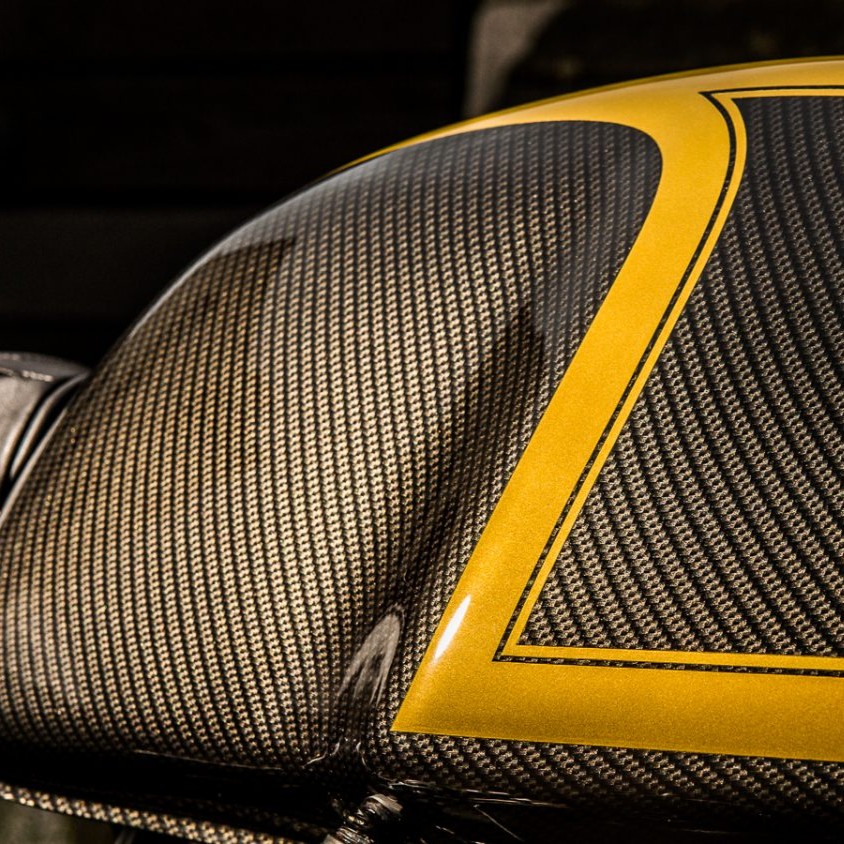
Cubic printing is a surface decoration technology also known as hydrographics or water transfer printing, which applies intricate designs to three-dimensional objects using water. It involves floating a water-soluble film printed with a pattern on water, activating the ink with a solution, and then dipping the object into the water to transfer the design. The process is used to decorate a variety of items like automotive parts, sporting goods, and electronics by coating complex shapes with patterns like wood grain or carbon fiber.  

5. Vacuum metalizing:

Vacuum metalizing is a process where a thin film of metal, like aluminum, is applied to a substrate within a vacuum chamber. The metal is heated until it evaporates, and the vapor then condenses onto the substrate's surface, creating a shiny, reflective, or functional coating. This process is used for decorative finishes on plastics and packaging, as well as functional applications like EMI shielding, reflective insulation, and corrosion resistance.
6. Hot Stamping: (In plastic)

Hot stamping is a printing and manufacturing process that uses heat and pressure to apply a thin foil to a surface, creating a permanent, decorative, or metallic effect. It is widely used for high-quality applications, such as Bezels on speedometer, Headlamp, Key fob, Logo, Chrome elements, Switch Covers etc.

Image description
7. In Mold Decoration

In-mold decoration (IMD) is a process that integrates graphics and colors into plastic parts during the injection molding process. A pre-printed film is placed inside the mold, which then fuses with the injected plastic to create a single, seamless, and durable part. This method is efficient because it combines decoration and molding in one step, eliminating the need for secondary operations like pad printing.    

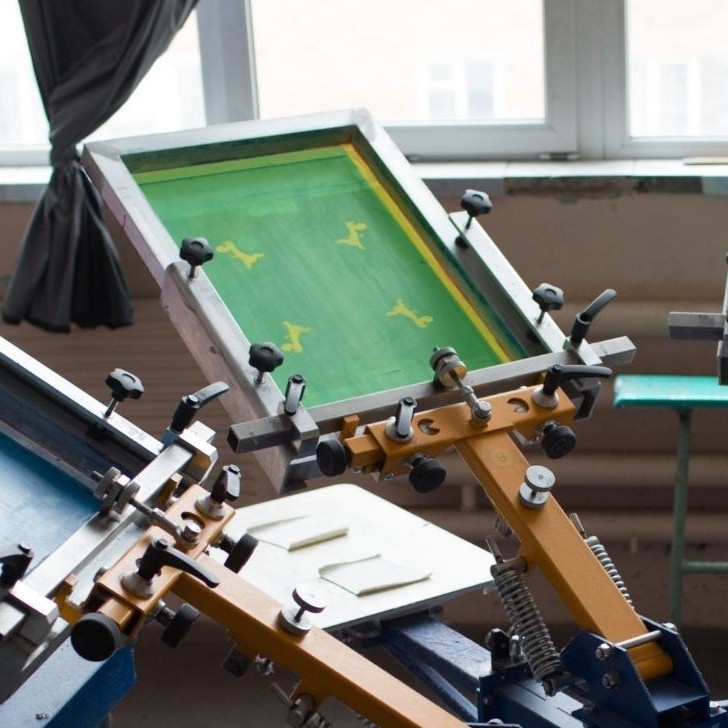
8. Screen Printing

Screen printing is a stencil-based printing method where a squeegee is used to force ink through a mesh screen onto a substrate, such as fabric, paper, or glass. Areas of the screen are blocked with a stencil, allowing ink to pass through only where the design is. The process is done one color at a time, which requires multiple screens for multi-colored designs.Most of the two wheeler body panel decals are made by this process.

Image description

Advanced topics on detailed CMF Design

Image description

Advanced CMF (Color, Material, Finish) design goes beyond basic aesthetics, strategically integrating sustainability, technology, personalization, and deep emotional connection into products, focusing on circular design, bio-materials, digital integration (DMIx), and sensory experiences to create lasting brand identity and user desire, moving from mere surface treatment to fundamental product strategy. It involves complex trend forecasting, data analysis, and cross-disciplinary knowledge (fashion, UI/UX, architecture) to craft holistic experiences, making CMF a core driver of innovation, not just an add-on.

Key Pillars of Advanced CMF

1. Sustainability & Circularity:
Designing for product life cycles, using recycled/renewable materials (bamboo, bio-leathers), and creating aesthetics that signal eco-consciousness.
2. Technology Integration:
Using digital tools (like DMIx) for accurate global color matching, integrating smart finishes, and exploring responsive materials. Personalization & Emotion: Crafting unique sensory journeys (touch, scent, sight) that build deep emotional bonds, moving beyond fleeting trends to timeless connection.
3. Strategic Foresight:
Deep trend research (social, cultural, technological) to anticipate future needs, informing both product development and marketing.
4. Data-Driven Intuition:
Combining rational data (sales, benchmarks) with informed intuition and sensory design to create replicable, yet inspiring, logic. 

The Future of CMF

Advanced CMF is shifting from a final touch to a foundational element, potentially even replacing form in digital-physical interfaces, requiring designers to be versatile, blending physical craft with digital strategies for a deeply connected, sustainable future. 
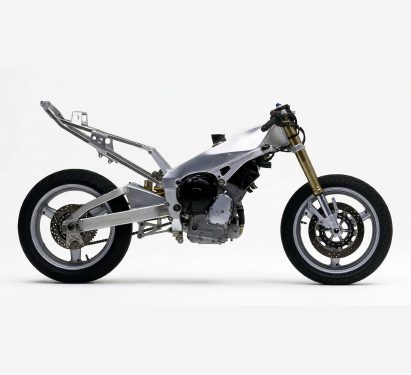
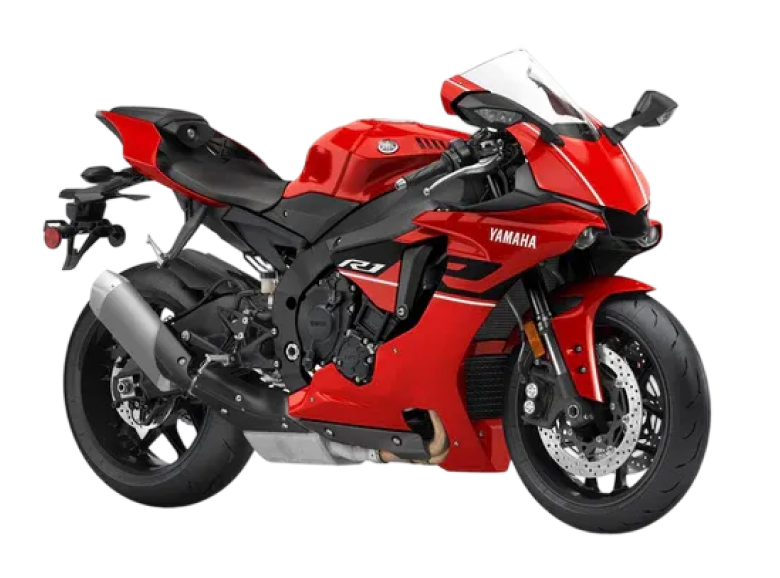
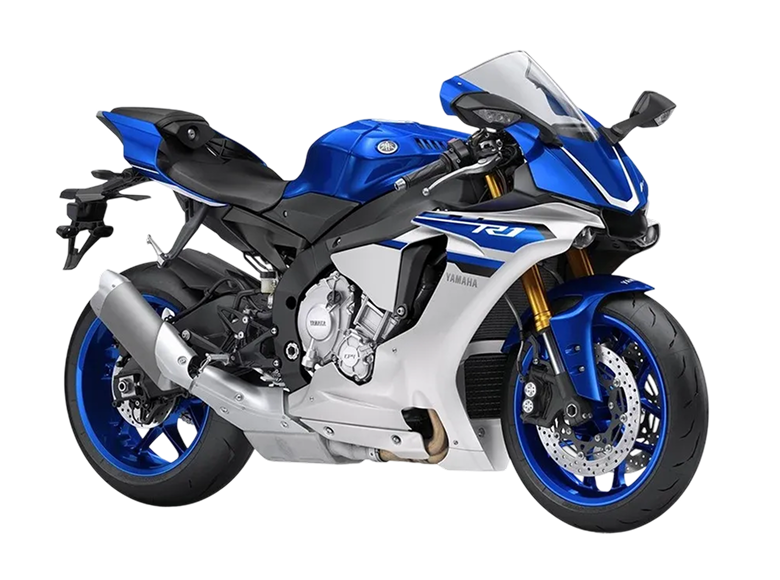
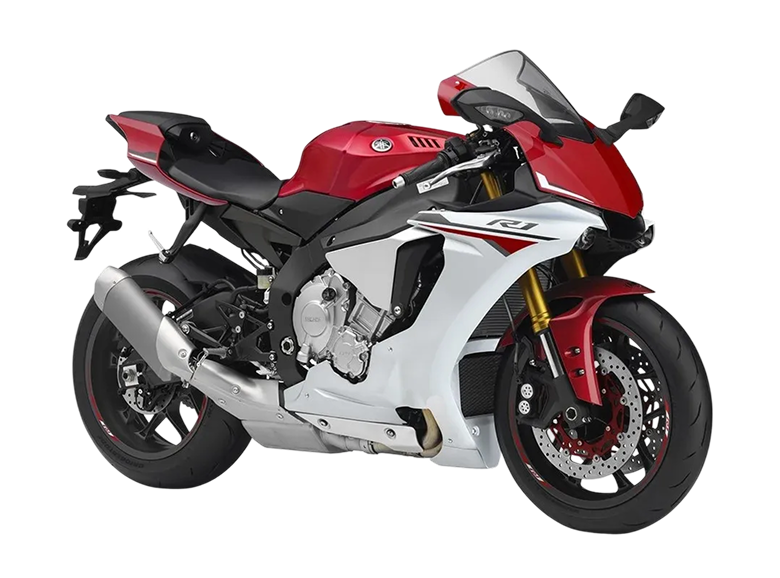
CMF application on Yamaha R1

yamaha 2
yamaha 1
yamaha 3
yamaha 04
Previous The Indian Marketplace: A Complex Crisscross of Opportunities
Next Evolution of the Motorised Two Wheeler
Color Material and Finish in Two Wheeler Design
Scroll to top