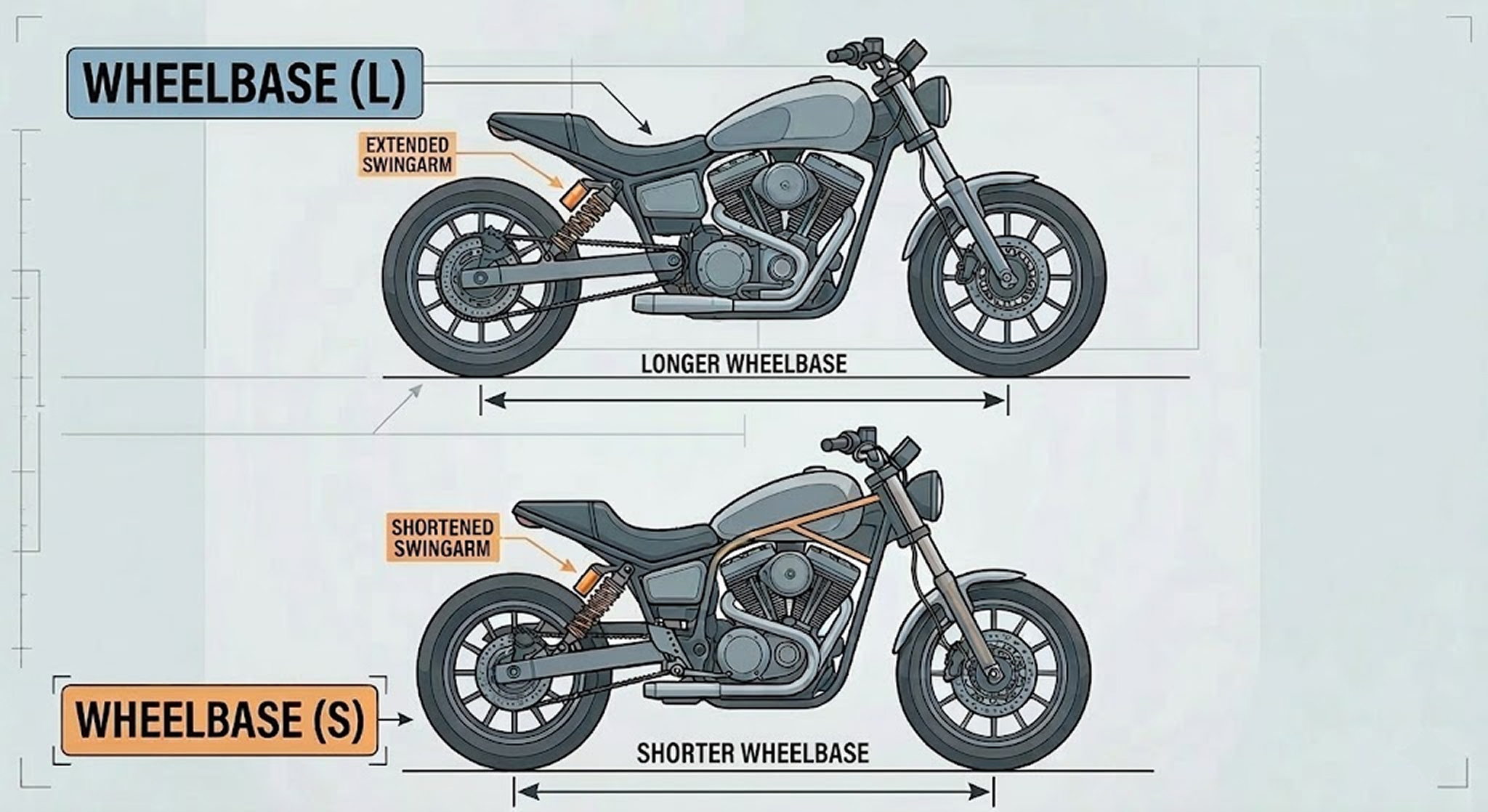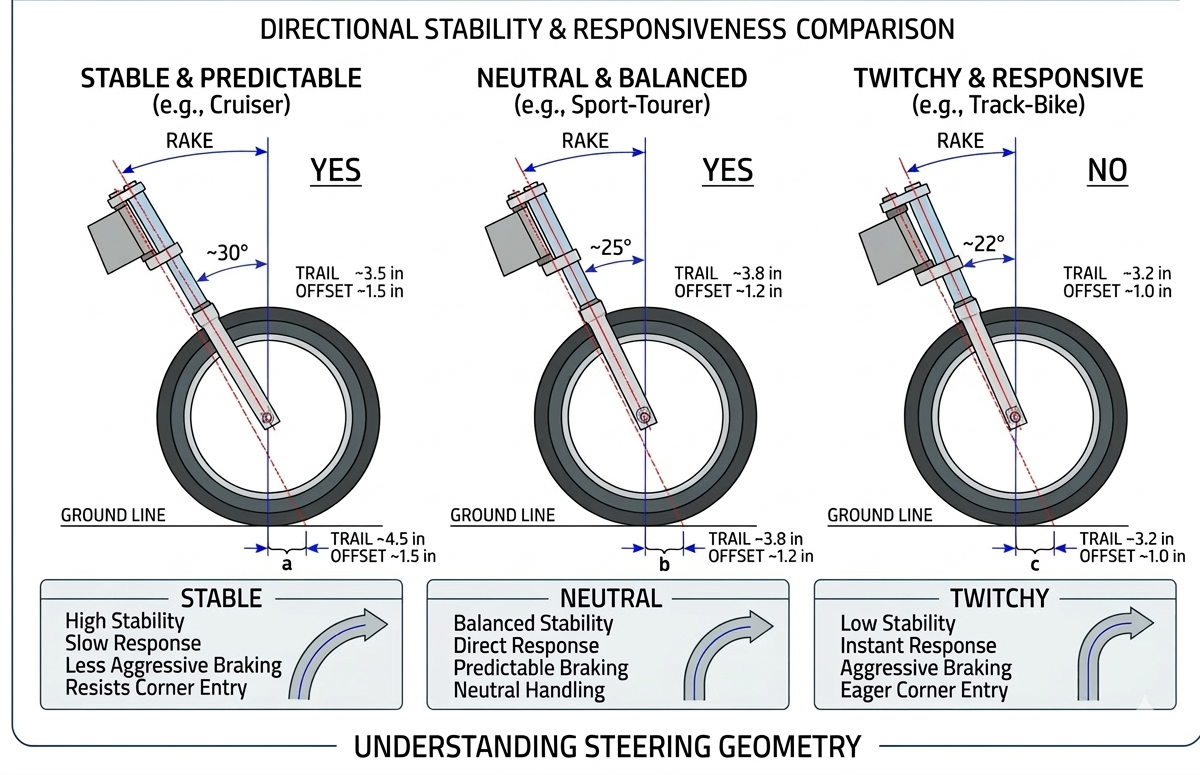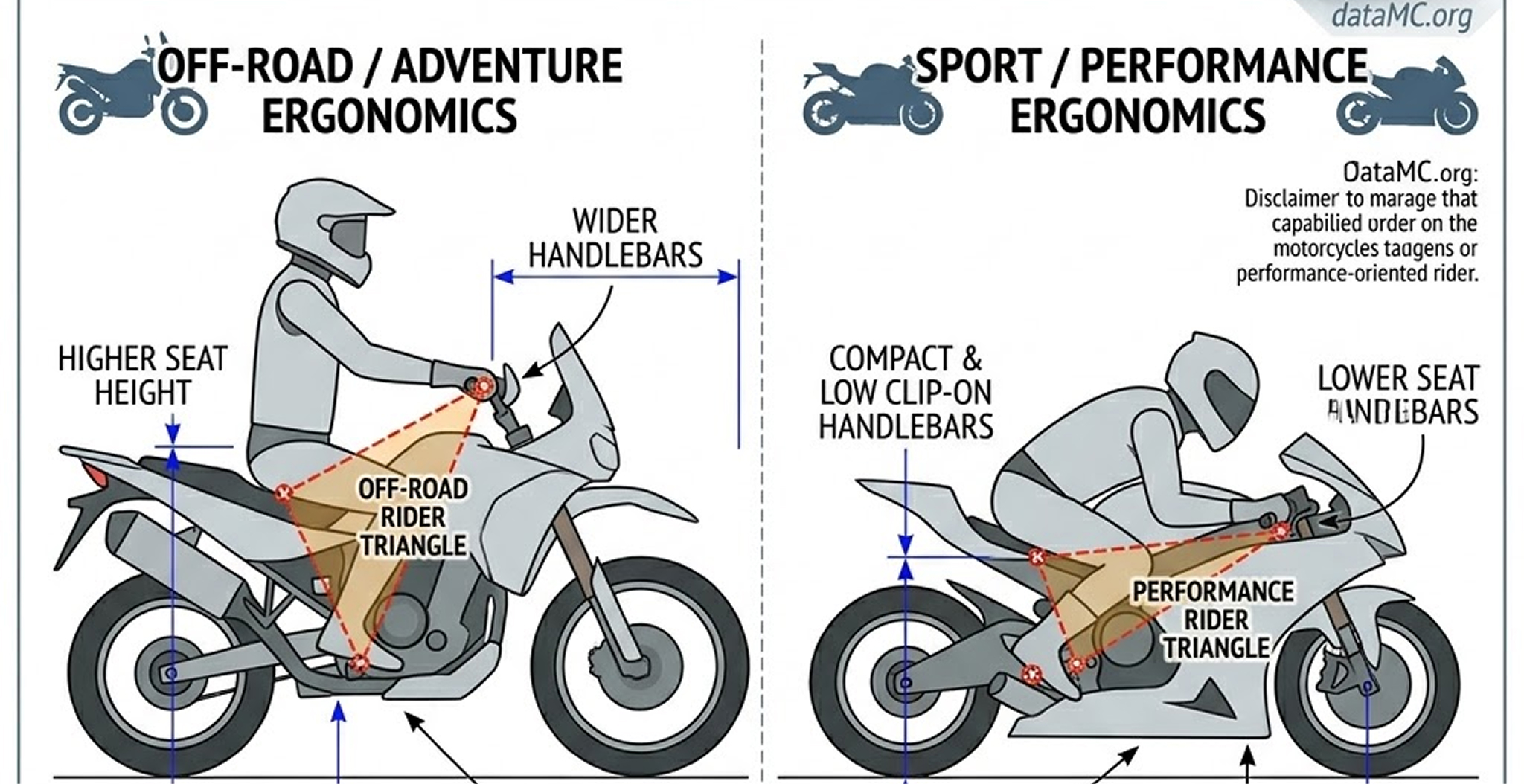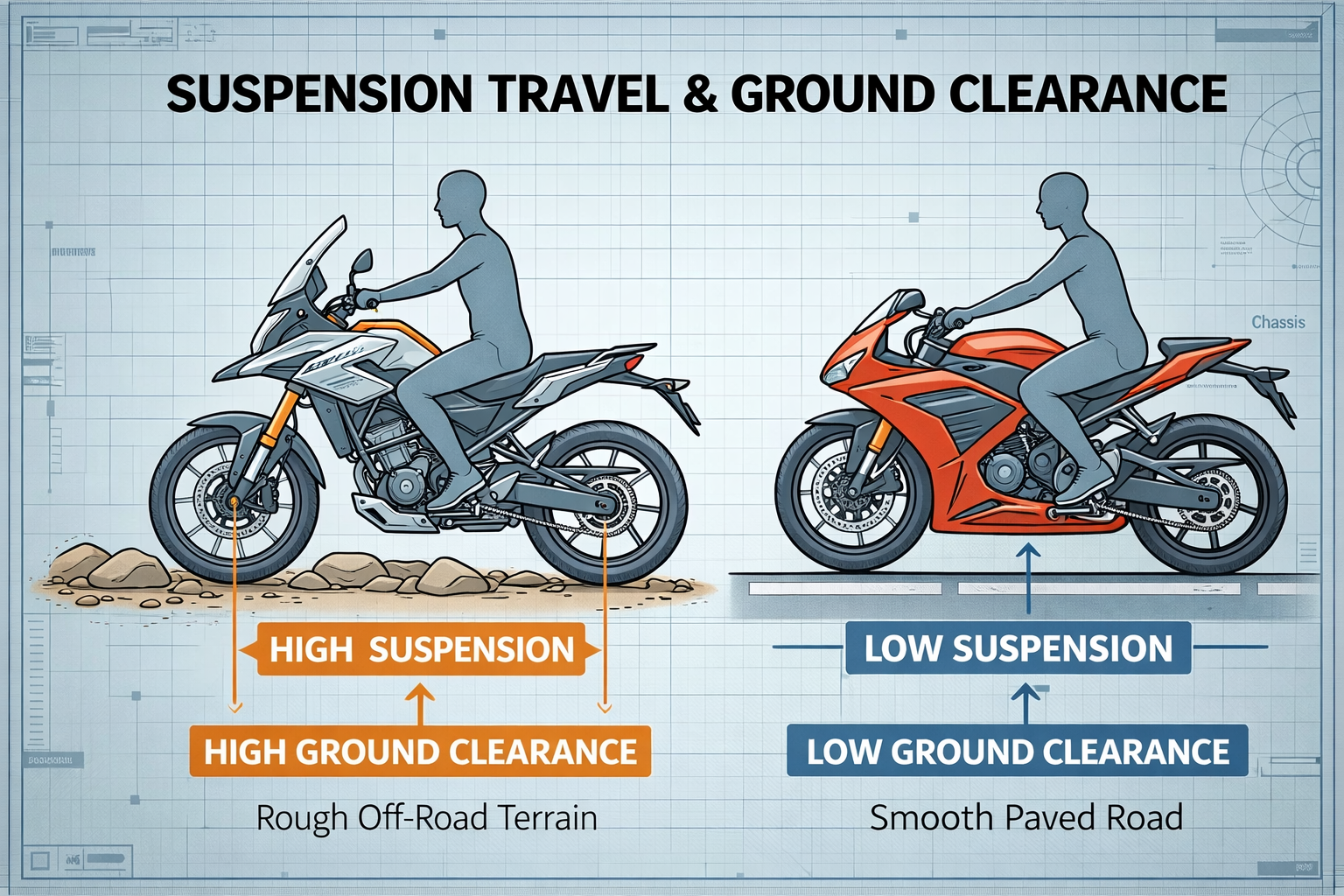
Vehicle stance refers to the overall posture, proportions, and geometric configuration of a two-wheeler, as well as the rider’s positioning in relation to it. Stance influences stability, comfort, maneuverability, and visual identity. Even without technical expertise, observers can distinguish between an upright commuter motorcycle and a low, forward-leaning sport motorcycle. These visible differences arise from engineering decisions that align with intended function.
For instance, the upright configuration of the Honda CB125F contrasts with the aerodynamic, performance-oriented stance of the Kawasaki Ninja ZX-6R. Each reflects a specific design objective and usage environment.
This article reframes vehicle stance by examining its structural foundations, evolution, technical components, and broader design implications within global and Indian contexts.